Oct 14, 2026Industry Insights
Commercial Outdoor Digital Signage Applications: Optimal Locations and Operation Best Practices
Commercial outdoor digital signage applications: prime placement strategies for shopping plazas, transportation hubs, theme parks, and pedestrian zones.
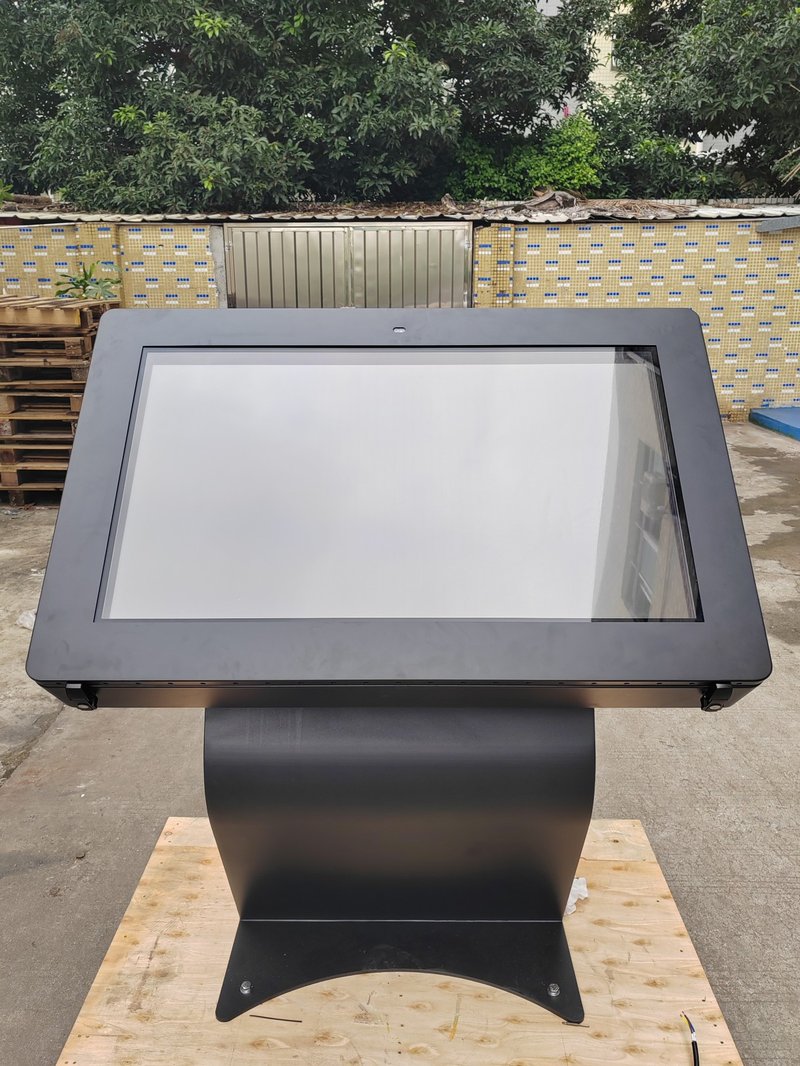
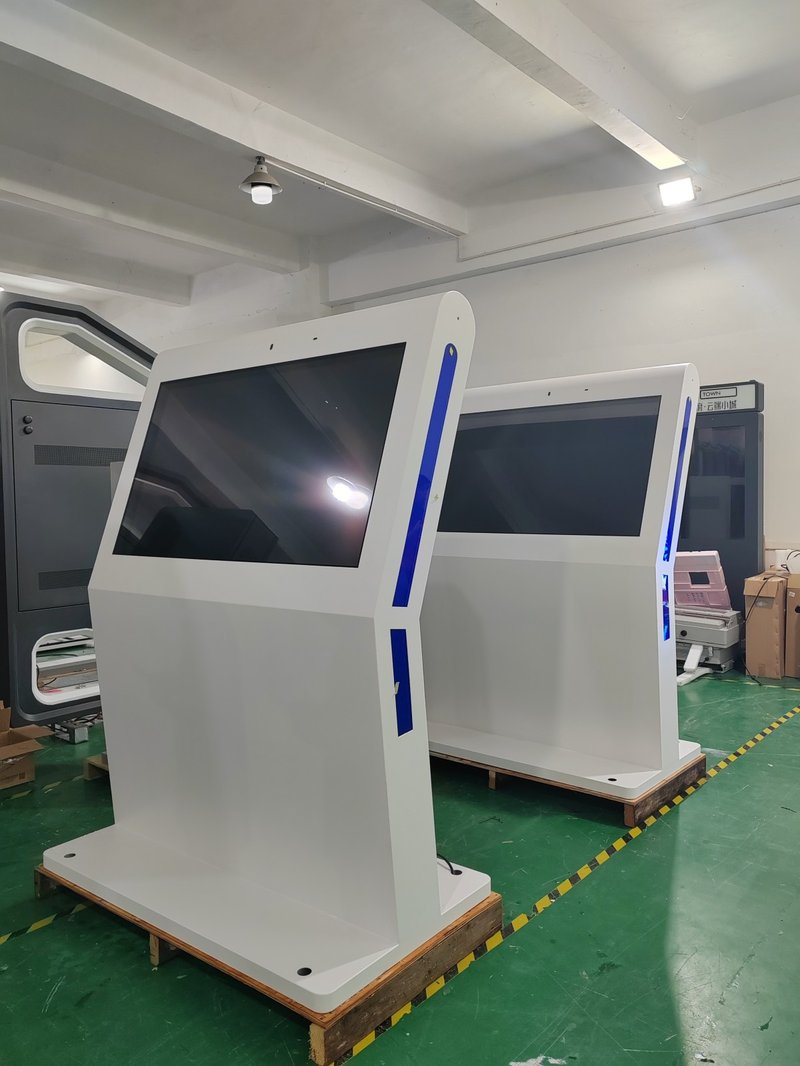
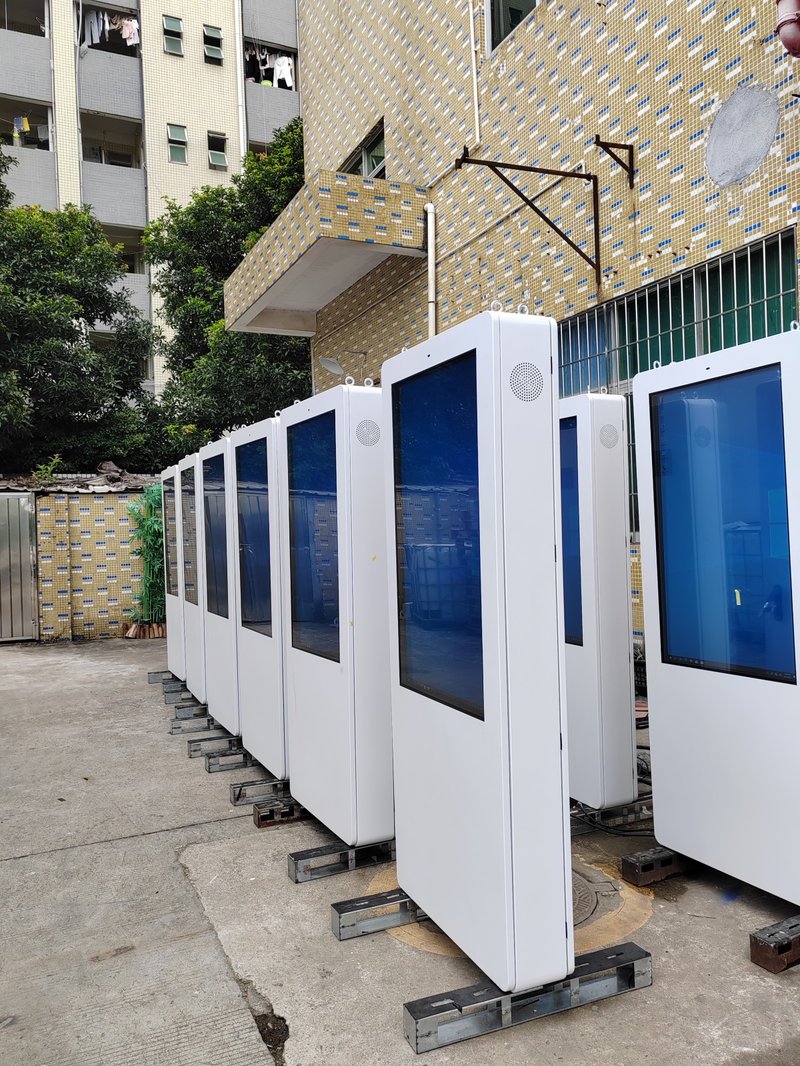
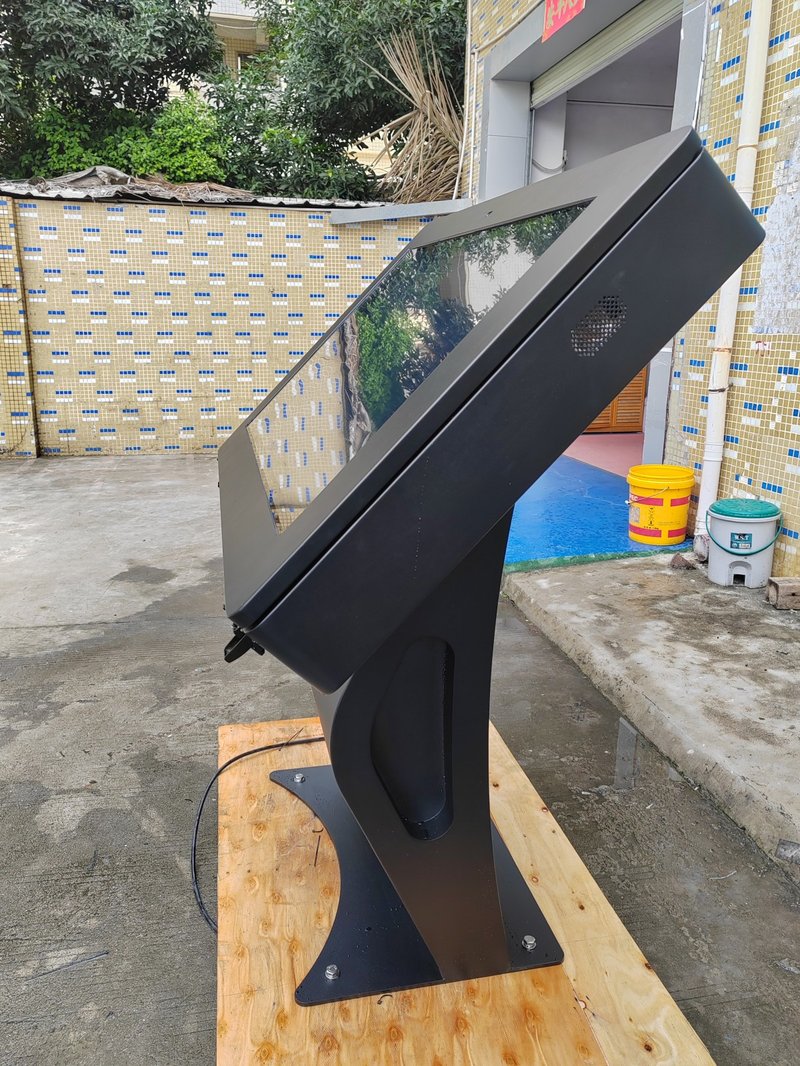
Deploying a high-performance Commercial Outdoor Digital Signage Applications provides commercial spaces and public venues with an all-weather digital display solution. An outdoor advertising kiosk is a digital commercial display system integrating commercial-grade LCD panels, embedded media control systems, network communication modules, and heavy-duty protective structural enclosures. Compared with traditional static billboards, outdoor advertising kiosks display dynamic multimedia content through high-definition images, videos, and motion graphics, while enabling real-time content updates tailored to marketing schedules. As a result, they have become vital equipment for commercial promotion and public communications.
With the surging demand for dynamic digital signage, outdoor advertising kiosks are widely deployed across pedestrian shopping boulevards, retail shopping complexes, transportation terminals, civic service centers, and cultural tourism attractions, offering unprecedented agility for modern communications.
Primary Application Scenarios for Outdoor Advertising Kiosks with a Commercial Outdoor Digital Signage Applications
In commercial and retail environments, outdoor advertising kiosks are extensively utilized across shopping plazas, lifestyle centers, commercial streets, and retail chain storefronts. By broadcasting brand introductions, promotional event alerts, and new product showcases, kiosks deliver intuitive and visually compelling brand messaging.
In the public transportation sector, outdoor digital kiosks are ubiquitous in subway entrance plazas, bus transit stations, airports, and railway concourses. In addition to commercial advertising, they serve as vital civic infrastructure for broadcasting real-time transit updates, passenger notices, and directional wayfinding, dramatically improving transit efficiency.
In commercial office towers and residential communities, outdoor kiosks are deployed for building directories, property management announcements, public advisories, and local neighborhood services. For public service institutions—such as hospitals, government administrative centers, museums, and exhibition halls—they function as indispensable self-service wayfinding and public information terminals.
Furthermore, in hospitality, dining, and outdoor entertainment venues, outdoor kiosks effectively showcase digital interactive menus, seasonal promotions, and entertainment schedules, helping patrons access critical information quickly and seamlessly.
Advantages of Outdoor Digital Kiosks over Traditional Signage
The defining characteristic of outdoor digital kiosks is unparalleled content agility. Traditional print signage requires manual, labor-intensive poster replacement, whereas digital signage networks allow administrators to adjust playlists remotely via centralized software, instantly aligning content with specific hours, seasonal themes, or immediate marketing campaigns.
Moreover, outdoor kiosks support rich multimedia formats—combining 4K video, dynamic imagery, scrolling text tickers, and audio—delivering vastly superior visual immersion and retention. In distributed multi-location rollouts, centralized cloud-based CMS software enables operators to manage hundreds of screens across diverse geographies from a single dashboard.
For commercial operators, this digital approach ensures timely messaging, maximizes advertising ROI, and opens innovative avenues for brand storytelling.
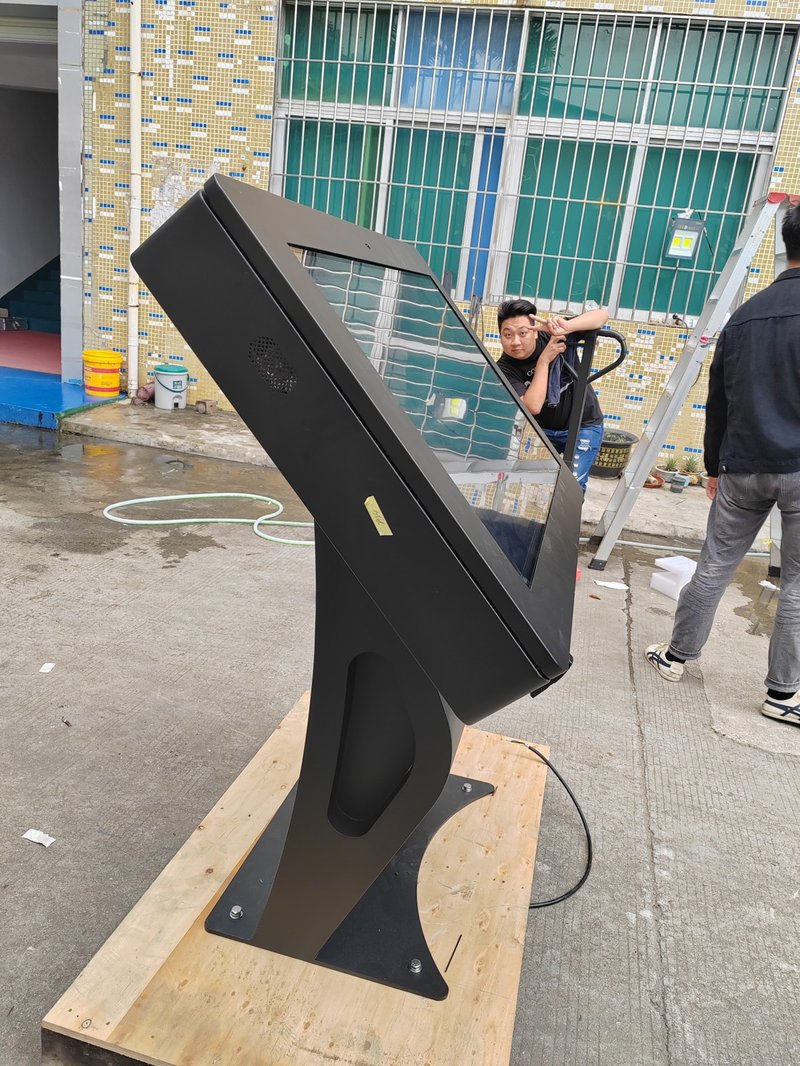
Critical Factors in Selecting Outdoor Advertising Kiosks
Because outdoor operating conditions are exponentially more rigorous than indoor environments, equipment environmental adaptability must be evaluated meticulously during specification.
First and foremost is optical display performance. Outdoor ambient sunlight varies drastically throughout the day. Outdoor kiosks must feature high brightness ratings (typically 1,500 to 2,500+ nits) and anti-glare (AG) / anti-reflective (AR) tempered glass to guarantee crystal-clear sunlight readability across all hours and weather conditions.
Second is ingress protection capability. Operating continuously amidst blowing dust, driving rain, and seasonal humidity, a kiosk's enclosure sealing, interface protection, and structural integrity determine its operating lifespan. Specifiers must choose appropriate ingress protection standards (e.g., IP55 or IP65) tailored to the local climate.
Thermal management architecture is another crucial engineering factor. High-brightness display panels and power supplies generate significant internal heat during non-stop operation. If thermal dissipation is inadequate, high internal temperatures will cause LCD panel blackening (isotropic failure) or component failure. The cooling design—whether forced-air cooling or industrial closed-loop air conditioning—must be matched to localized peak summer temperatures and direct solar heat gain.
For geographical zones characterized by severe seasonal extremes, wide operating temperature ranges (-30°C to +50°C) with built-in intelligent heating and cooling are essential to ensure uninterrupted four-season functionality.
Installation and Deployment Guidelines
The physical mounting location directly dictates visual coverage and the ambient operating environment. When choosing a deployment site, engineers must evaluate pedestrian flow direction, line-of-sight angles, optimal viewing distances, mounting heights, and surrounding environmental factors.
Structural anchoring integrity is equally paramount. Whether opting for wall-mounted or freestanding floor configurations, the structural load-bearing capacity of the mounting surface or foundation must be thoroughly certified. All anchoring hardware must be installed according to structural specifications to withstand extreme wind shears and external forces.
Electrical infrastructure is critical for reliable long-term service. Outdoor advertising kiosks must be connected to stable, code-compliant, and properly grounded power supplies. In areas prone to grid voltage fluctuations or lightning strikes, dedicated surge protection devices (SPDs) and voltage regulators should be deployed.
For seamless remote content updates, reliable network connectivity—via industrial-grade Ethernet, dual-band Wi-Fi, or 4G/5G cellular routers—must be established based on site infrastructure.
Routine Maintenance and Operational Care
To sustain peak performance over a multi-year lifecycle, outdoor kiosks require disciplined routine maintenance. Preventive care encompasses screen glass cleaning, enclosure integrity checks, ventilation intake cleaning, and operational telemetry monitoring.
When cleaning the display surface, use non-abrasive microfiber cloths and neutral cleaning solutions, avoiding coarse fabrics that could scratch the optical coatings. Never spray cleaning liquids directly onto bezel seams or ventilation grilles to prevent liquid ingress.
During daily operation, verify that thermal intake and exhaust vents remain completely unobstructed by leaves, debris, or dust buildup. If visual anomalies, display blackouts, or unusual noises occur, troubleshoot according to technical service documentation and dispatch qualified field technicians when internal repairs are required.
Regarding content management, broadcasts should be designed with high-contrast typography and clear layouts optimized for outdoor viewing distances, with scheduled content refreshes to maintain maximum audience engagement.
Summary
The ultimate effectiveness of an outdoor advertising kiosk depends not only on hardware quality, but equally on environmental suitability, disciplined installation, and structured long-term maintenance.
From selecting high-brightness panels, robust IP-rated enclosures, and optimized cooling architectures, to executing structural anchoring, power conditioning, and ongoing preventative care, each engineering phase directly influences operational reliability and commercial success.
ZXTLCD delivers commercial display hardware and custom engineering solutions tailored for retail marketing, smart city infrastructure, and outdoor public communications. Based on unique environmental conditions and branding goals, we provide rugged, sunlight-readable outdoor digital signage solutions engineered for uninterrupted clarity and performance. In conclusion, selecting a professional Commercial Outdoor Digital Signage Applications guarantees long-term operational stability, superior sunlight readability, and maximum commercial impact.
Looking for customized Commercial Outdoor Digital Signage Applications solutions, high-brightness outdoor digital signage kiosks, or weatherproof commercial displays? Feel free to contact the ZXTLCD engineering team for detailed technical specifications, mounting drawings, and volume pricing.