Oct 14, 2026Industry Insights
Digital Outdoor Signage vs Static Billboards: Eliminating the Hidden Costs of Traditional Media
Digital outdoor signage vs static billboards: eliminate recurring print costs, manual labor delays, and weather damage while boosting advertising revenue.
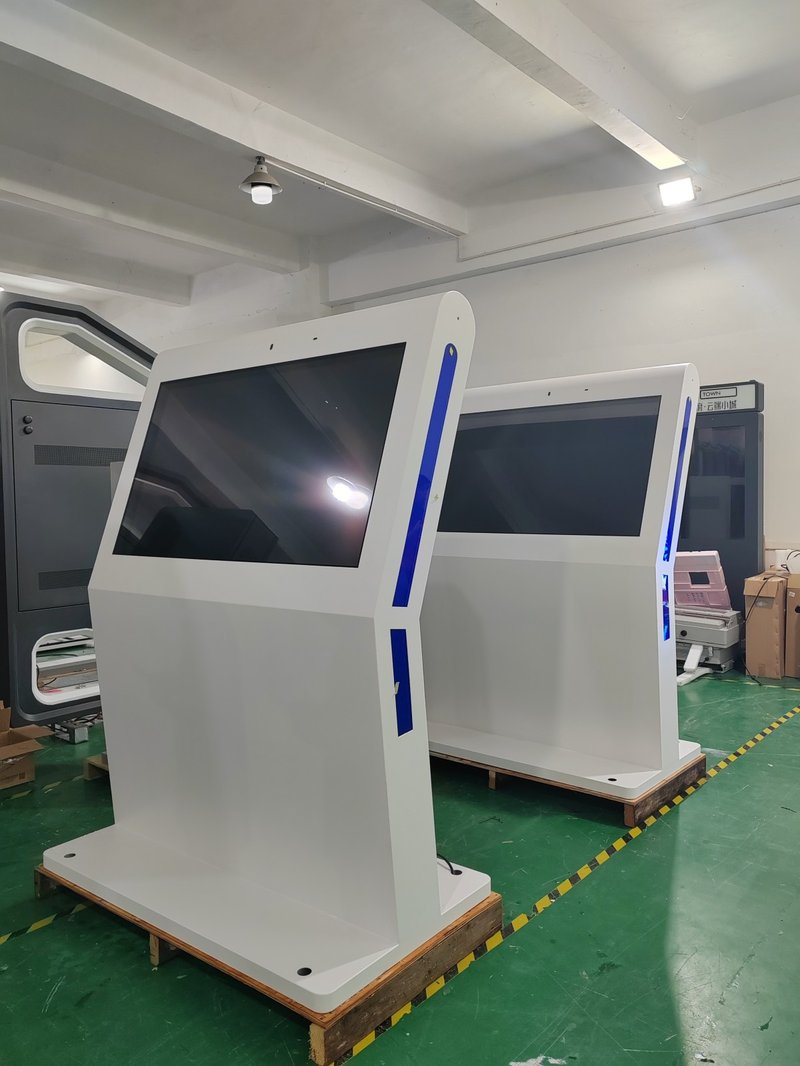
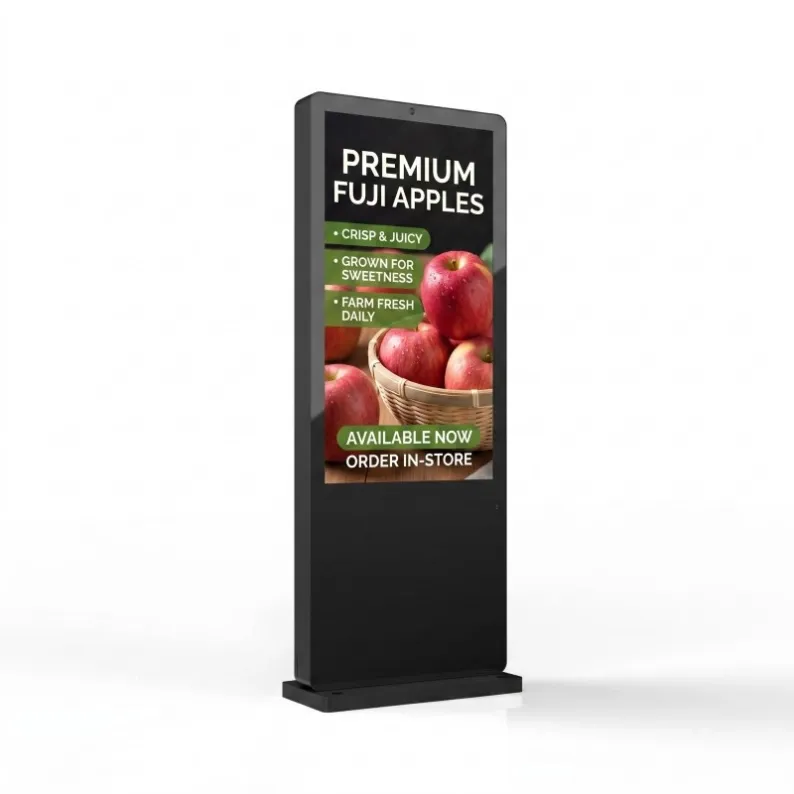
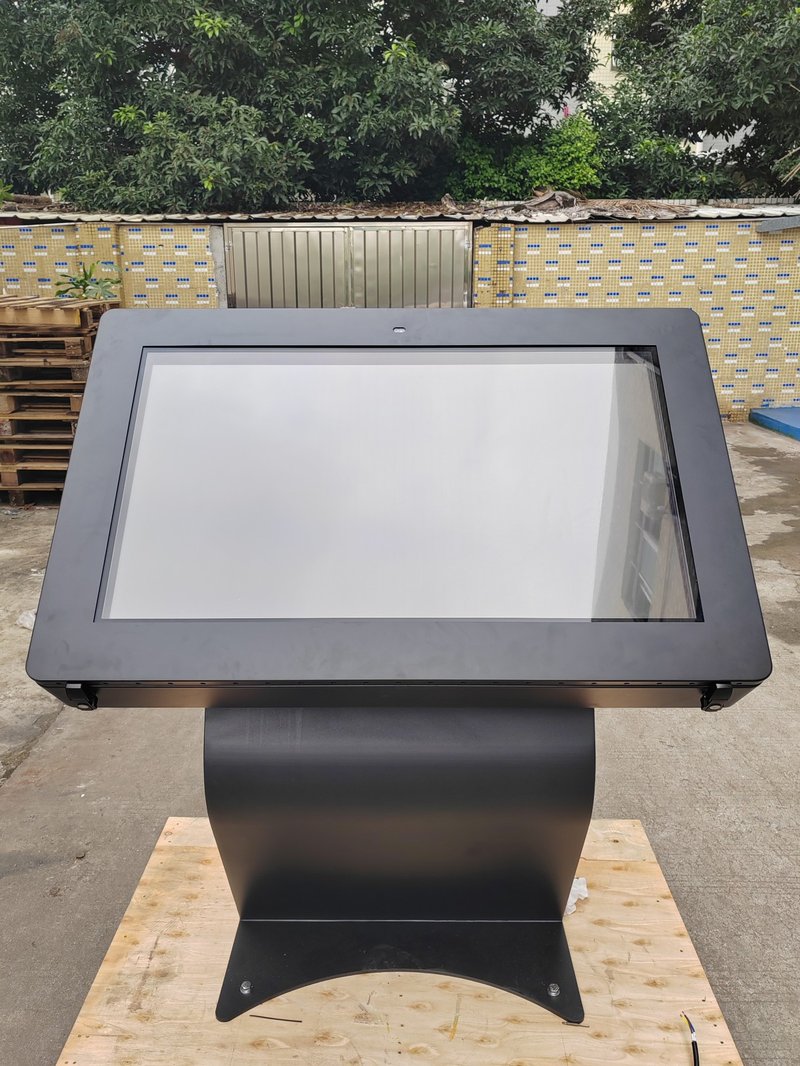
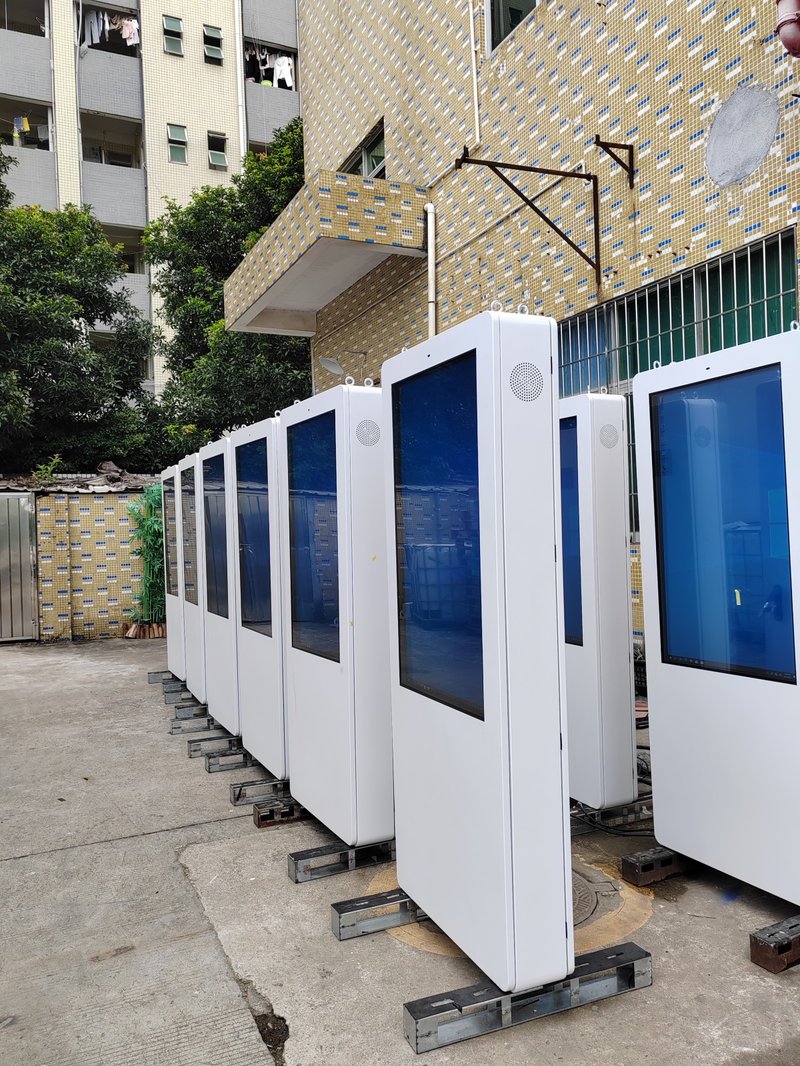
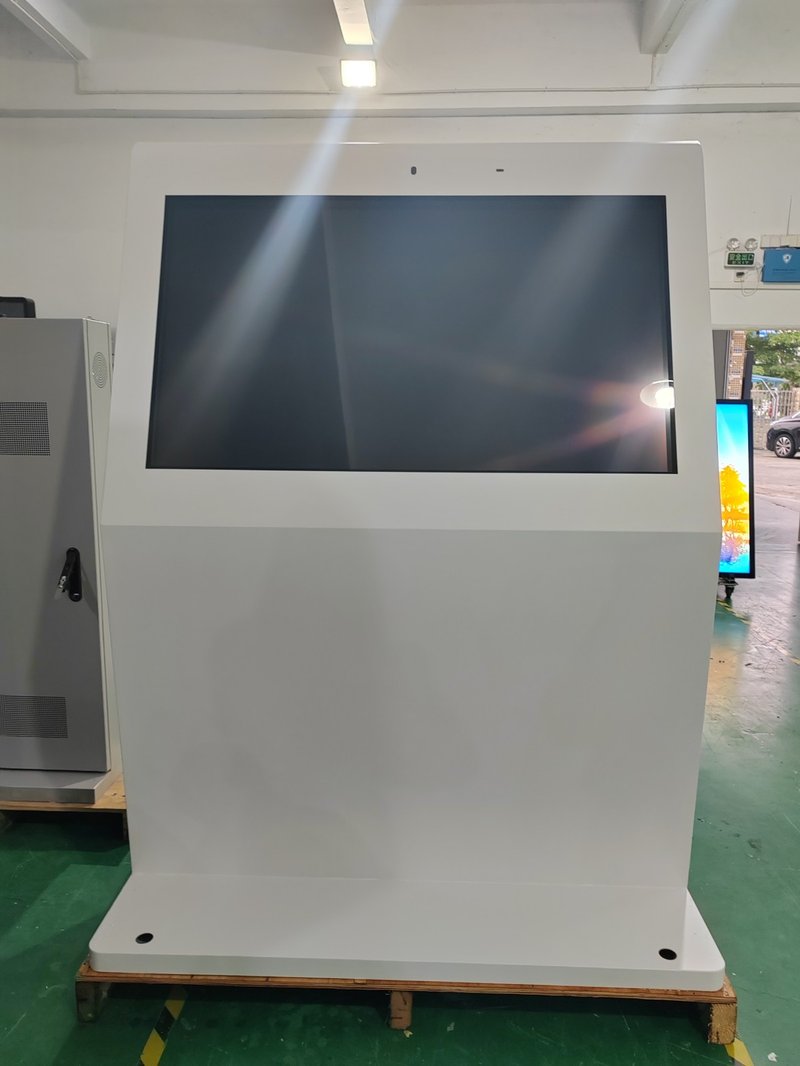
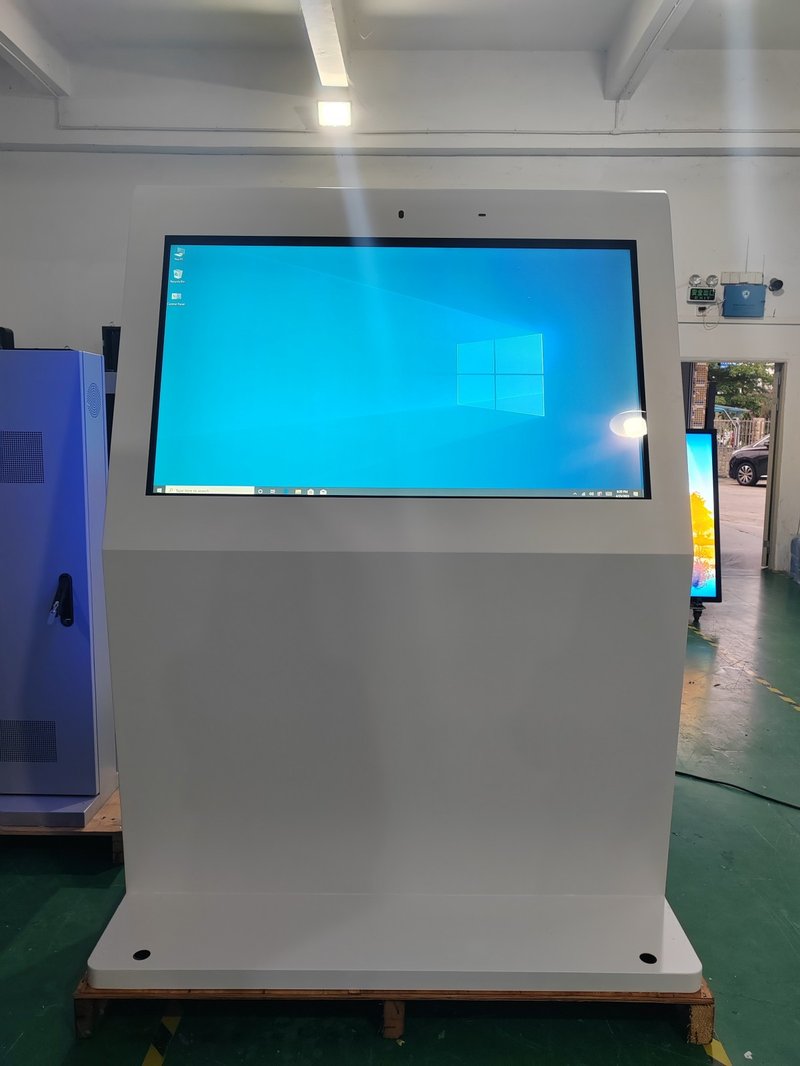
Deploying a high-performance Digital Outdoor Signage vs Static Billboards provides commercial spaces and public venues with an all-weather digital display solution. Outdoor billboards have long been an essential medium for commercial marketing. From shopping mall facades and highway billboard spots to retail storefront entrances, vast amounts of advertising messages are delivered to consumers through outdoor display assets.
However, as deployment durations extend, the hidden operational pain points and compounding expenses behind traditional static billboards have become increasingly apparent. Ongoing maintenance, cumbersome content replacements, environmental weathering, and labor-intensive management often turn into substantial financial and operational burdens over time.
Digital Outdoor Signage vs Static Billboards: 1. The Often-Overlooked Cost and Friction of Content Updates
One of the greatest limitations of traditional static billboards is their complete lack of content agility.
Whenever an enterprise needs to adjust promotional pricing, refresh brand campaign messaging, or adapt visuals for seasonal events, traditional print graphics require physical redesign, reprinting, transportation, and manual on-site replacement. This process not only consumes valuable turnaround time, but also incurs recurring material, printing, and labor costs.
In stark contrast, digital outdoor advertising kiosks and commercial displays empower operators to refresh multimedia playlists instantly through centralized cloud content management systems (CMS). Broadcasts can be scheduled by time of day, day of the week, or specific promotional events, unlocking unprecedented marketing flexibility and speed.
2. Mounting Maintenance Pressures from Harsh Outdoor Elements
Outdoor advertising equipment is permanently exposed to punishing environmental conditions, battling unrelenting solar radiation, torrential rain, airborne dust, and severe temperature fluctuations.
Standard or substandard display equipment deployed outdoors quickly exhibits issues such as washed-out screens under direct sunlight, degraded image contrast, internal dust contamination, or erratic system crashes. Consequently, purpose-built outdoor commercial displays must feature rigorous environmental engineering, including industrial ingress protection ratings (IP55/IP65), optimized thermal architectures, and heavy-duty, corrosion-resistant housings.
For advertising displays situated in high-foot-traffic commercial zones, rock-solid operational stability is even more critical. When a screen suffers blackouts, display artifacts, or intermittent failures, it not only compromises brand reputation and advertising revenue, but also escalates costly emergency field service dispatches.
3. Labor-Intensive Management Represents a Compounding Operational Overhead
Many commercial operators assume that once a billboard is installed, operational involvement is minimal. In reality, everyday operations require ongoing physical route inspections, manual poster swaps, structural integrity checks, and electrical servicing.
When an advertising network scales to dozens or hundreds of distributed display locations, manually inspecting each physical unit becomes operationally unfeasible and cost-prohibitive. Centralized digital signage management software solves this dilemma by providing real-time hardware telemetry—allowing network operators to monitor device health, diagnose faults, and push content updates remotely, dramatically slashing manual field labor.
4. Long-Term Power Consumption and Total Cost of Ownership (TCO)
Outdoor advertising displays operate over prolonged continuous daily schedules, where screen brightness, running hours, and internal hardware configurations directly determine electrical consumption.
When evaluating outdoor advertising display assets, decision-makers must look beyond initial acquisition costs to analyze the total cost of ownership (TCO)—encompassing long-term energy efficiency, operational reliability, and ease of field serviceability. Engineering features such as intelligent ambient light sensors (which automatically dim screens at dusk and brighten them under direct sunlight) significantly curb unnecessary power waste and reduce cumulative operational expenses.
5. How to Eliminate the Long-Term Burdens of Outdoor Advertising
When transitioning to outdoor digital signage, enterprises must analyze specific application scenarios rather than focusing strictly on screen diagonal size and basic exterior styling.
Comprehensive preliminary engineering evaluations must assess ambient light levels, viewer line-of-sight and distances, required screen nit ratings, enclosure weatherproofing, content scheduling workflows, and physical maintenance access.
For brands and venue operators seeking long-term commercial value, deploying reliable, industrial-grade outdoor digital display solutions eliminates the headaches of frequent manual maintenance while providing dynamic, high-impact marketing versatility.
FAQ
Q1: Why do traditional outdoor billboards require frequent, costly content replacements?
Traditional billboards rely on physical print materials (vinyl, paper, canvas). Whenever marketing campaigns, product specs, or seasonal branding evolve, entirely new graphics must be produced, shipped, and manually mounted on site.
Q2: Can outdoor commercial digital displays operate reliably around the clock in all weather?
Purpose-built outdoor digital displays are engineered with heavy-duty weatherproofing, active thermal cooling, and sunlight-readable panels. However, specific deployments must still be engineered according to regional climate extremes, ambient temperatures, and duty cycle requirements.
Q3: How do digital outdoor displays reduce manual management costs?
Through centralized cloud-based content management platforms, operators can broadcast playlist updates, schedule power timers, and monitor system health across multiple display points simultaneously from a single console, eliminating physical site visits.
Q4: What are the most vital factors to consider when selecting outdoor advertising displays?
Beyond resolution and visual impact, critical evaluation criteria include enclosure ingress protection (IP ratings), all-weather operating stability, intelligent thermal management, power efficiency, and remote fleet management capabilities. In conclusion, selecting a professional Digital Outdoor Signage vs Static Billboards guarantees long-term operational stability, superior sunlight readability, and maximum commercial impact.
Looking for customized Digital Outdoor Signage vs Static Billboards solutions, high-brightness outdoor digital signage kiosks, or weatherproof commercial displays? Feel free to contact the ZXTLCD engineering team for detailed technical specifications, mounting drawings, and volume pricing.