Aug 28, 2026Buying Guides
Energy Efficient Digital Signage Without Sacrificing Outdoor Readability
Reduce outdoor display energy use through brightness scheduling, thermal efficiency, content strategy and measured operating data.
Energy Efficient Digital Signage Without Sacrificing Outdoor Readability
Outdoor display energy use comes from backlighting, controllers, cooling or refrigeration and standby components. Efficiency cannot mean permanently lowering brightness until daylight readability is lost, nor shortening operation without considering public information needs. A better approach manages output according to ambient light, traffic, content and temperature, then verifies the result with measured data. The energy efficient digital signage plan should define a measurable starting condition.
Build an Energy Baseline First
Record power, brightness, internal temperature and operating state across different periods, separating display, control and thermal loads where possible. A monthly bill alone cannot identify which change worked. The baseline should include representative sunny, cloudy, night and hot conditions for fair comparison.
Retain before-and-after data and rollback for every adjustment so efficiency does not damage readability or stability. Complete an actionable result for build an energy baseline first before changing several other conditions at once.
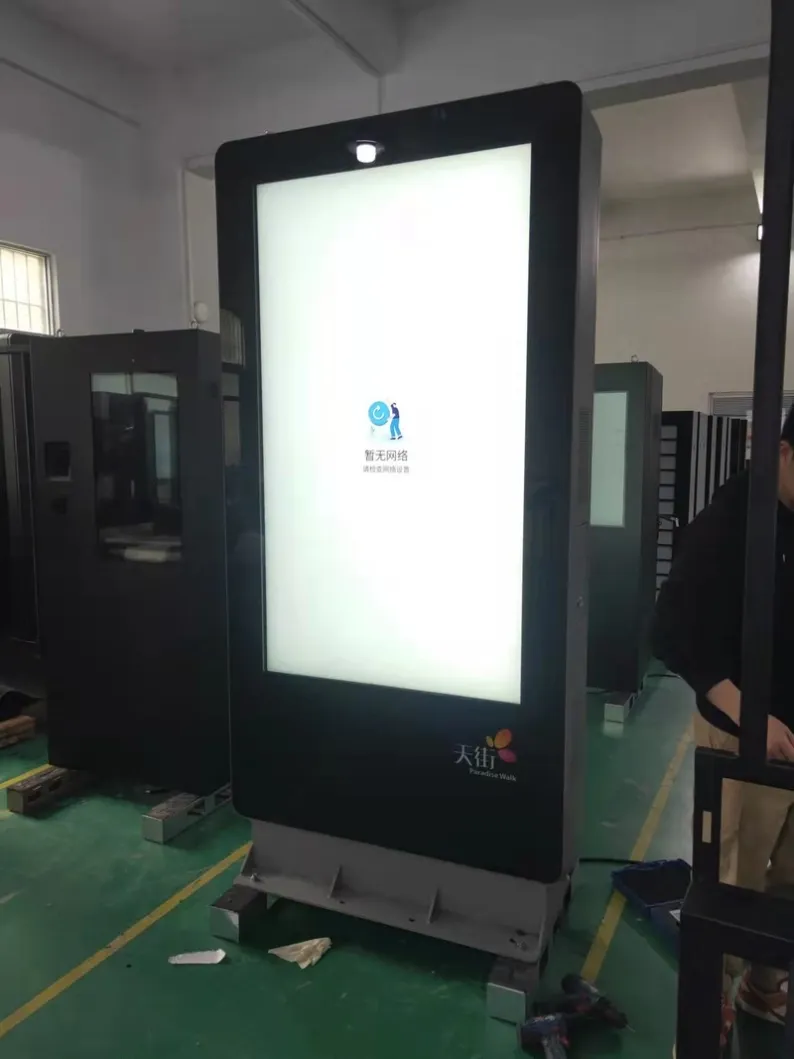
Automatic Dimming Needs a Readability Boundary
Ambient-light sensing can reduce output on cloudy days, evenings and nights, but sensor position, cleanliness and control curves must be correct. A blocked or inaccurate sensor can make daytime content too dim and night output excessive. Set the lower boundary through site viewing tests, not by pursuing the smallest power number.
Retain before-and-after data and rollback for every adjustment so efficiency does not damage readability or stability. Complete an actionable result for automatic dimming needs a readability boundary before changing several other conditions at once.
Match Operating Hours to Real Traffic
Not every site needs the same state all day. Use business hours, traffic peaks, public-information duties and safety rules to schedule start-up, normal playback, reduced output or standby. Account for time zones, holidays and temporary events, retaining remote checks so a schedule error does not turn the display off when it is needed.
Retain before-and-after data and rollback for every adjustment so efficiency does not damage readability or stability. Complete an actionable result for match operating hours to real traffic before changing several other conditions at once.
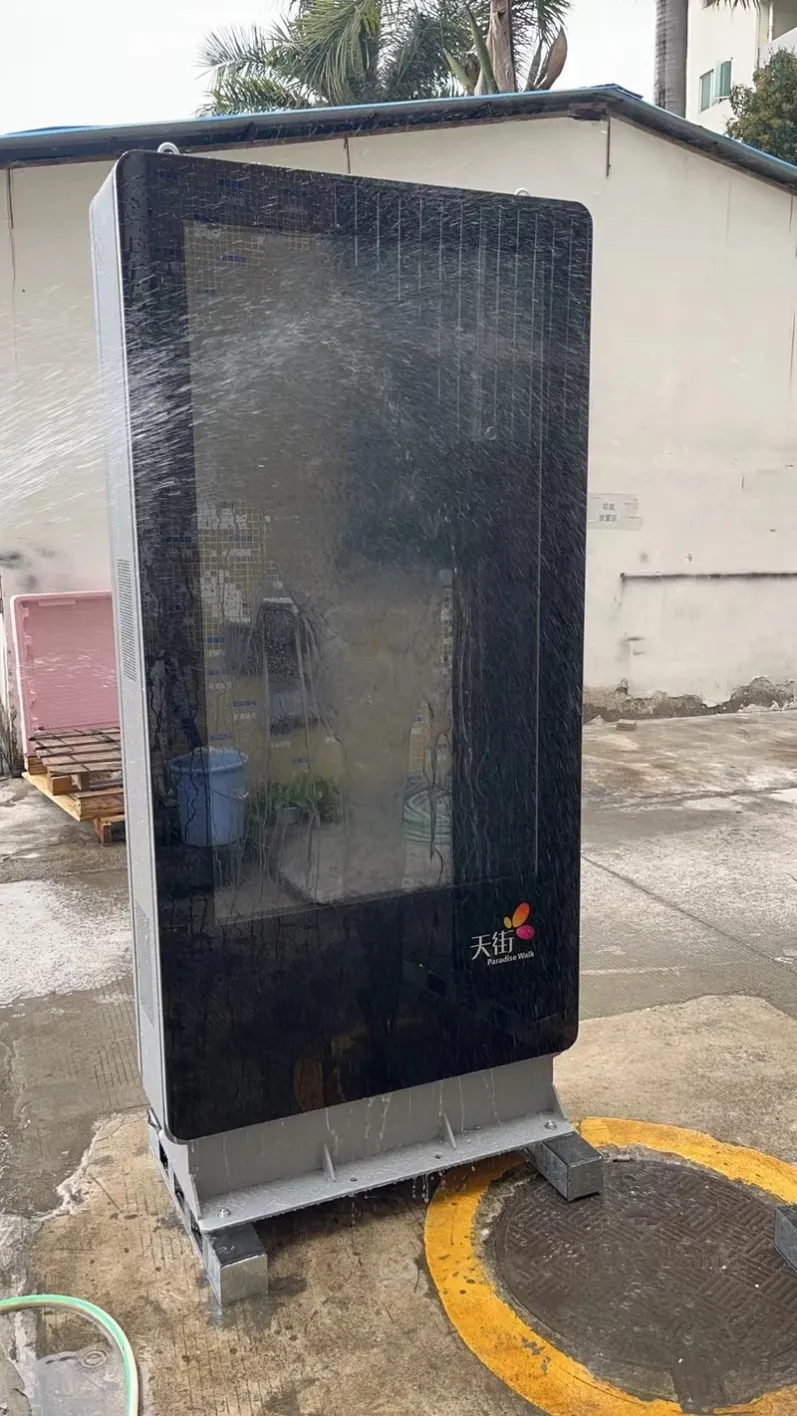
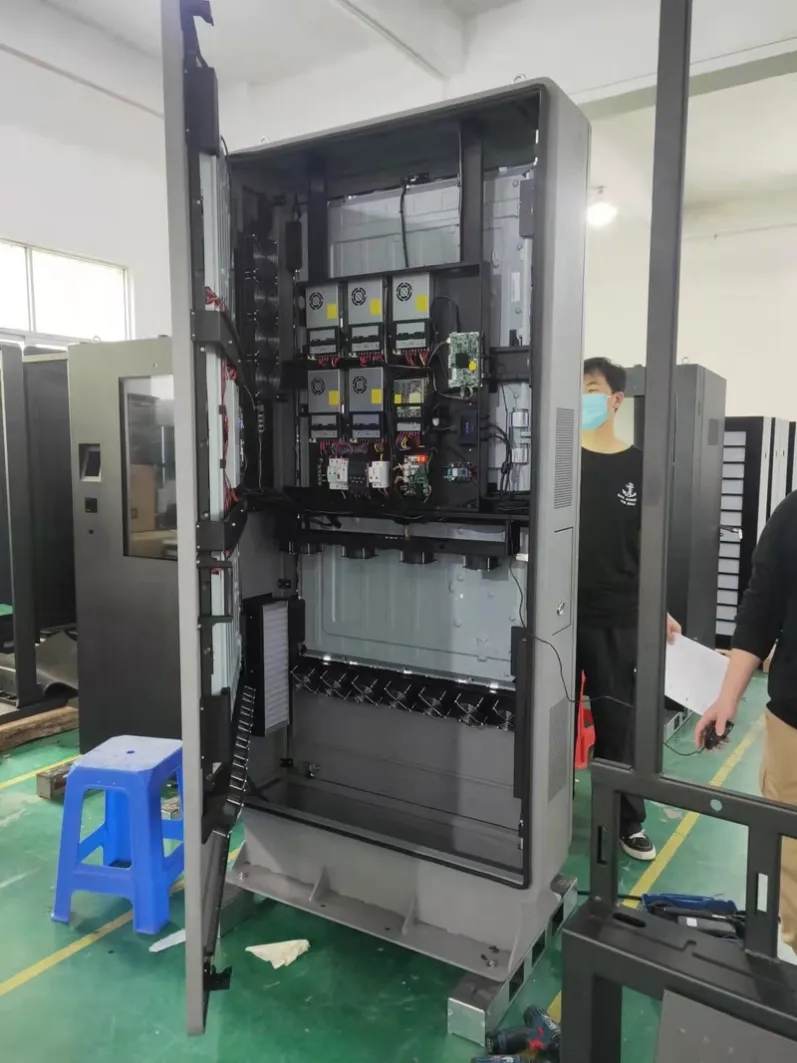
Efficient Cooling Reduces Heat and Energy Use
Blocked filters, recirculating airflow or declining cooling components make the thermal system run longer and consume more energy. Cleaning and correct door sealing can restore designed efficiency. Avoid both excessive and insufficient thermal capacity: one can create unnecessary cycling, while the other runs continuously at full load.
Retain before-and-after data and rollback for every adjustment so efficiency does not damage readability or stability. Complete an actionable result for efficient cooling reduces heat and energy use before changing several other conditions at once.
Content Also Influences Load
Large bright white areas, continuously intense video and unnecessary maximum-output strategies can increase system load. Content teams can manage white area, contrast and pacing while preserving brand and clarity. Every creative adjustment must pass readability review; critical information should not be sacrificed for efficiency. The energy efficient digital signage review should retain evidence for later comparison.
Retain before-and-after data and rollback for every adjustment so efficiency does not damage readability or stability. Complete an actionable result for content also influences load before changing several other conditions at once.
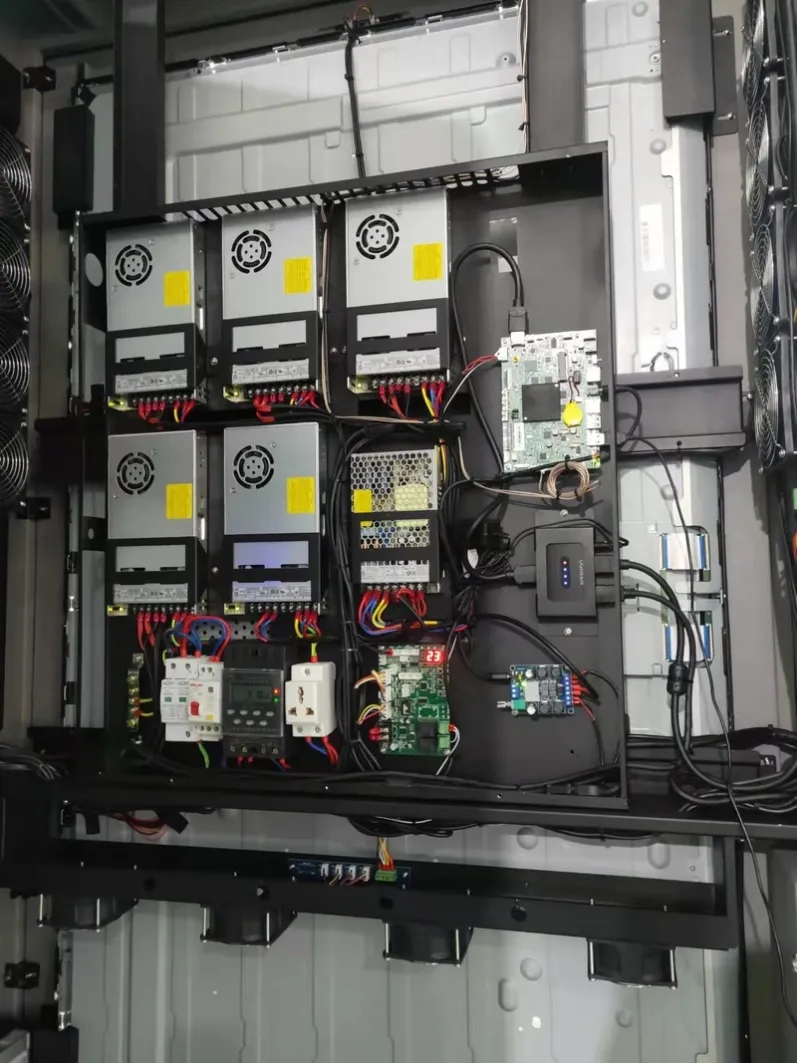
Verify Efficiency with Data
After adjustment, compare energy, temperature, brightness and alarms under similar weather and operating periods and collect viewing feedback. A reduction accompanied by daytime readability complaints is not success. Change one major variable at a time and preserve rollback so the effect is identifiable.
Retain before-and-after data and rollback for every adjustment so efficiency does not damage readability or stability. Complete an actionable result for verify efficiency with data before changing several other conditions at once.

Turn the Review into an Operating Plan
The goal of energy efficient digital signage is clear and reliable communication when needed, with reduced load when maximum output is unnecessary. Review energy per operating hour, peak internal temperature, alarms and content readability together. Only a measurable, reversible and site-validated strategy is suitable for long-term operation.
Separate one-time efficiency restoration from continuous control. Cleaning airflow and restoring door seals recover design performance, while dimming, schedules and content require ongoing monitoring. Quarterly targets should not rely on total consumption alone because weather and operating hours distort the result. More useful measures include energy per operating hour, load under comparable output, peak temperature and thermal alarm count, reviewed together with readability sampling.
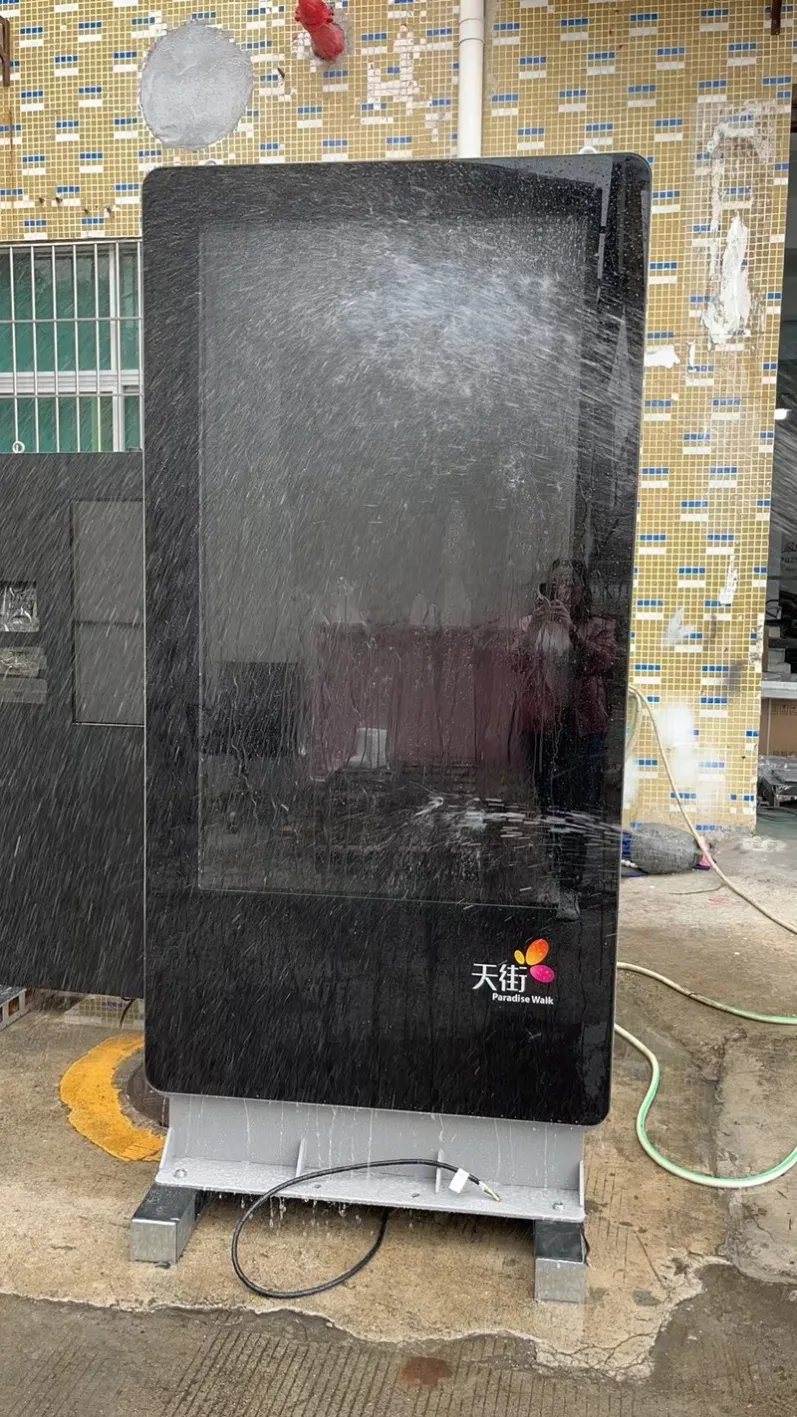
Interpret energy change together with service value. Reduce output or hours where there is little night traffic, but retain required readability where the screen carries public information. Define the service level that cannot be sacrificed before finding adjustable load. Reassess after a complete season to capture weather, operating-hour and content changes.
Compare energy by site group only after accounting for operating hours, weather and readability target. Investigate sensor, cooling and schedule settings at an outlier before judging hardware efficiency. Diagnosis is safer than lowering every screen uniformly. The energy efficient digital signage result should be verified before the task is closed.
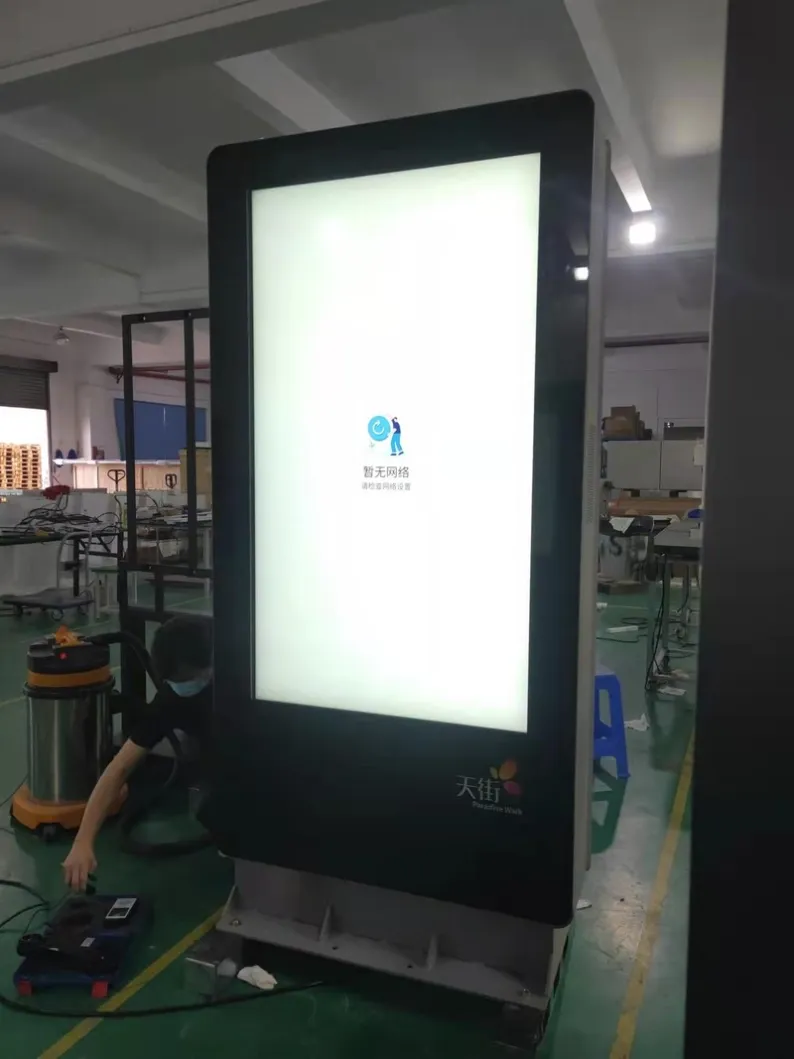
Before confirming this energy efficient digital signage project, document site photographs, orientation, operating hours, local power, viewing distance and maintenance access. Keep the same information with later inspection results so the original assumptions can be reviewed when conditions change.