Oct 14, 2026Buying Guides
Outdoor Digital Signage Quality Standards: 5 Core Dimensions to Evaluate Hardware Reliability
Learn key outdoor digital signage quality standards: evaluate sunlight readability, IP65 ingress protection, thermal efficiency, and commercial durability.
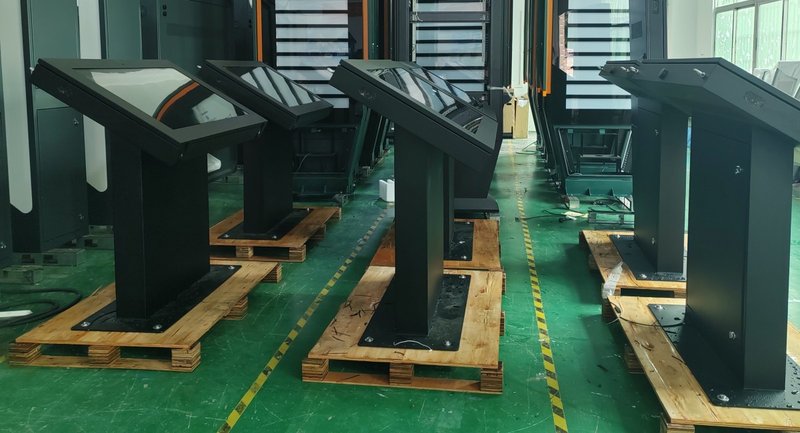
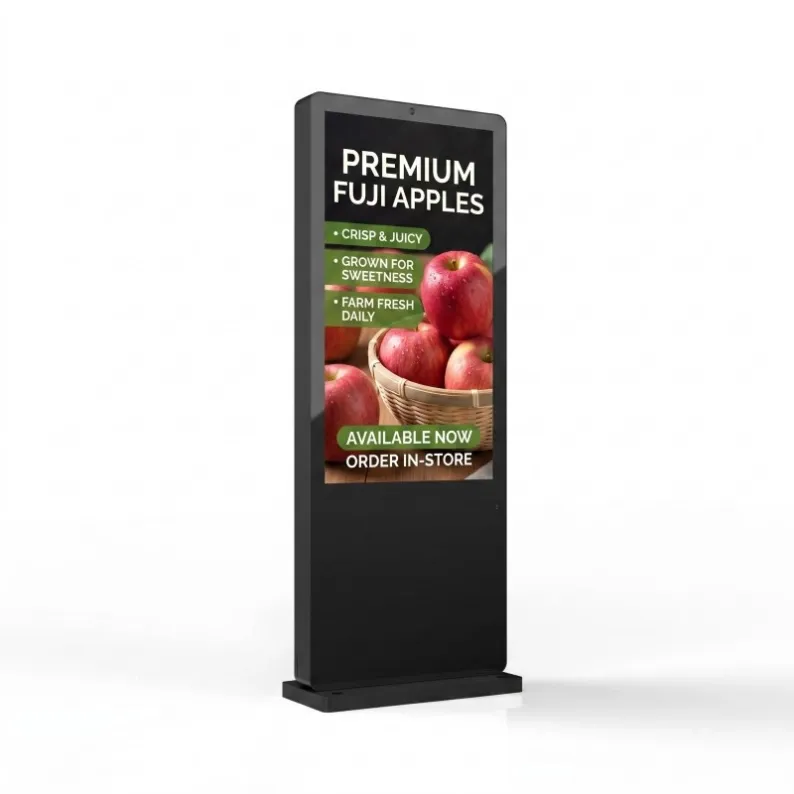
Deploying a high-performance Outdoor Digital Signage Quality Standards provides commercial spaces and public venues with an all-weather digital display solution. Outdoor digital signage kiosks are widely installed across commercial pedestrian streets, transit hubs, shopping centers, scenic attractions, hotels, and residential communities. Compared to conventional indoor display equipment, the operational environments they encounter are vastly more demanding and complex.
When selecting an outdoor advertising display, many buyers tend to focus solely on screen size and display resolution. However, the true determinants of long-term operational viability encompass multiple dimensions: ingress protection capability, optical display performance, thermal management engineering, system stability, and ease of ongoing maintenance.
A qualified outdoor advertising display must be evaluated comprehensively based on its actual application environment, rather than judged by isolated technical specifications.
1. Does Display Performance Adequately Adapt to Outdoor Conditions? with a Outdoor Digital Signage Quality Standards
The primary function of outdoor digital signage is information dissemination, making visual display performance a foundational evaluation criterion.
Due to direct sunlight exposure in outdoor environments, standard screens frequently suffer from washed-out visuals, glare, and unreadable content during daylight hours. Therefore, outdoor commercial displays typically require significantly higher nit brightness ratings (high-brightness panels) to guarantee crystal-clear readability throughout all hours of the day.
Beyond brightness, attention must also be paid to screen resolution, color gamut fidelity, wide viewing angles, and image stability.
For displays situated in dense pedestrian zones, sharp and vibrant visuals maximize advertising impact, ensuring marketing messages immediately capture viewers' attention.
2. Does the Ingress Protection Meet Installation Site Demands?
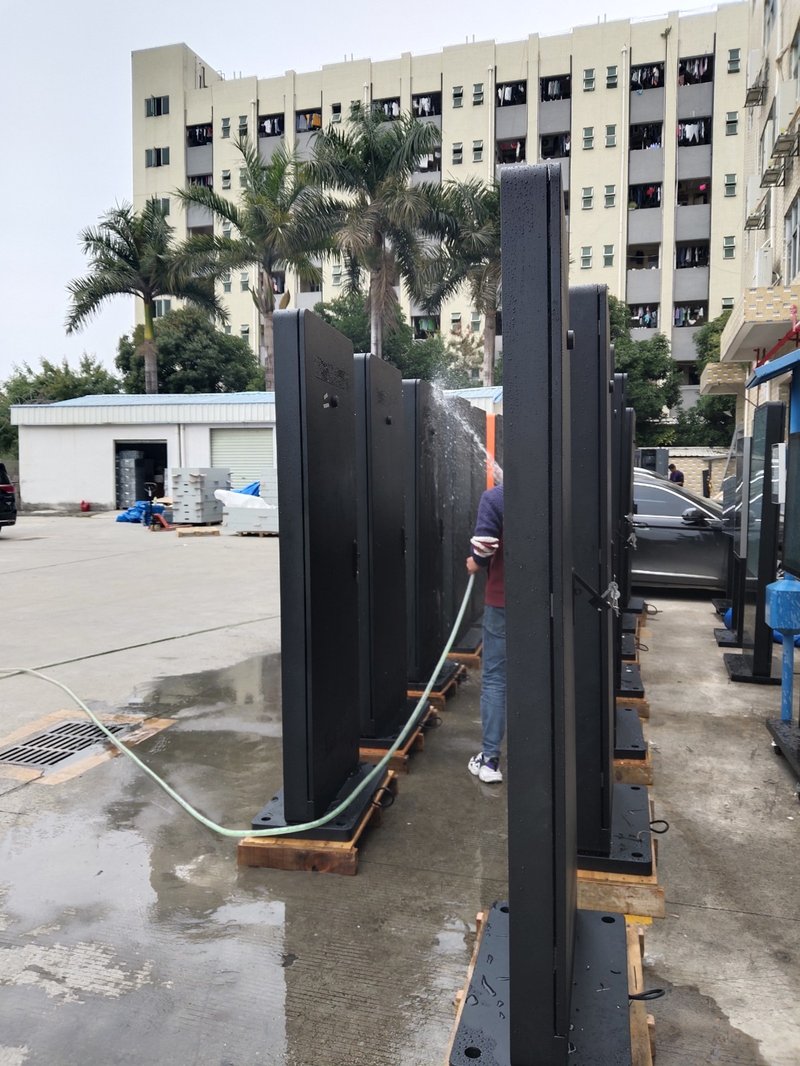
Outdoor advertising displays must continuously withstand harsh environmental elements including heavy rain, airborne dust, relentless solar radiation, and extreme seasonal temperature fluctuations. Consequently, structural enclosure protection is paramount.
An outdoor display must provide appropriate ingress protection tailored to its specific deployment location. For example:
Fully exposed, open-air installations demand rigorous waterproof (rainproof), dustproof, and UV-resistant capabilities;
Semi-outdoor sheltered locations require close consideration of ambient humidity, airborne dust accumulation, and temperature swing impacts.
Chassis structural integrity, silicone sealing gasket engineering, and internal component conformal coatings all directly determine long-term operational durability.
3. Is the Thermal Management Architecture Well-Engineered?
Outdoor digital signage typically operates for extended periods, and in commercial districts, units often run content continuously 24/7.
Internal components such as LCD panels, motherboards, media players, and high-wattage power supplies generate substantial internal heat during operation. If thermal dissipation is inadequate, it can lead to system instability, thermal throttling, screen blackening (solar clearing defects), or permanent component failure.
Therefore, when choosing outdoor digital signage, evaluate the thermal management architecture employed—such as forced-air cooling (intelligent fan cooling), integrated air conditioning (refrigeration cooling), or specialized heat exchanger designs—and verify whether it matches local ambient temperature ranges.
Robust thermal engineering not only guarantees stable operation but also significantly decreases routine maintenance frequency.
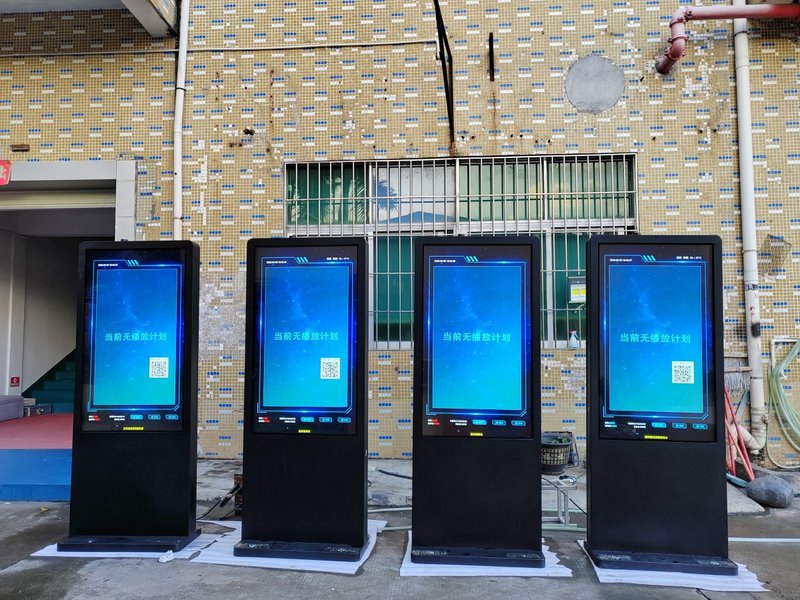
4. Is the Operating System and Hardware Platform Rock-Solid?
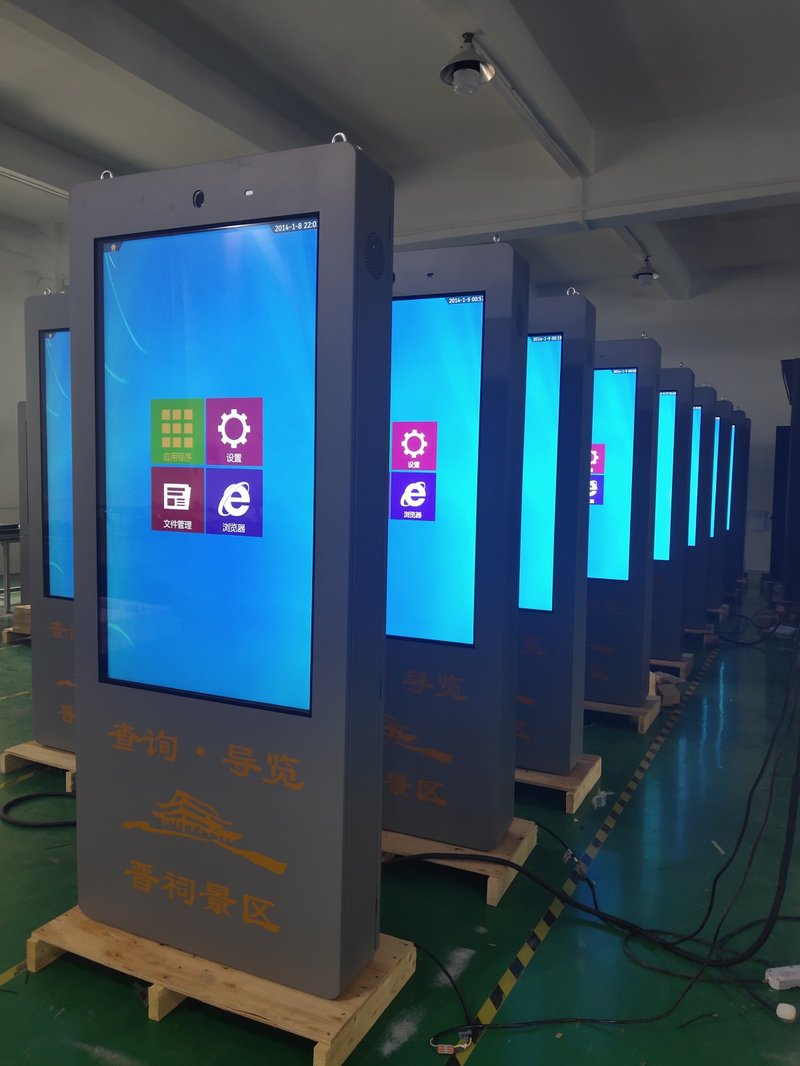
An outdoor advertising kiosk is far more than just a display screen; it functions as an integrated computing system running playback software, networked management clients, and content distribution platforms.
A robust industrial-grade hardware platform and an optimized operating system prevent common operational glitches such as playback stuttering, system crashes, and network disconnection drops.
For projects managing multi-screen network deployments, verify whether the system supports centralized remote content updates, real-time device health monitoring, scheduled on/off timers, and unified cluster management to maximize daily operational efficiency.
5. Are Enclosure Structure and Mounting Options Appropriate?
Different deployment environments impose distinct requirements on kiosk structural design.
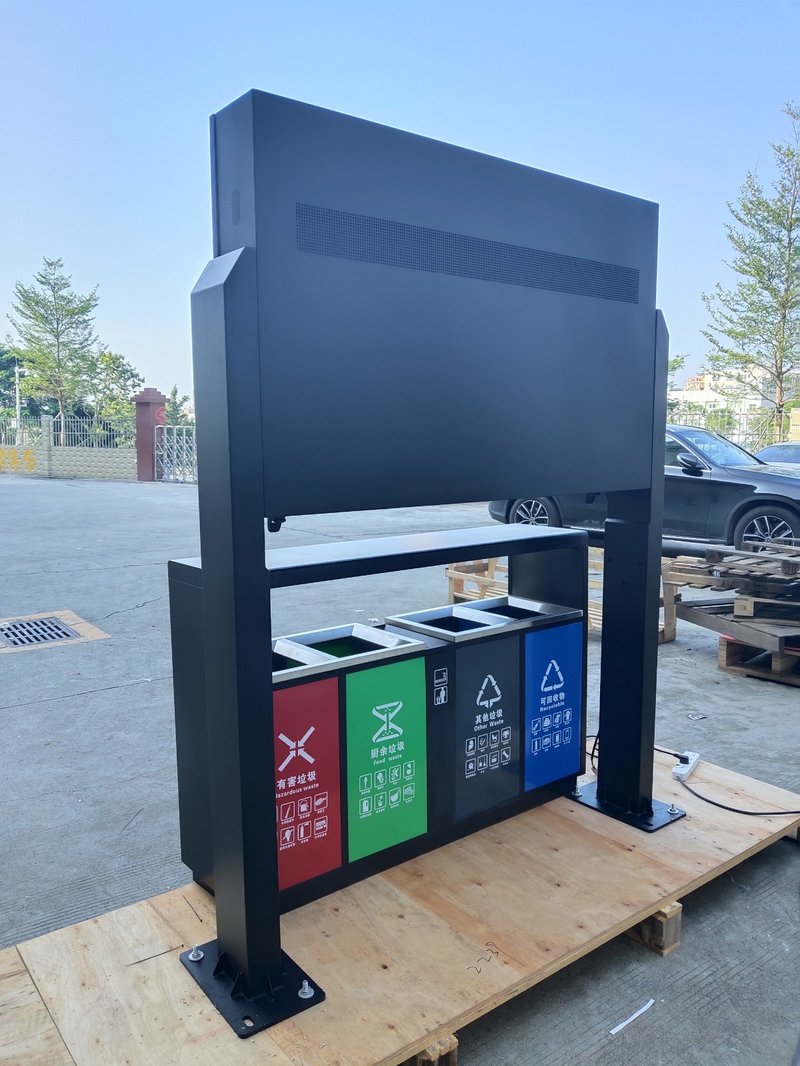
For instance, open spaces such as commercial plazas and streets typically require freestanding floor-mounted kiosks, where ground anchoring, structural wind load resistance, and pedestrian safety are primary concerns.
Locations with constrained floor footprint can utilize wall-mounted displays, whereas projects demanding architectural integration can opt for recessed in-wall mounting.
Chassis engineering impacts not only aesthetic appeal but also installation complexity and long-term service accessibility.
6. Is Maintenance Convenient and Service-Friendly?
Outdoor advertising kiosks are long-term capital assets, making lifecycle maintenance and serviceability essential considerations.
When evaluating equipment, check:
Are power supplies and communication interfaces easily accessible for inspection?
Are internal electronics laid out modularly for swift servicing?
Can wear-and-tear components be replaced quickly on-site?
Does the manufacturer provide reliable, responsive technical support?
When unexpected anomalies arise, a maintenance-friendly architecture dramatically minimizes downtime and maximizes operational return on investment.
7. Manufacturer Industry Experience and Project Customization Capabilities
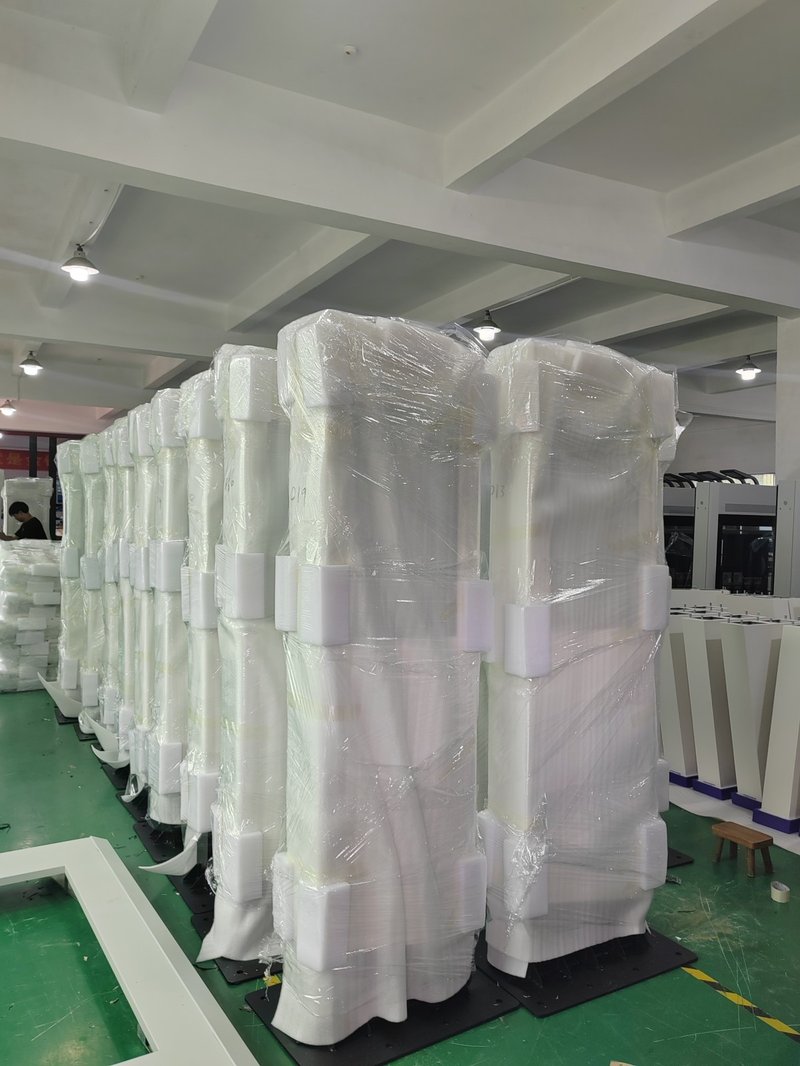
Outdoor digital displays are not generic, one-size-fits-all commodity products; different project environments often dictate tailored technical configurations.
For example, transportation infrastructure projects prioritize 24/7 all-weather continuous reliability; high-end commercial retail spaces emphasize premium aesthetic finishes and ultra-high-definition visual performance; corporate business parks may prioritize centralized remote cloud management.
Consequently, when selecting a manufacturing partner, look beyond basic specification sheets to evaluate their proven track record, engineering customization capabilities, quality control certifications, and comprehensive after-sales technical support.
How to Determine if an Outdoor Advertising Display Fits Your Project
Assessing whether an outdoor digital display is qualified requires aligning hardware capabilities with real-world deployment conditions:
If the display faces direct, intense sunlight, prioritize ultra-high nit brightness, auto-dimming sensors, and UV protection;
If the project demands prolonged continuous operation, scrutinize thermal cooling efficiency and hardware platform reliability;
If managing large-scale, multi-location deployments, place high priority on remote cloud CMS management and low-maintenance modular architecture.
An outstanding outdoor digital signage solution does more than simply play video content; it delivers uninterrupted, dependable performance across complex outdoor climates while minimizing total cost of ownership (TCO) and maintenance overhead throughout its operational lifespan.
FAQ
Q1: What is the primary difference between outdoor digital signage and standard commercial displays?
The core distinction lies in environmental tolerance. Outdoor digital signage is engineered specifically to withstand direct sunlight, rain, airborne dust, and extreme temperature swings, featuring vastly higher nit brightness, IP-rated weatherproofing, and specialized industrial thermal management systems.
Q2: Is higher screen brightness always better for outdoor digital signage?
Not necessarily. Screen brightness must match the ambient lighting of the installation environment. Insufficient brightness leads to unreadable content, while excessive brightness can cause optical glare, unnecessary energy consumption, and increased internal heat. Incorporating automatic ambient light sensors delivers the optimal balance.
Q3: Can outdoor digital signage run continuously 24/7?
Yes, industrial-grade outdoor digital signage is purpose-built for continuous 24/7 commercial operation. However, maintaining reliable operation requires selecting the appropriate thermal configuration and conducting periodic routine checkups.
Q4: What factors should be evaluated when selecting an outdoor digital signage manufacturer?
Beyond hardware specifications, evaluate the manufacturer's engineering track record, custom enclosure design capabilities, quality assurance testing standards, and the responsiveness of their after-sales technical support. In conclusion, selecting a professional Outdoor Digital Signage Quality Standards guarantees long-term operational stability, superior sunlight readability, and maximum commercial impact.
Looking for customized Outdoor Digital Signage Quality Standards solutions, high-brightness outdoor digital signage kiosks, or weatherproof commercial displays? Feel free to contact the ZXTLCD engineering team for detailed technical specifications, mounting drawings, and volume pricing.