Jul 24, 2026Buying Guides
Fan Cooling vs Air Conditioning for Outdoor LCD Displays
Compare fan cooling and built-in air conditioning for outdoor LCD displays, including climate, cabinet size, power, maintenance and installation factors.
Fan Cooling vs Air Conditioning for Outdoor LCD Displays
Selecting an Outdoor LCD Cooling System is a project decision, not a matter of assuming that the more complex option is always better. Fan cooling can provide efficient thermal management for many installations, while built-in air conditioning may be more appropriate for larger cabinets, hotter climates or extended operating schedules.
The correct choice depends on ambient temperature, direct sunlight, screen size, brightness, enclosure design and maintenance conditions. These factors should be reviewed together before the display model is finalized.
Why Outdoor LCD Displays Need Thermal Management
A commercial outdoor display contains several heat-generating components:
- High-brightness LCD backlight
- Power supplies
- Media player or industrial computer
- Control boards
- Network hardware
- Optional touch or sensor systems
The sun can add further heat to the cabinet, particularly when the display faces direct afternoon sunlight. A sealed enclosure protects internal components from dust and water but also limits the natural escape of heat.
Without an appropriate Outdoor LCD Cooling System, internal temperatures may rise beyond the preferred operating range of the panel and electronic components.
Thermal management needs to perform two jobs:
- Remove heat generated inside the enclosure.
- Limit the effect of changing outdoor conditions.
How Built-In Fan Cooling Works
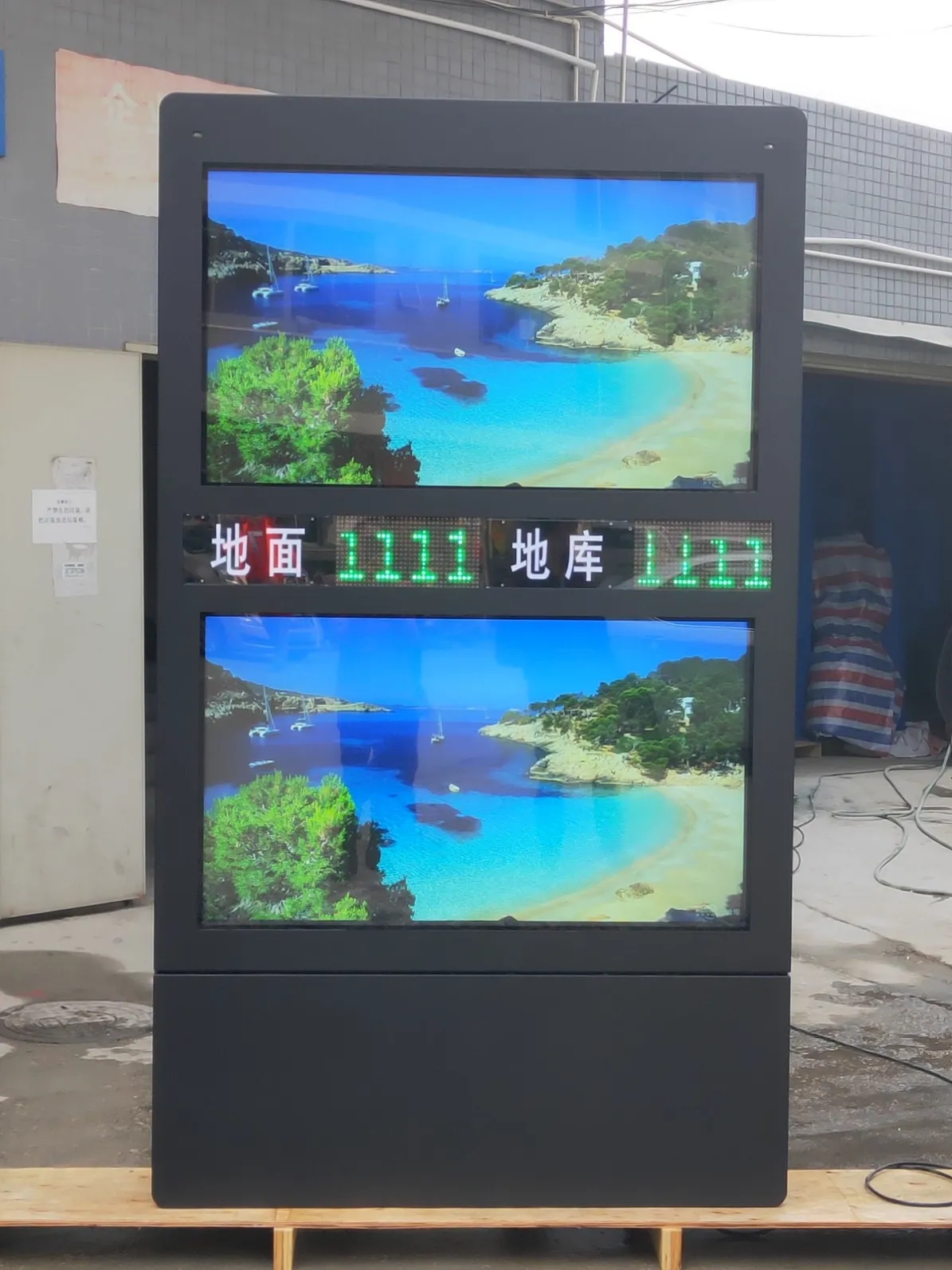
A fan-cooled outdoor display uses controlled airflow to transfer heat away from the panel, electronics and power components. The exact airflow path depends on the enclosure design.
Fan cooling should not be confused with placing ordinary openings in a cabinet. A commercial outdoor unit needs a managed system that considers filtration, weather protection and the separation of sensitive internal components.
Advantages of fan cooling
- Comparatively simple mechanical system
- Lower power demand than active air conditioning
- Potentially slimmer and lighter cabinet
- Suitable for many moderate outdoor environments
- Straightforward inspection and fan replacement
- Lower initial cost in many configurations
Points requiring attention
- Airflow can be reduced by dust and debris
- Filters or ventilation paths require cleaning
- Performance depends on ambient air temperature
- Direct solar heat can increase the cooling load
- Fan noise may matter in quiet environments
- Blocked openings can quickly reduce effectiveness
A fan-cooled display still requires a well-designed enclosure and scheduled maintenance.
How Built-In Air Conditioning Works
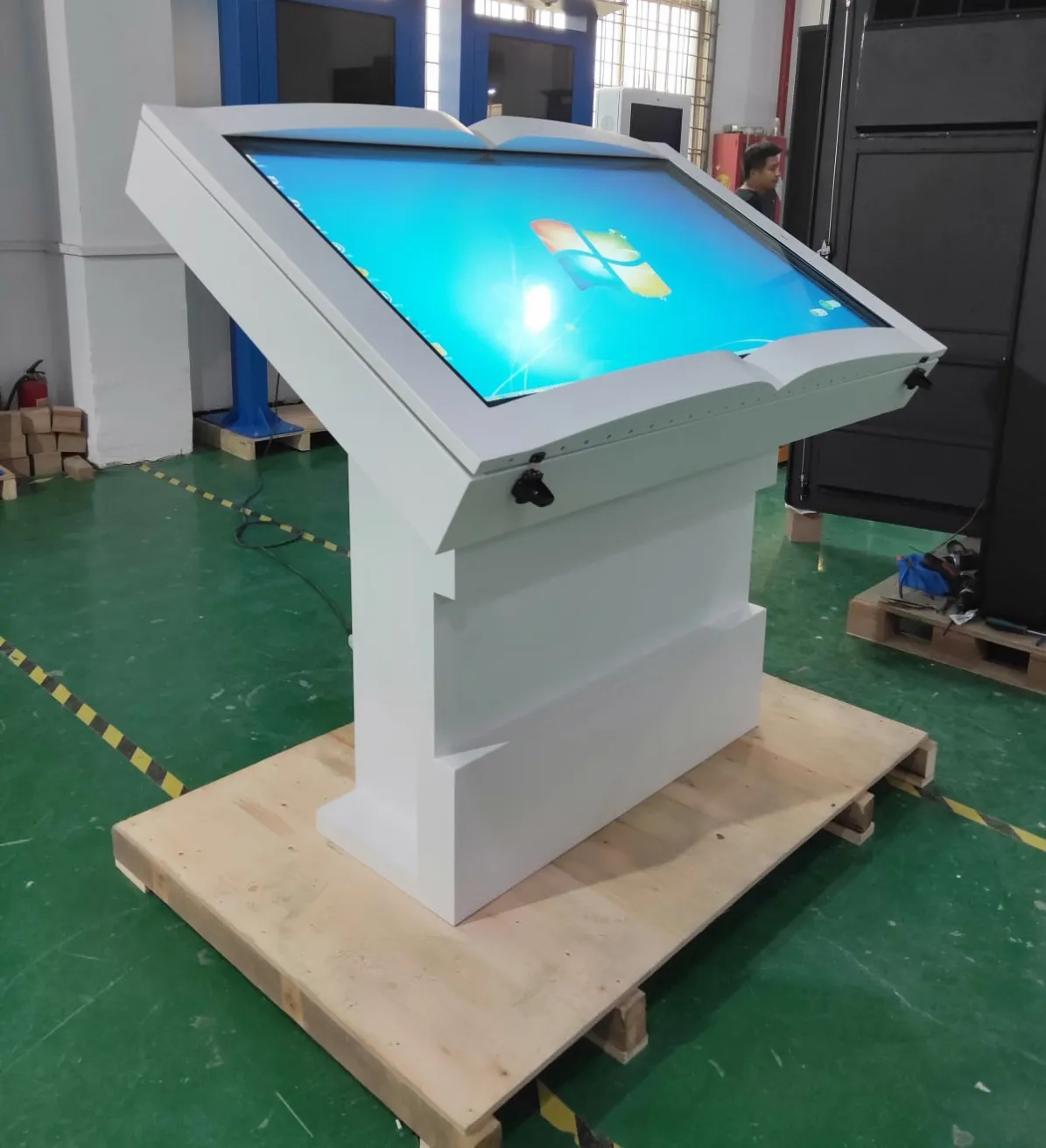
An air-conditioned outdoor cabinet uses an active refrigeration or heat-exchange system to regulate the internal temperature more independently from the surrounding air.
This approach may be selected when the installation faces sustained high temperatures, direct sunlight or a demanding operating schedule.
Advantages of built-in air conditioning
- More active cabinet-temperature control
- Suitable for high thermal loads
- Useful for large high-brightness displays
- Better suited to some hot-climate projects
- Can support extended daily operation
- Less dependent on ambient airflow alone
Points requiring attention
- Higher power consumption
- Increased cabinet weight and depth
- More components requiring maintenance
- Filter and condenser inspection
- Drainage requirements
- Potentially higher purchase and service cost
- Sufficient access needed after installation
Air conditioning is not maintenance-free. A cooling unit hidden behind decorative cladding or installed without service access can create serious practical problems.
Side-by-Side Comparison
Factor | Built-in fan cooling | Built-in air conditioning |
|---|---|---|
Thermal control | Uses managed airflow | Uses active temperature control |
Power demand | Generally lower | Generally higher |
Cabinet size | Can allow a slimmer design | May require additional depth |
Weight | Usually lighter | Usually heavier |
Maintenance | Fans, filters and airflow paths | Filters, condenser, drainage and cooling unit |
Best suited to | Moderate climates and suitable thermal loads | High temperatures and demanding installations |
Direct-sun projects | Depends on site and cabinet design | Often more suitable for high solar load |
Initial cost | Often lower | Typically higher |
Service access | Required | Particularly important |
This table provides a general comparison. The final performance depends on the complete cabinet design rather than the cooling label alone.
Five Factors That Should Decide the Configuration
1. Local temperature range
The expected maximum temperature is more relevant than the average annual temperature. A site may be generally mild but experience several weeks of demanding summer conditions.
Minimum temperature also matters. Some projects may require heating or cold-weather control in addition to cooling.
2. Direct sunlight
Solar exposure can raise cabinet temperature above the surrounding air temperature. Record how many hours of direct sun the screen receives and which surface is exposed.
A display facing strong west-afternoon sun may need a different configuration from the same product installed beneath a deep canopy.
3. Screen size and brightness
Larger panels and higher-brightness backlights generally create more heat. An 86-inch 2500-nit display presents a different thermal load from a compact 32-inch screen.
The Outdoor LCD Cooling System should be evaluated for the actual panel, electronics and enclosure—not selected from the product category name.
4. Daily operating schedule
A display running eight hours per day has a different duty cycle from equipment expected to operate continuously.
Operating schedules should include the hottest part of the day. A screen used only in the evening may face a lower solar load than a display running from early morning through afternoon.
5. Maintenance environment
Cooling systems only remain effective when they can be inspected and cleaned.
Consider:
- Road dust near transit sites
- Grease around outdoor restaurants
- Pollen and leaves in landscaped areas
- Sand or fine particles in dry climates
- Salt exposure near coastal locations
- Access restrictions at elevated installations
The maintenance plan should influence the cooling decision before the product is ordered.
Application Examples
Drive-thru menu boards
Restaurant environments may expose ventilation areas to vehicle emissions, dust and airborne grease. Fan cooling can be practical where temperature conditions permit, provided cleaning is scheduled.
Hot climates, large menu screens or direct-sun installations may justify active air conditioning.
EV charging displays
Charging sites are often located in open car parks with little shade. Screen direction, operating schedule and local summer temperature should guide the decision.
Bus stations and transit hubs
Road dust and long operating hours increase the importance of maintainable airflow. Technicians need access without disrupting passenger circulation.
Retail storefronts
A screen beside an exterior window may receive reflected and direct sunlight. The available cabinet depth and the store’s maintenance process can affect cooling selection.
Smart-city and public information
Municipal screens may be expected to remain online throughout the day. Device monitoring and temperature alerts can support preventive maintenance.
Common Cooling-System Mistakes
Selecting by price alone
A lower-cost configuration is not economical if it cannot manage the actual thermal load. Conversely, an unnecessarily complex system can increase energy and maintenance expense.
Ignoring solar gain
Ambient temperature does not fully describe a cabinet exposed to direct sunlight.
Blocking airflow after installation
A display may be tested successfully before decorative panels, walls or landscaping restrict its ventilation.
Leaving no service access
Filters and cooling components cannot be maintained through a sealed structural wall.
Using inconsistent product information
The title may say fan cooling while the product category or specification table says air conditioning. This creates confusion for buyers and search engines.
Cooling information should be consistent across:
- Product title
- Description
- Specification table
- Category
- Tags
- Image captions
- Structured data
- Quotation documents
Questions for the Site Survey
Before selecting the Outdoor LCD Cooling System, record:
- What is the expected maximum ambient temperature?
- Does the screen face direct sunlight?
- How many hours will it operate daily?
- What are the panel size and brightness?
- Is the cabinet shaded or fully exposed?
- How frequently can the unit be serviced?
- Are dust, grease, sand or salt present?
- Is there enough electrical capacity for air conditioning?
- Can filters and components be accessed safely?
- Is remote temperature monitoring required?
These answers provide a more reliable basis for selection than a general preference for one cooling technology.
Monitoring and Preventive Maintenance
Temperature sensors and device monitoring can identify abnormal conditions before they cause a visible screen failure.
A preventive service record may include:
- Internal temperature history
- Fan condition
- Filter-cleaning date
- Cooling-unit inspection
- Airflow-obstruction check
- Cabinet-seal inspection
- Alarm and fault history
- Next scheduled service
Maintenance intervals should be adjusted after observing the real site. A fixed annual visit may be insufficient in a dusty transport location.
Which Outdoor LCD Cooling System Is Better?
Neither system is universally better.
Fan cooling is often a practical option for projects with manageable heat loads, suitable ambient conditions and regular airflow maintenance. Built-in air conditioning is often appropriate for demanding climates, direct-sun installations, large panels and long operating schedules.
The final choice should be supported by the site environment and thermal design of the complete product.
Browse outdoor LCD display configurations with fan cooling and built-in air conditioning. For a technical recommendation, provide the installation country, local temperature range, screen size, sunlight direction and daily operating schedule.