Aug 27, 2026Buying Guides
High Brightness Outdoor Display Care: Cleaning, Cooling and Sunlight Readability
Protect sunlight readability by maintaining the glass, cooling system, light sensor and content of a high brightness outdoor display.
High Brightness Outdoor Display Care: Cleaning, Cooling and Sunlight Readability
The value of a high brightness outdoor display is not a peak number alone; it is sustained readability in the real viewing environment. Dirty glass, reflections, reduced cooling, blocked sensors and unsuitable content can all make a powerful screen look weak in daylight. Maintenance must therefore connect optical care, thermal management and content review.
Is Poor Daylight Readability Really a Brightness Problem?
Dust, mineral marks and grease reduce light transmission and increase visible reflections. After safe power isolation, use a soft lint-free cloth and avoid abrasive tools or aggressive chemicals. Do not spray liquid toward the screen edge. Record scratches, coating changes or trapped moisture because they can affect the perceived performance of a high brightness outdoor display.
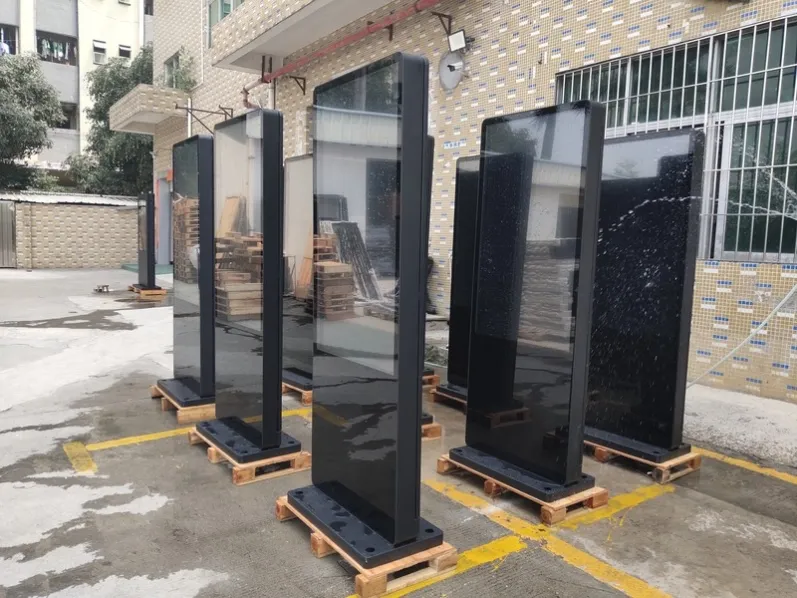
Evaluate the result from the intended viewing distance and real sunlight direction rather than only from directly in front of the screen. After the work described here, verify image, enclosure and related functions under normal conditions and leave a useful result for the next visit.
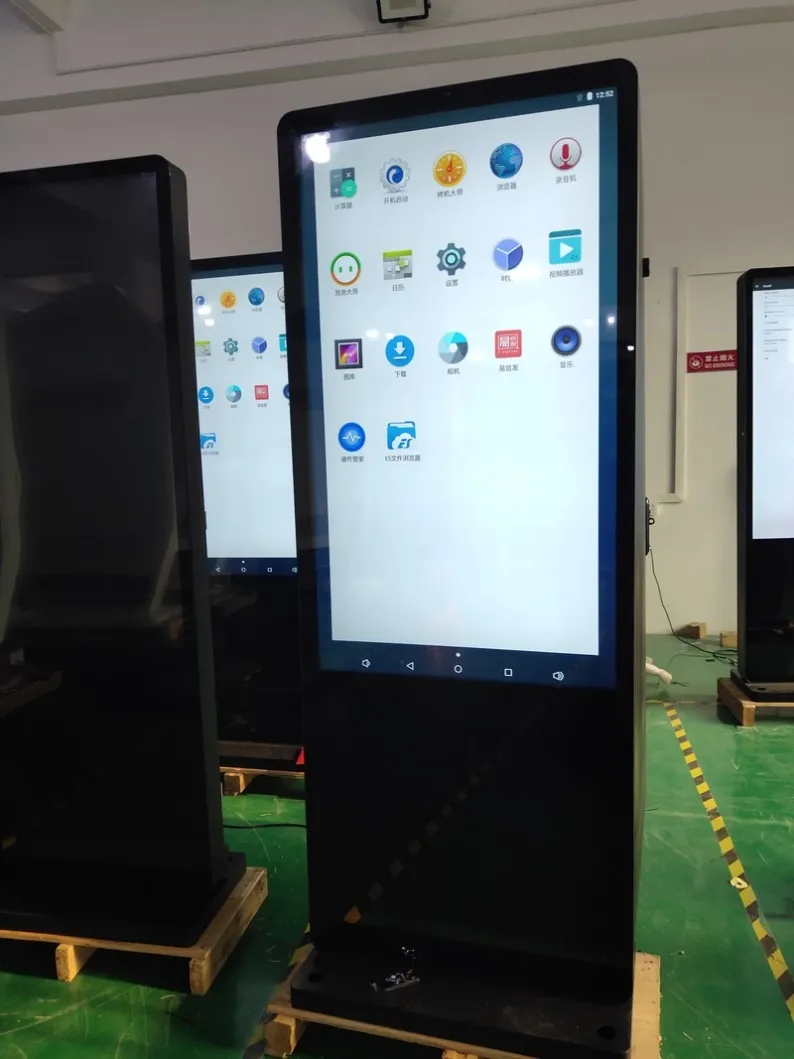
Dust and Water Marks Reduce Perceived Contrast
High-output backlighting produces heat. Blocked filters, weak fans or covered vents can trigger dimming, alarms or restarts. Keep airflow paths clear and review fan condition, temperature behavior and operating logs. Raising the brightness setting cannot compensate for a thermal problem and may increase stress on the system.
Evaluate the result from the intended viewing distance and real sunlight direction rather than only from directly in front of the screen. After the work described here, verify image, enclosure and related functions under normal conditions and leave a useful result for the next visit.
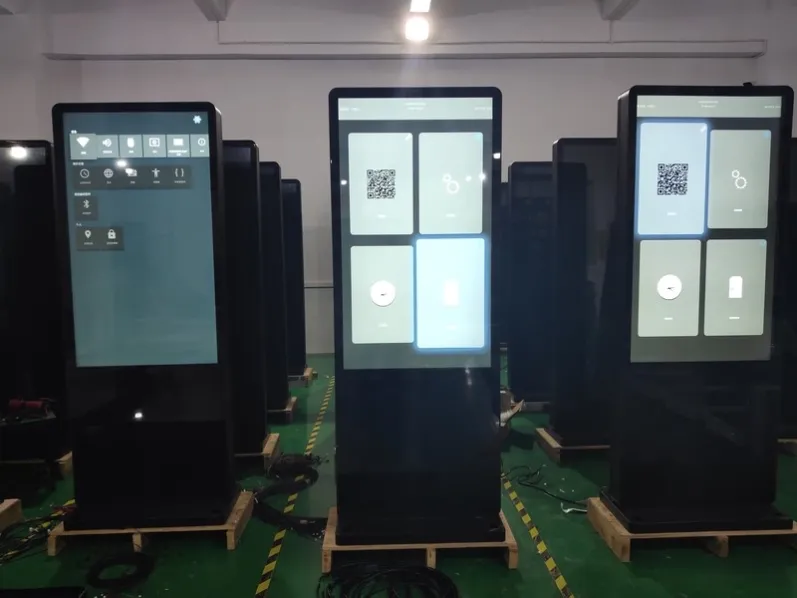
More Brightness Does Not Always Defeat Reflection
Where an ambient-light sensor is fitted, keep its surface clean and free from labels, dust or newly added structures. Observe whether brightness changes logically under different light levels after maintenance. Correct control prevents weak daytime visibility and excessive night-time output while supporting energy and thermal management.
Evaluate the result from the intended viewing distance and real sunlight direction rather than only from directly in front of the screen. After the work described here, verify image, enclosure and related functions under normal conditions and leave a useful result for the next visit.
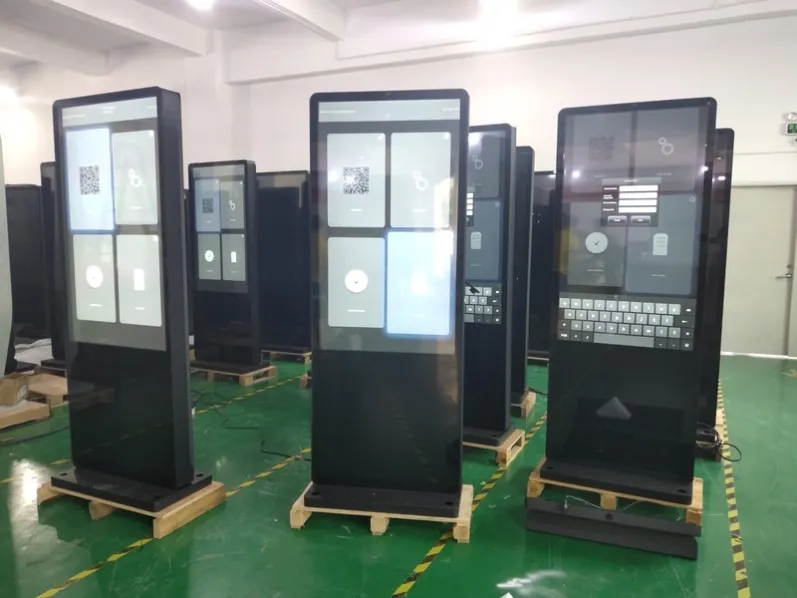
Weak Cooling Prevents Sustained High Output
Use clear hierarchy, adequate type size and strong contrast. Pale text over a complex image can remain difficult to read regardless of screen output. Review representative content from the intended viewing distance and direction rather than judging only at arm’s length. A high brightness outdoor display performs best when hardware and creative design support each other.
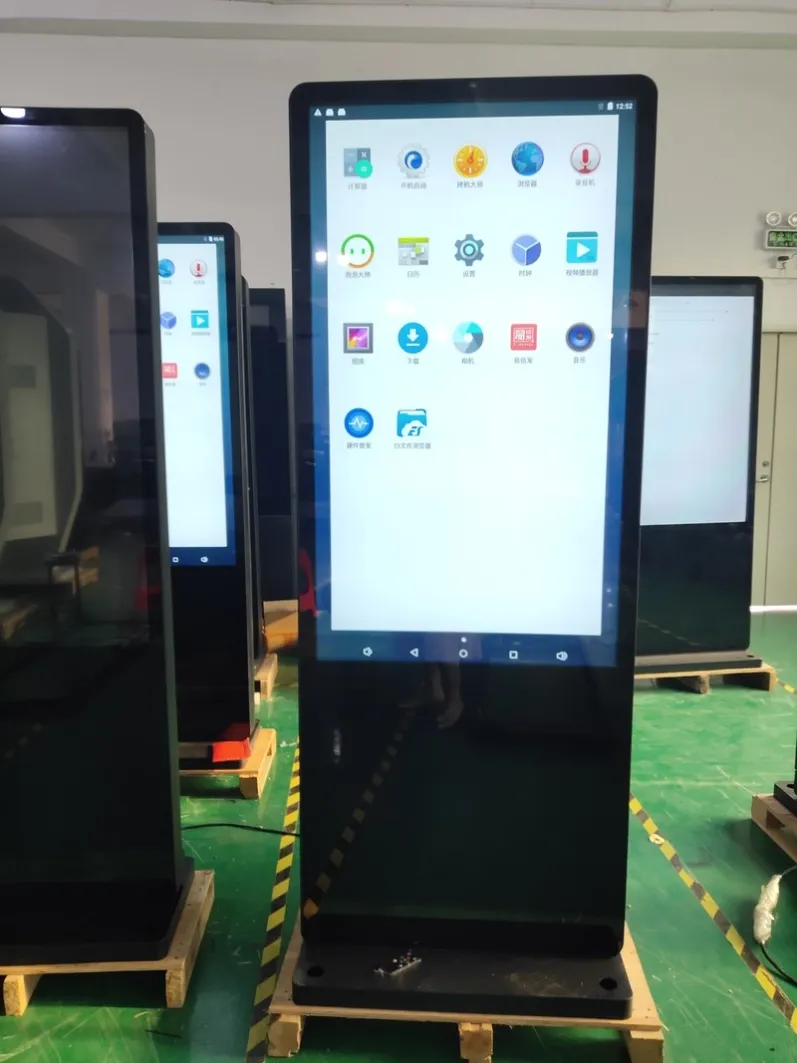
Evaluate the result from the intended viewing distance and real sunlight direction rather than only from directly in front of the screen. After the work described here, verify image, enclosure and related functions under normal conditions and leave a useful result for the next visit.
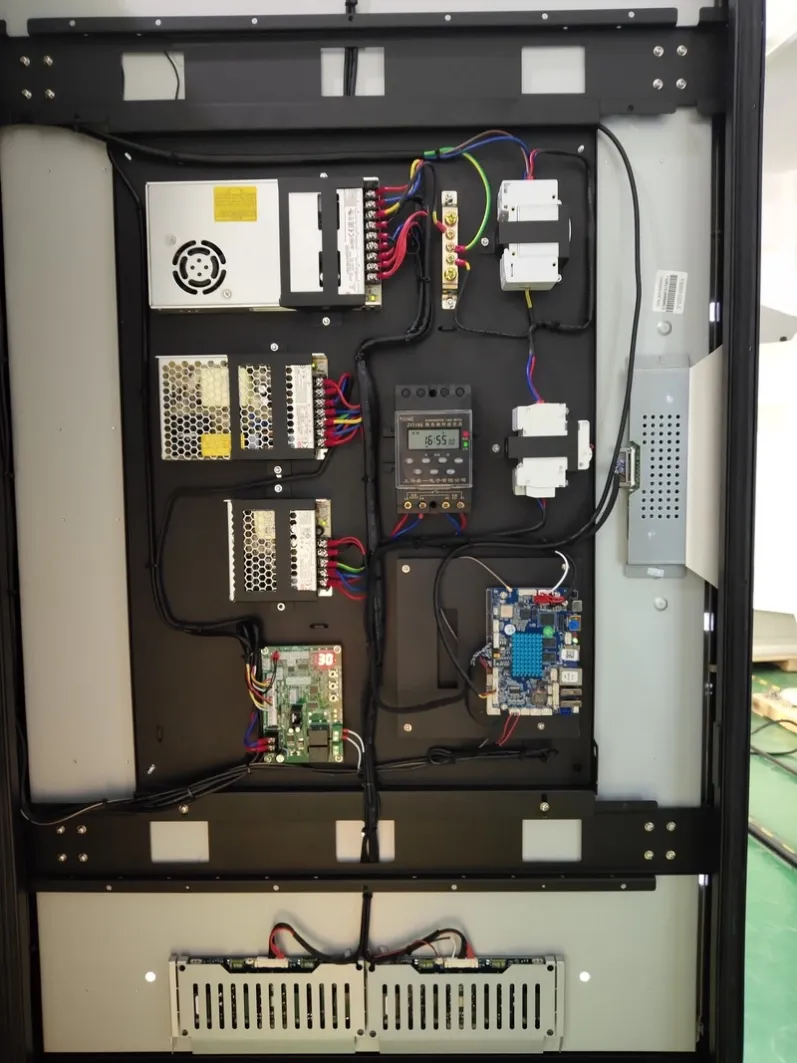
A Blocked Sensor Can Cause Incorrect Dimming
Use clear hierarchy, adequate type size and strong contrast. Pale text over a complex image can remain difficult to read regardless of screen output. Review representative content from the intended viewing distance and direction rather than judging only at arm’s length. A high brightness outdoor display performs best when hardware and creative design support each other.
Evaluate the result from the intended viewing distance and real sunlight direction rather than only from directly in front of the screen. After the work described here, verify image, enclosure and related functions under normal conditions and leave a useful result for the next visit.
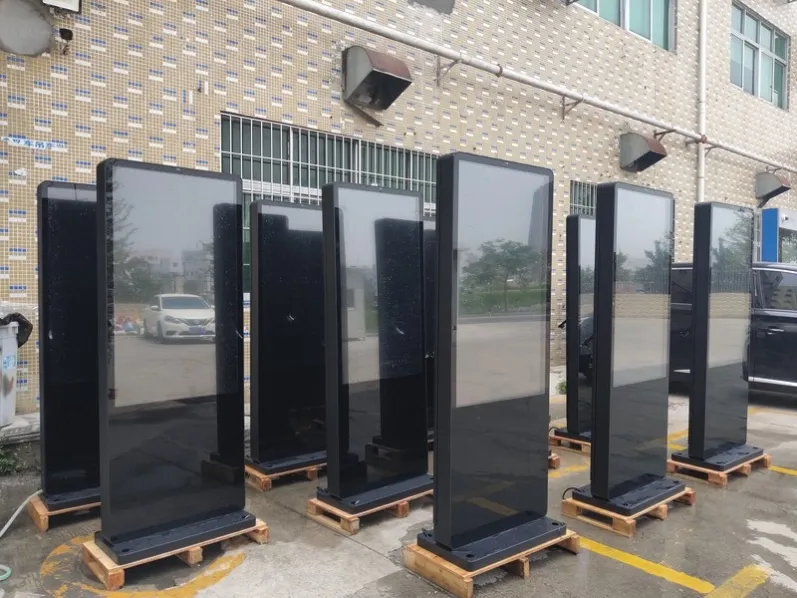
Check the Content Before Raising Settings Again
Use clear hierarchy, adequate type size and strong contrast. Pale text over a complex image can remain difficult to read regardless of screen output. Review representative content from the intended viewing distance and direction rather than judging only at arm’s length. A high brightness outdoor display performs best when hardware and creative design support each other.
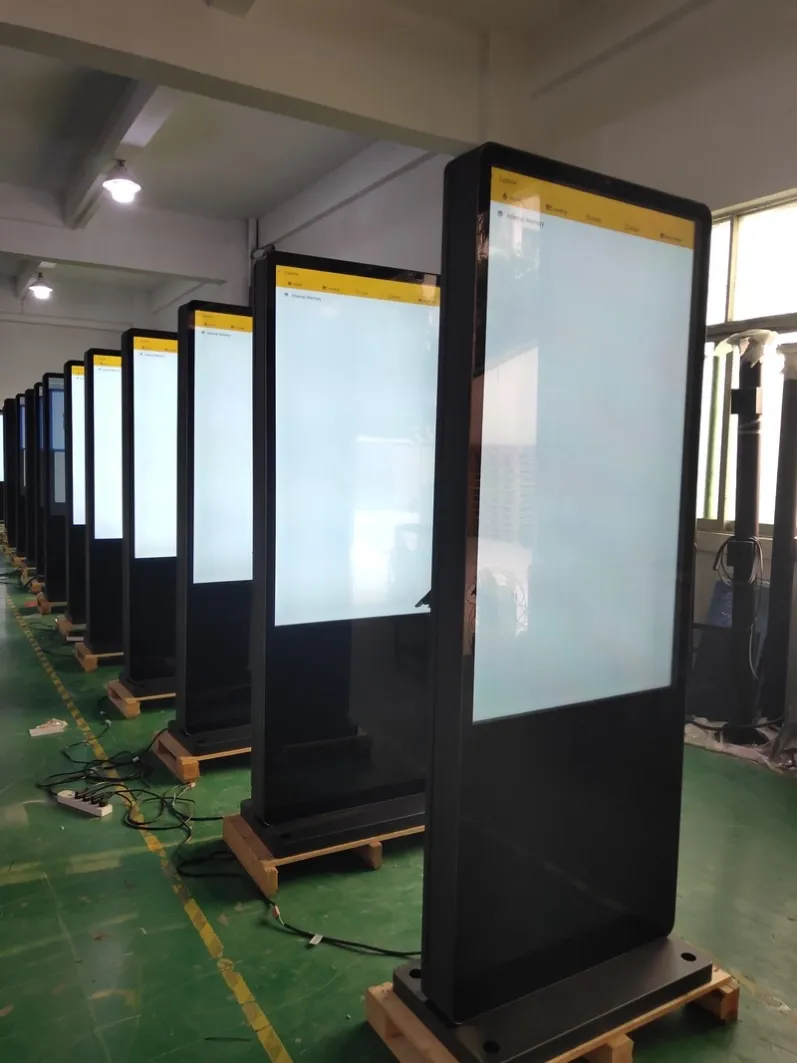
Evaluate the result from the intended viewing distance and real sunlight direction rather than only from directly in front of the screen. After the work described here, verify image, enclosure and related functions under normal conditions and leave a useful result for the next visit.
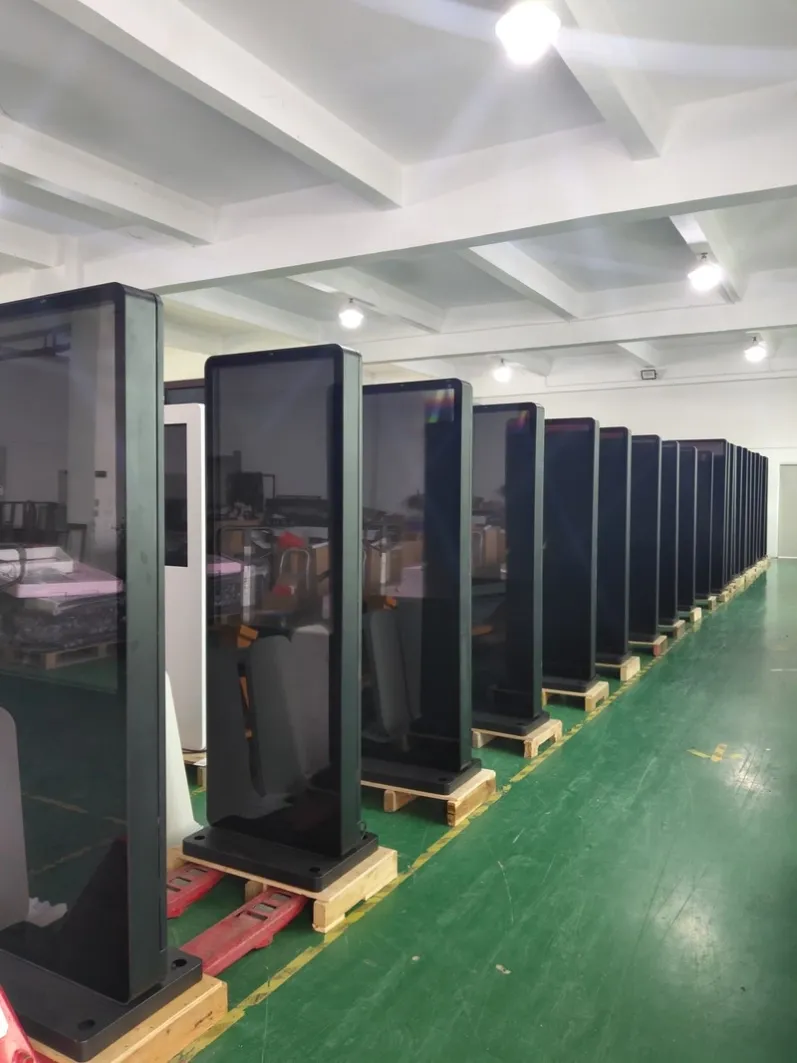
Closing the Maintenance Loop
Start with the optical surface, then review reflections, cooling, automatic control and content. This sequence prevents every readability complaint from being blamed on the panel and avoids increasing output while a thermal problem remains unresolved.
The installation environment can also change daylight readability. A new canopy, opposite facade, parked vehicles or seasonal sun angle may increase reflection. A new content template with a complex background and thin type can make the same panel appear weaker. Keep a standard test image and compare it from the same location and similar time. Clean and inspect the optical surface, observe reflection, review sensor values and brightness control, check temperature and fans, and finally assess content contrast. If thermal protection is reducing output, restore cooling instead of disabling protection. Optical, thermal, control and creative factors must all work for sustained high-brightness performance.
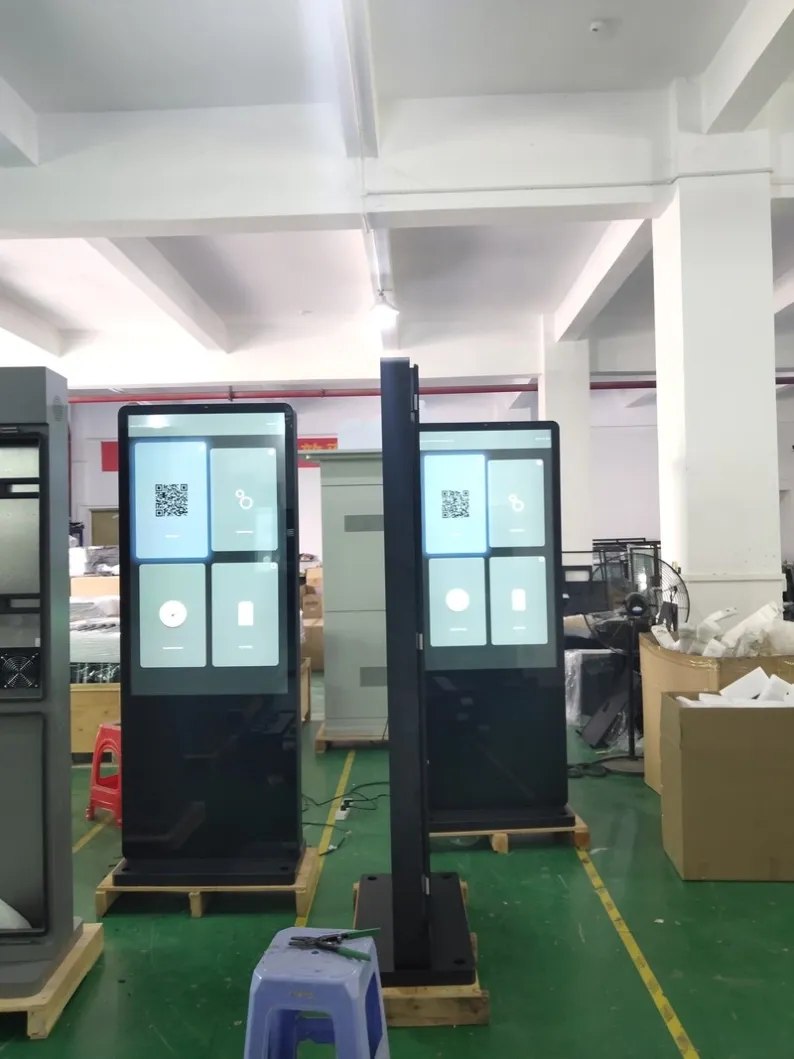
Where night operation is required, confirm that output does not create excessive glare and that day-to-night control changes smoothly. High brightness does not mean permanent maximum output; it means sufficient readability for the environment while managing heat, energy and glare.
Before confirming a project, share installation photographs, orientation, operating hours, local power information, viewing distance and maintenance-access requirements. These details help coordinate construction, thermal management, mounting and control for the intended high brightness outdoor display application.