Oct 14, 2026Buying Guides
Indoor vs Outdoor Digital Signage Displays: Comparing Enclosure, Brightness, and IP Ratings
Indoor vs outdoor digital signage displays compared: understand differences in panel brightness, IP weatherproofing, thermal engineering, and chassis durability.
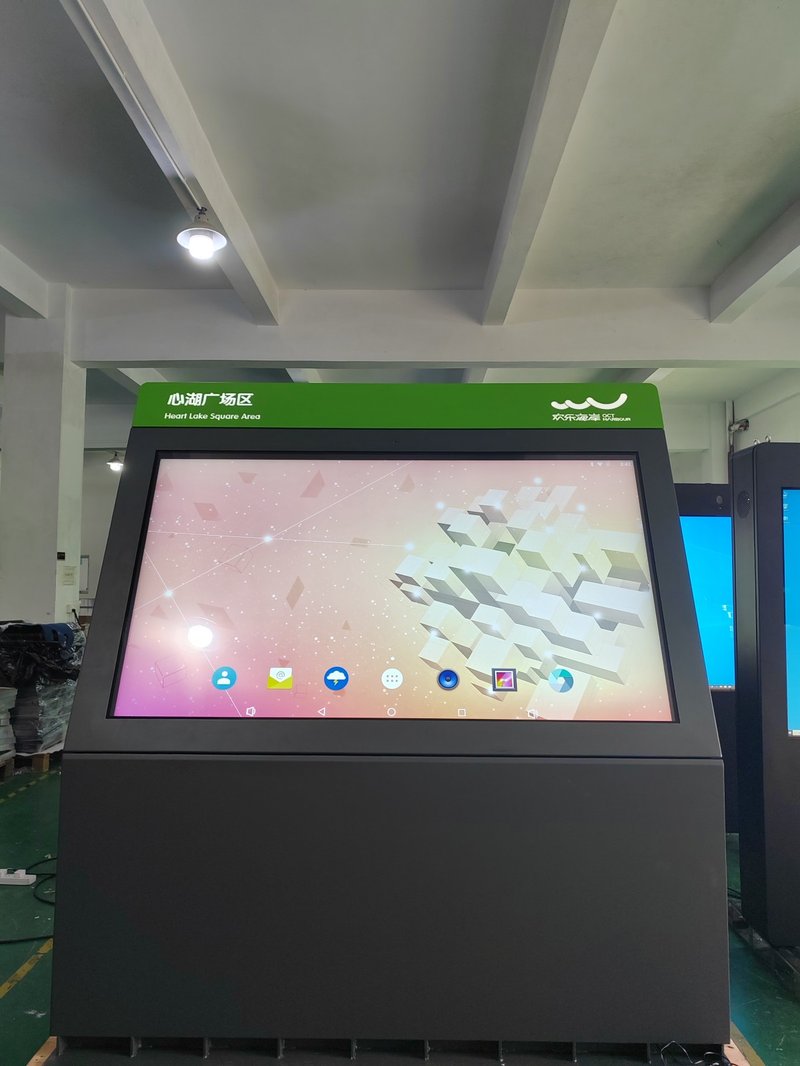
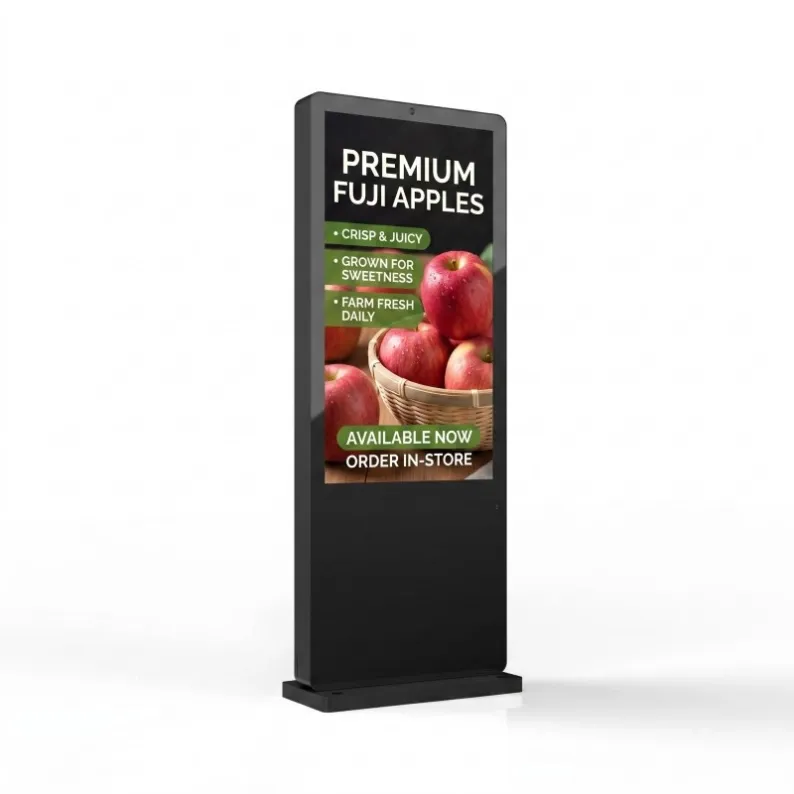
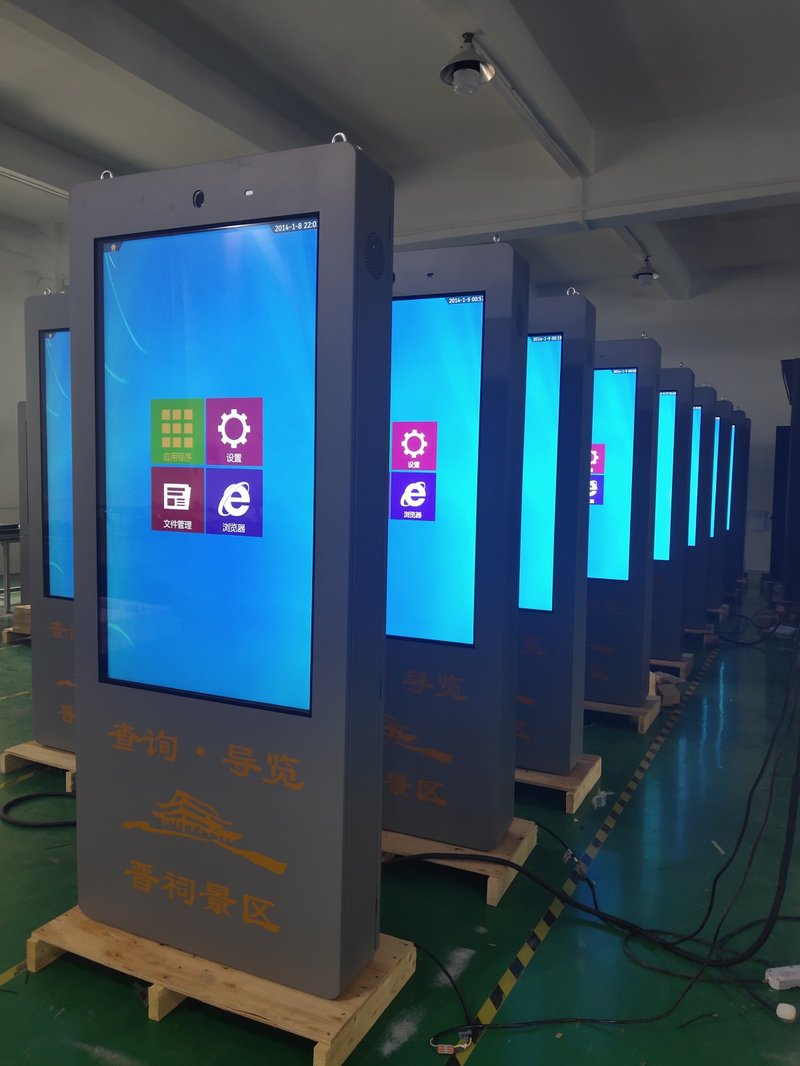
Deploying a high-performance Indoor vs Outdoor Digital Signage Displays provides commercial spaces and public venues with an all-weather digital display solution. As intelligent digital communication terminals, digital signage displays are extensively deployed across shopping malls, hotels, transit networks, corporate offices, exhibition halls, and residential communities.
Although both indoor and outdoor digital signage share the primary function of broadcasting dynamic images, high-definition videos, and commercial brand messaging, their divergent operational environments dictate profound engineering differences across display panel design, environmental ingress protection, thermal management, structural integrity, and operational reliability.
When selecting commercial digital signage, decision-makers must look beyond screen size and exterior aesthetics to select hardware specifically engineered for the target installation environment.
1. Vastly Different Operational Environments with a Indoor vs Outdoor Digital Signage Displays
Indoor digital signage operates in relatively benign, climate-controlled conditions, such as shopping mall interiors, hotel lobbies, corporate conference rooms, restaurants, and executive reception foyers.
These locations are shielded from direct solar radiation, precipitation, airborne dust storm exposure, and severe temperature fluctuations. Consequently, indoor display design prioritizes ultra-high resolution, interactive touch capabilities, slim bezels, and sleek aesthetic harmony with interior architecture.
Outdoor digital signage, conversely, is exposed to unmitigated, harsh environmental elements.
The hardware must endure continuous exposure to intense solar ultraviolet radiation, driving rain, airborne sand and dust, sub-zero winters, and scorching summer heat. This necessitates industrial-grade environmental resilience to ensure uninterrupted 24/7 operation across all weather extremes.
2. Significant Divergence in Screen Brightness
Display readability is one of the most glaring distinctions between indoor and outdoor commercial players.
Indoor ambient lighting is stable and controlled; standard commercial brightness levels (typically 350 to 700 cd/m²) provide crisp, vibrant visuals.
In outdoor environments, however, especially under direct midday solar exposure, conventional screens appear completely washed out, dark, and unreadable. Outdoor digital displays require ultra-high brightness panels—typically rated from 1,500 to 2,500+ cd/m²—to overcome ambient glare and deliver clear readability under direct sunlight.
Furthermore, required brightness varies depending on mounting orientation: architectural shade, semi-outdoor canopies, and unshaded open-air plazas each demand tailored optical specifications.
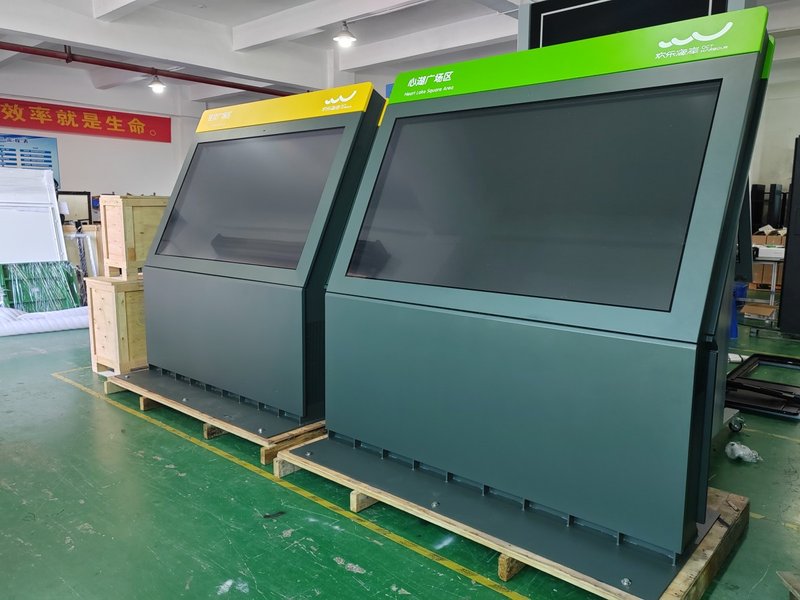
3. Disparity in Ingress Protection Capabilities
While indoor advertising displays emphasize visual elegance and user convenience, outdoor displays require rugged mechanical sealing.
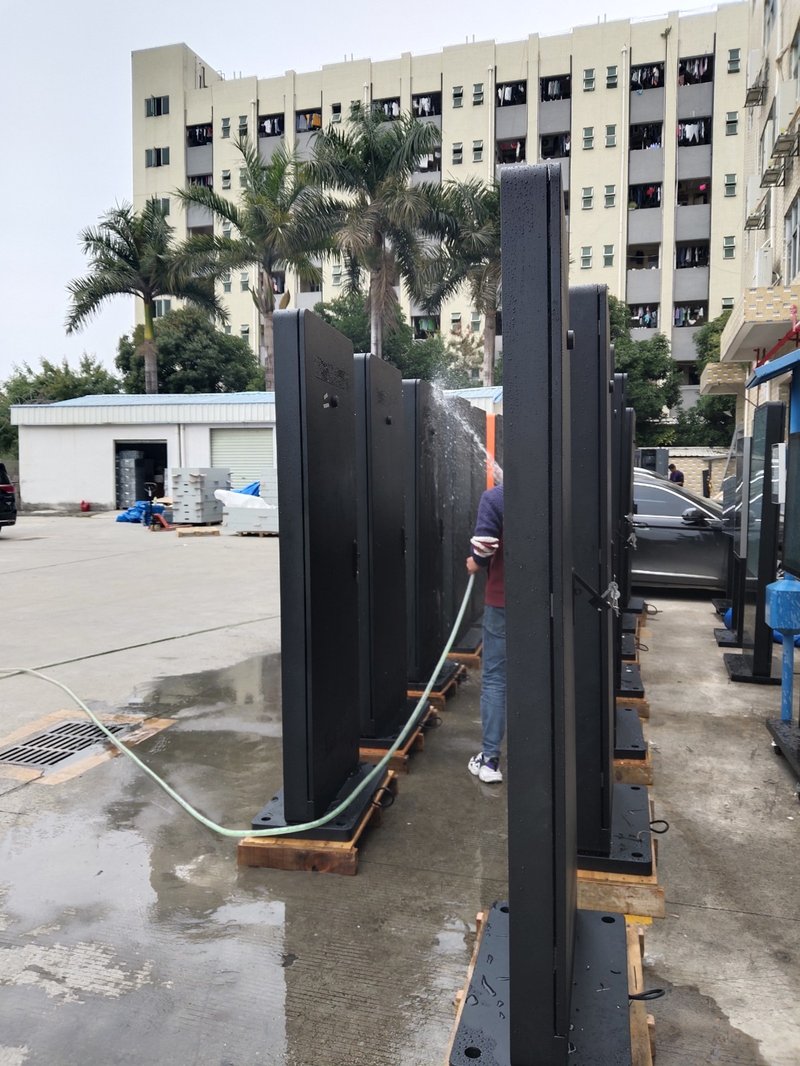
Outdoor units must completely prevent rain ingress while blocking airborne dust from reaching sensitive internal electronic components. This requires specialized structural engineering, silicone gasket sealing, and waterproof cable glands.
For instance, digital displays installed along open public avenues or pedestrian plazas must endure severe storms and winds, whereas semi-outdoor installations under transit canopies require protection calibrated for elevated humidity and airborne particulates.
4. Fundamental Divergence in Thermal Management Architecture
Electronic components and high-wattage power supplies continuously generate substantial heat during commercial operation.
In indoor spaces where ambient temperatures remain moderate, passive convection vents or quiet internal fans are sufficient to maintain safe operating temperatures.
Outdoor environments present severe thermal challenges: solar thermal radiation coupled with high summer ambient temperatures rapidly drives internal temperatures upward. Outdoor digital signage incorporates sophisticated thermal management systems—such as intelligent forced-air ventilation with labyrinth dust filtration, or closed-loop compressor air conditioning systems—to continuously regulate internal temperatures and eliminate LCD solar blackening (clearing defect).
5. Structural Engineering and Mechanical Robustness
Indoor digital signage prioritizes lightweight chassis profiles, ultra-slim bezels, and effortless installation to complement interior decor.
Outdoor digital signage emphasizes structural strength and physical security.
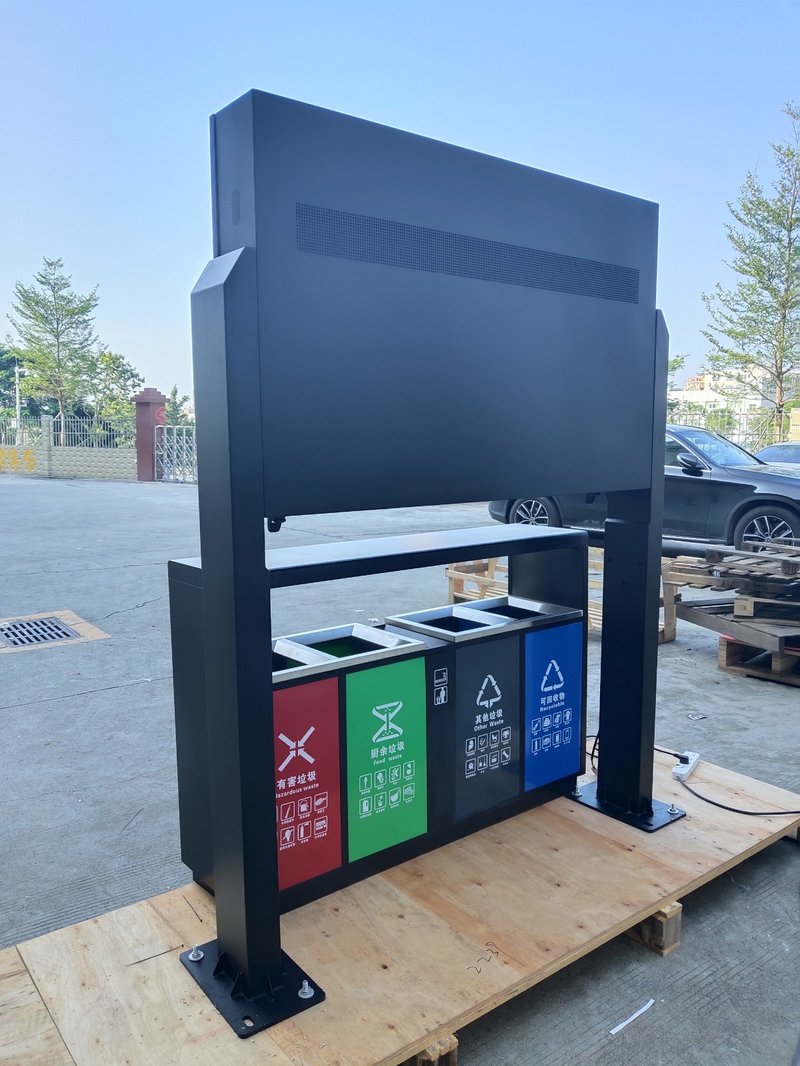
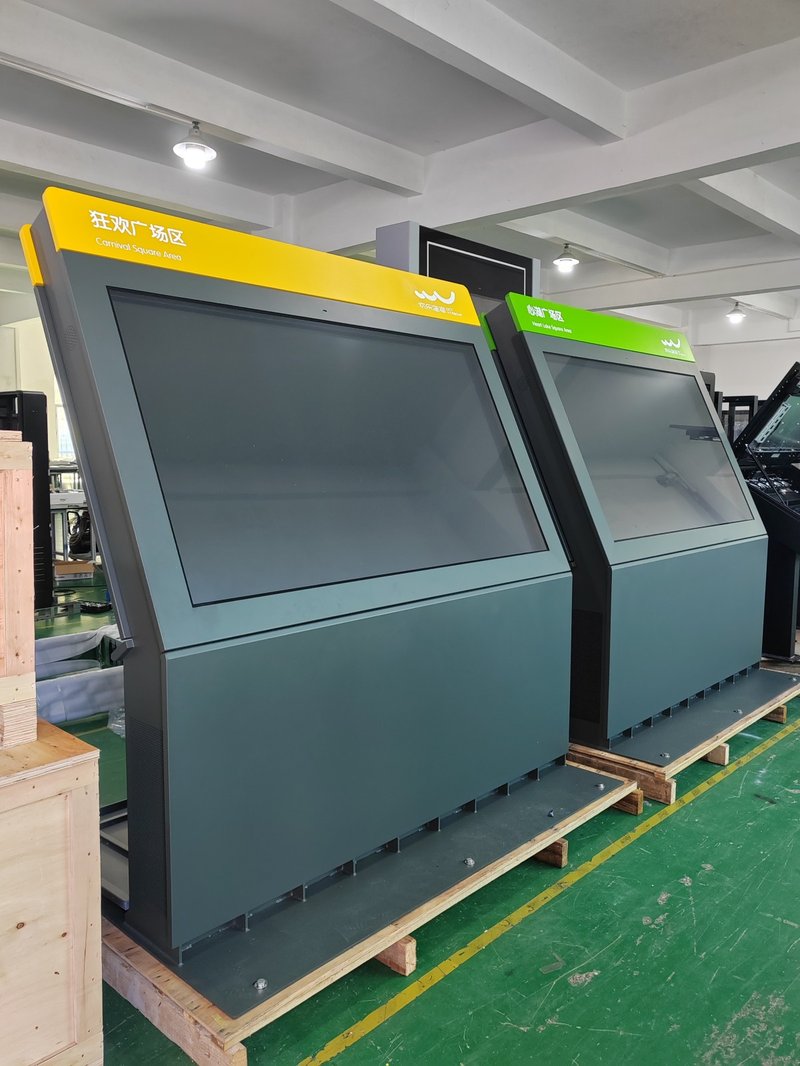
Freestanding outdoor kiosks require heavy-duty internal steel framing, deep foundation anchoring, and certified wind-load resistance (often engineered to withstand typhoon-force winds). Wall-mounted outdoor displays require heavy-duty structural brackets and rigorous wall load assessments.
Given their large dimensions and exposure to the public, outdoor enclosures incorporate heavy-duty galvanized steel (SGCC) or aluminum construction, IK10-rated vandal-resistant tempered glass, and internal anti-theft locking mechanisms.
6. Operational Reliability and Continuous Uptime Demands
Indoor displays operate in protected settings with minimal environmental stress.
Outdoor advertising kiosks, deployed in prominent commercial avenues or public transit plazas, are expected to operate continuously 24/7 under harsh conditions. Blackouts, system freezes, or visible display errors directly compromise advertising revenue and municipal brand perception.
Therefore, outdoor projects demand industrial-grade wide-temperature motherboards, surge-protected power modules, automated remote monitoring, and easy front-access maintenance architecture.
How to Choose the Right Commercial Display Solution
When selecting digital signage, clearly define the physical deployment environment first:
If installing in protected indoor venues, prioritize visual clarity, high screen resolution, interactive touch responsiveness, and aesthetic styling.
If installing in open-air environments, prioritize daylight-readable high brightness, IP-rated weatherproofing, robust thermal cooling systems, structural wind-load engineering, and continuous 24/7 reliability.
The most expensive or highest-spec display is not universally the best; only equipment properly matched to its operating environment will deliver optimal visual performance and maximum return on investment.
FAQ
Q1: Can an indoor commercial display be installed outdoors under an awning?
Generally no. Indoor displays lack ingress protection against rain, condensation humidity, airborne dust, and extreme temperature swings. Deploying indoor hardware outdoors inevitably leads to short circuits, screen blackening, or premature hardware failure.
Q2: Why are outdoor displays significantly brighter than indoor displays?
Outdoor displays must overcome intense direct sunlight and ambient reflection. Without high-nit brightness (1,500–2,500+ nits), the screen appears dark and illegible in daylight.
Q3: Which digital signage display should be selected for semi-outdoor environments?
This depends on environmental factors. If the location experiences direct sunlight, blowing rain, high humidity, or wide temperature swings, an outdoor-rated display with robust ingress protection and daylight readability should always be specified.
Q4: Does outdoor digital signage require periodic routine maintenance?
Yes. Regularly inspecting glass cleanliness, checking thermal ventilation filters, testing electrical and network connections, and verifying mounting fastener torque are essential for ensuring uninterrupted, long-term operation. In conclusion, selecting a professional Indoor vs Outdoor Digital Signage Displays guarantees long-term operational stability, superior sunlight readability, and maximum commercial impact.
Looking for customized Indoor vs Outdoor Digital Signage Displays solutions, high-brightness outdoor digital signage kiosks, or weatherproof commercial displays? Feel free to contact the ZXTLCD engineering team for detailed technical specifications, mounting drawings, and volume pricing.