Oct 14, 2026Installation & Maintenance
Professional Large-Screen Outdoor Kiosk Maintenance Techniques: Power, Filtering, and Module Care
Professional large-screen outdoor kiosk maintenance techniques: modular power supply testing, thermal cooling maintenance, and firmware updates.
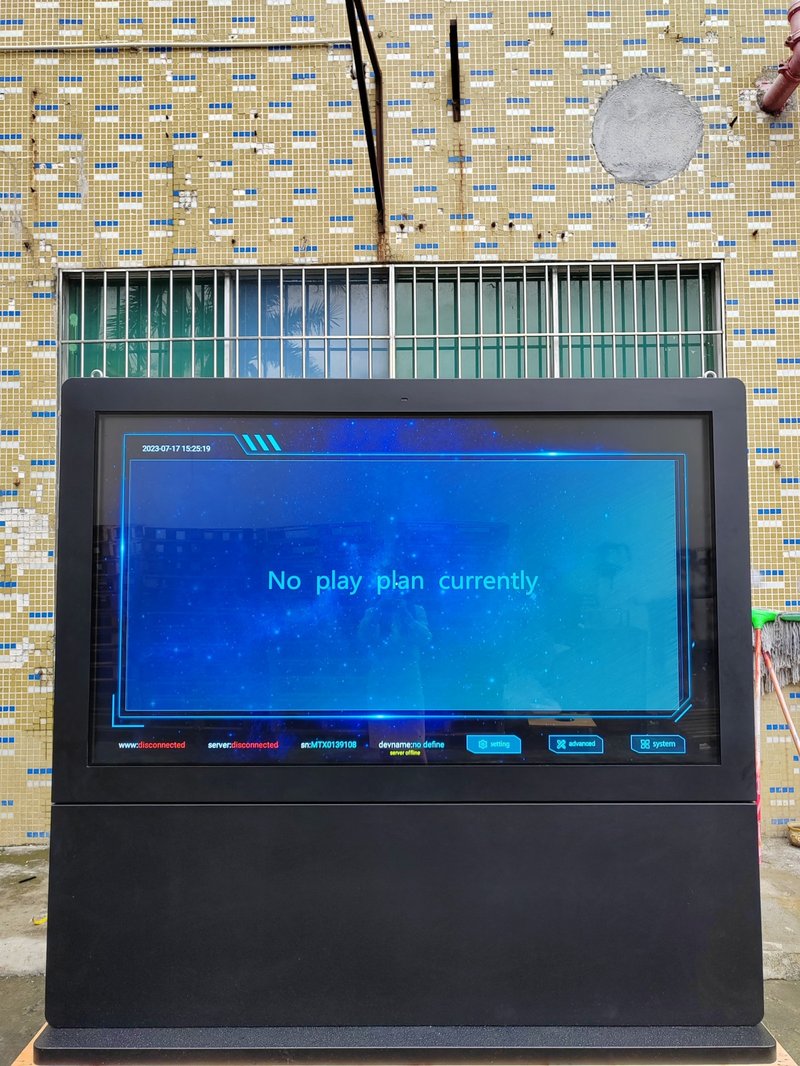
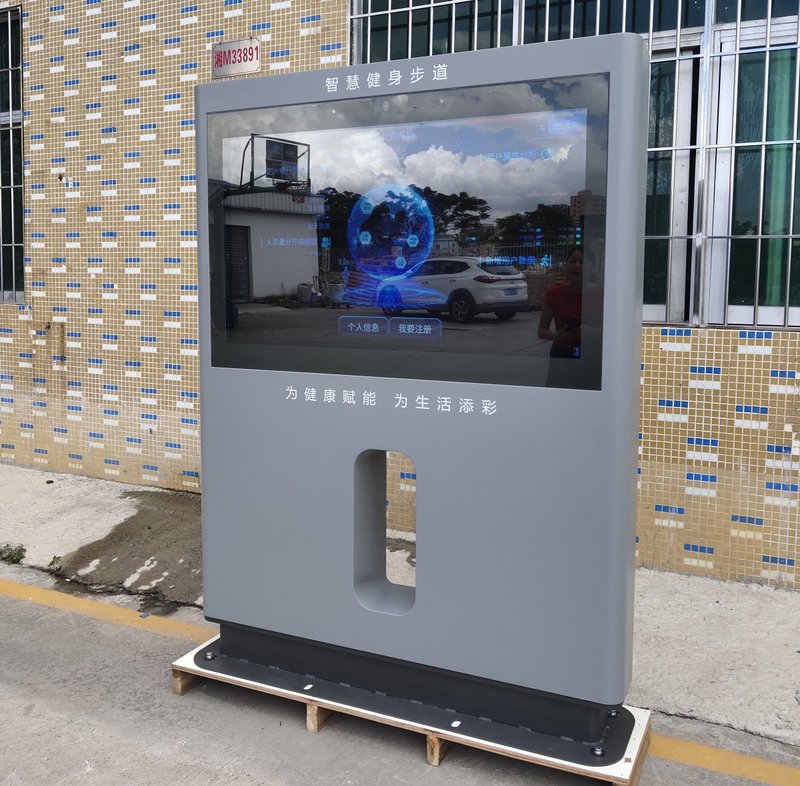
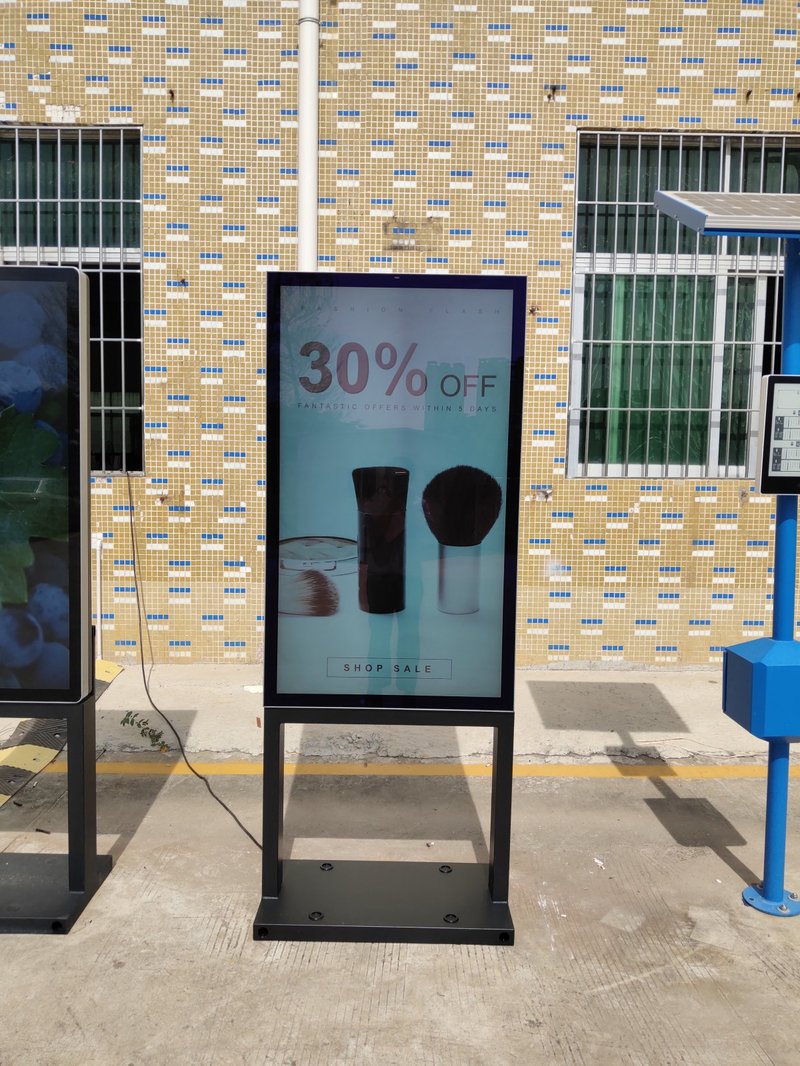
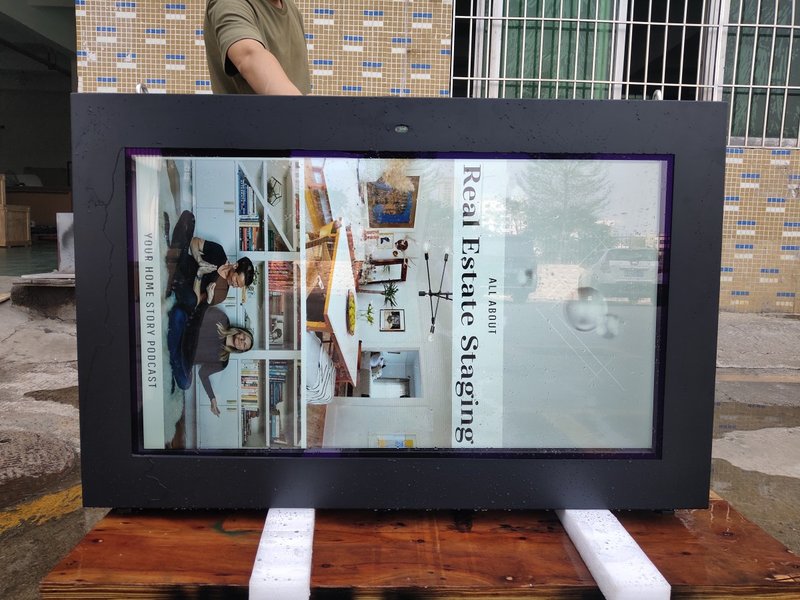
Deploying a high-performance Large-Screen Outdoor Kiosk Maintenance Techniques provides commercial spaces and public venues with an all-weather digital display solution. Large-screen outdoor advertising kiosks are widely deployed across high-impact commercial plazas, civic communication corridors, and public transit terminals. Because these large-format displays operate continuously in open outdoor environments, they are inevitably subjected to airborne dust, atmospheric moisture, temperature swings, and severe environmental stresses. Therefore, disciplined, scientific maintenance protocols are essential to preserving brilliant optical performance and maximizing hardware lifespan.
While maintaining outdoor kiosks involves managing more environmental variables than indoor commercial displays, adhering to standardized cleaning methodologies and routine diagnostic checks will significantly prevent operational anomalies and downtime.
Large-Screen Outdoor Kiosk Maintenance Techniques: 1. Cleaning and Surface Maintenance for Large-Screen Outdoor Kiosks
Before cleaning the front glass of an outdoor kiosk, always verify that the unit is powered off and electrically isolated. Use clean, ultra-soft optical microfiber wiping cloths.
When cleaning the protective front glass, never spray liquids or cleaning solutions directly onto the glass surface, as runoff can migrate past perimeter bezels and compromise sensitive internal electronics. Instead, lightly dampen a lint-free microfiber cloth with a pH-neutral optical cleaner to gently lift dust and surface smudges without scratching the protective glass.
For the kiosk's exterior powder-coated enclosure, strictly avoid caustic chemicals, abrasive pads, or aggressive industrial solvents to protect surface finishes from oxidation and corrosion. Regular wipe-downs with a damp cloth keep the cabinet clean and presentable.
2. Analyzing Display Interference Lines and Artifacts During Power Transitions
On certain outdoor digital kiosks, faint scan lines, horizontal interference patterns, or brief image flickering may momentarily appear on the display during boot-up or shutdown cycles.
This transient phenomenon is typically caused by instantaneous voltage stabilization curves, internal scalar handshake latency, or power sequencing across the backlight inverter and driver boards. If these artifacts appear only momentarily during startup and disappear immediately as the system normalizes, they represent normal electronic transient behavior rather than a hardware defect.
However, if visual artifacts, rolling horizontal bands, or flicker persist during normal media playback, inspect internal video signal cables (such as LVDS or eDP harnesses) and HDMI connections for loose seating. If adjustments in display settings do not rectify the problem, qualified service technicians should diagnose the unit—never attempt unauthorized chassis teardowns.
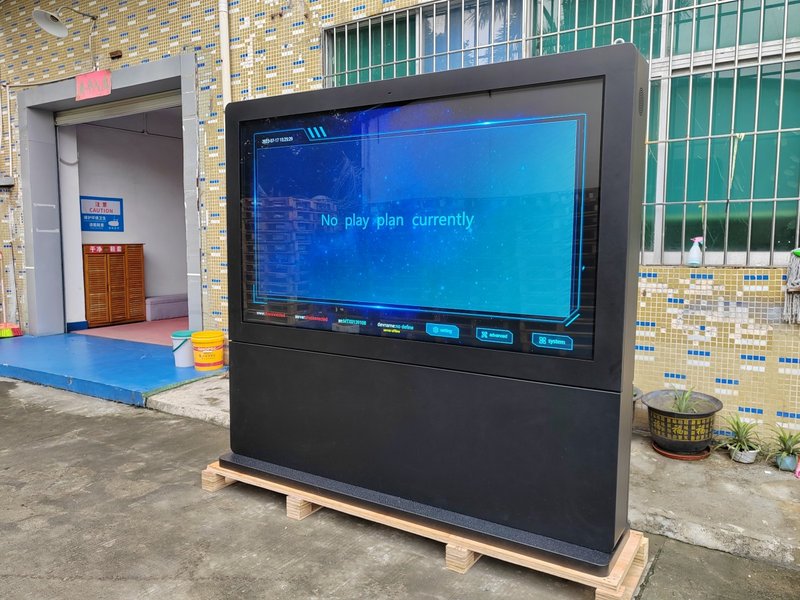
3. Essential Maintenance Precautions for Large-Screen Outdoor Displays
Always Disconnect Main Power Prior to Servicing:
Before performing screen cleaning, filter washing, or exterior cabinet maintenance, shut down the operating system properly and disconnect the main AC circuit breaker to eliminate electrical shock hazards.
Always clean optical glass using ultra-soft, lint-free microfiber textiles, avoiding rough paper towels or excessive manual pressure.
Match Installation Environments to Enclosure Ingress Protection:
Every outdoor kiosk must be deployed in environments that align with its engineered ingress protection (IP) rating and thermal specification.
If an entry-level outdoor kiosk lacks specialized environmental conditioning, avoid exposing it to continuous unbuffered water immersion or extreme microclimates. Selecting an installation site with appropriate architectural shelter or drainage significantly lowers environmental wear.
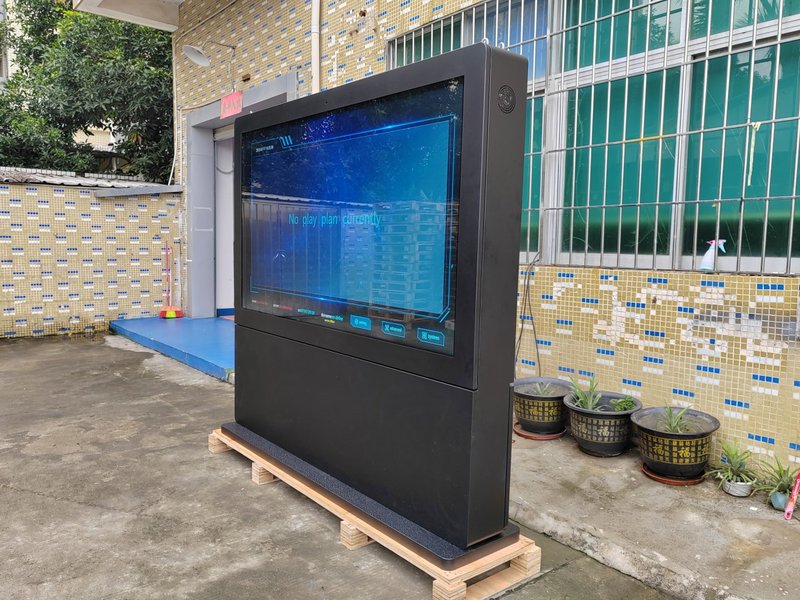
Keep Air Ventilation Ducts and Filters Unobstructed:
Operating continuously at high brightness generates substantial internal heat. Keeping thermal ventilation intake and exhaust paths clean is paramount.
During regular maintenance visits, inspect intake grilles, exhaust fans, and washable dust filter meshes to ensure they are free of leaves, paper litter, or dust mats. Furthermore, avoid placing outdoor displays in the immediate exhaust path of external HVAC condensing units.
Strictly Avoid Unauthorized Field Disassembly:
Large-format outdoor digital kiosks integrate high-voltage power supplies, sensitive commercial LCD panels, high-nit LED backlights, and embedded microcomputers.
In the event of hardware malfunction, non-certified personnel must never dismantle internal chassis assemblies, as improper handling risks structural damage, seal compromises, or severe electrical shock. Always troubleshoot via manufacturer diagnostic software and engage authorized factory technicians for internal repairs.
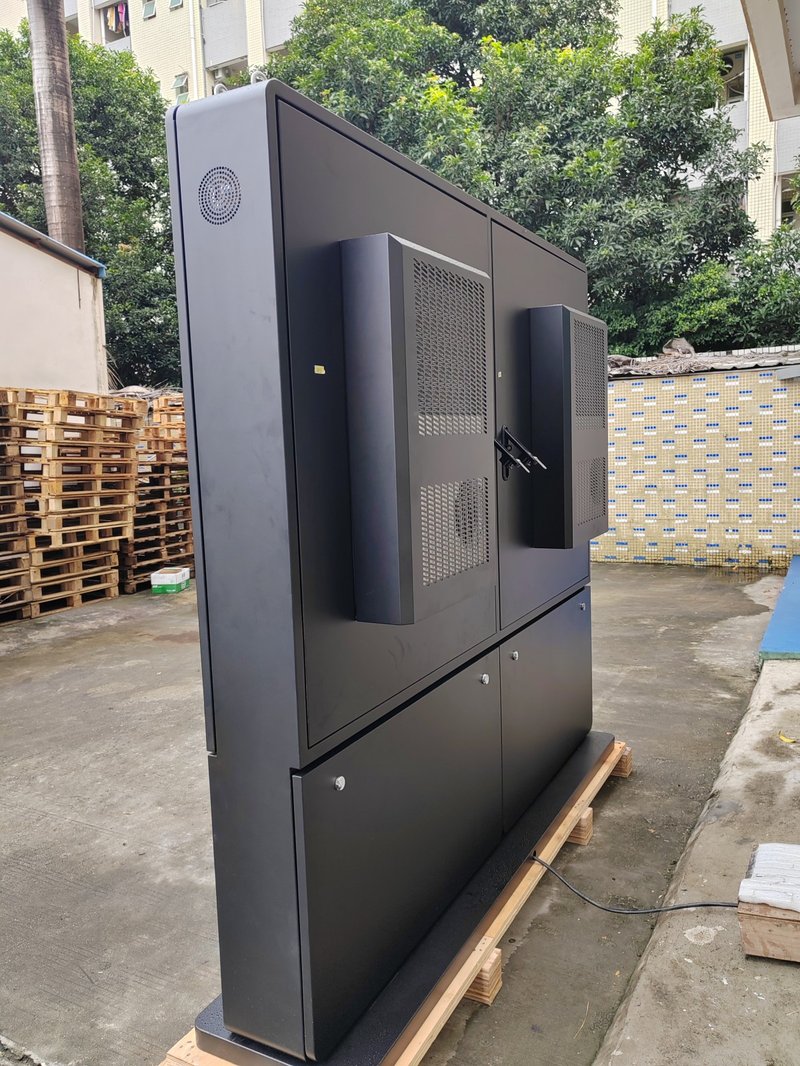
Maintain a Clean, Regulated Power Supply:
A stable electrical power infrastructure is the lifeblood of long-term commercial display reliability.
If site utility power exhibits voltage spikes, brownouts, or surges, install commercial-grade surge protection devices (SPDs), voltage stabilizers, or online uninterruptible power supplies (UPS).
Additionally, avoid sharing circuit branches with heavy industrial machinery, high-tonnage HVAC compressors, or inductive electric motors to prevent harmonic interference and power anomalies from disrupting the display.
4. Establishing a Systematic Preventative Maintenance Schedule
Holistic maintenance of outdoor advertising kiosks extends beyond cosmetic glass cleaning. A complete preventative regimen includes inspecting enclosure seals, checking structural anchor bolts, evaluating internal cooling fans, and verifying remote telemetry health.
By regularly monitoring hardware parameters and addressing minor issues proactively, operators can guarantee 24/7 display reliability and ensure continuous advertising revenue.
Conclusion
Large-screen outdoor advertising kiosks represent high-value visual communication infrastructure that thrives on scientific, proactive maintenance. Standardized cleaning protocols, suitable operating environments, and stable power management are the foundational pillars of long-term visual brilliance.
ZXTLCD delivers commercial display hardware and custom engineering solutions tailored for diverse outdoor environments. Backed by extensive experience across commercial retail, public transit, and smart city infrastructure, we engineer rugged, high-brightness outdoor displays designed for dependable, long-term visual performance. In conclusion, selecting a professional Large-Screen Outdoor Kiosk Maintenance Techniques guarantees long-term operational stability, superior sunlight readability, and maximum commercial impact.
Looking for customized Large-Screen Outdoor Kiosk Maintenance Techniques solutions, high-brightness outdoor digital signage kiosks, or weatherproof commercial displays? Feel free to contact the ZXTLCD engineering team for detailed technical specifications, mounting drawings, and volume pricing.