Oct 14, 2026Installation & Maintenance
Wall-Mounted Outdoor LCD Advertising Displays: Critical Wall Load, Bracket, and Cable Precautions
Key wall-mounted outdoor LCD advertising display precautions: structural wall load capacity, waterproof bracket anchoring, and neat cable management tips.
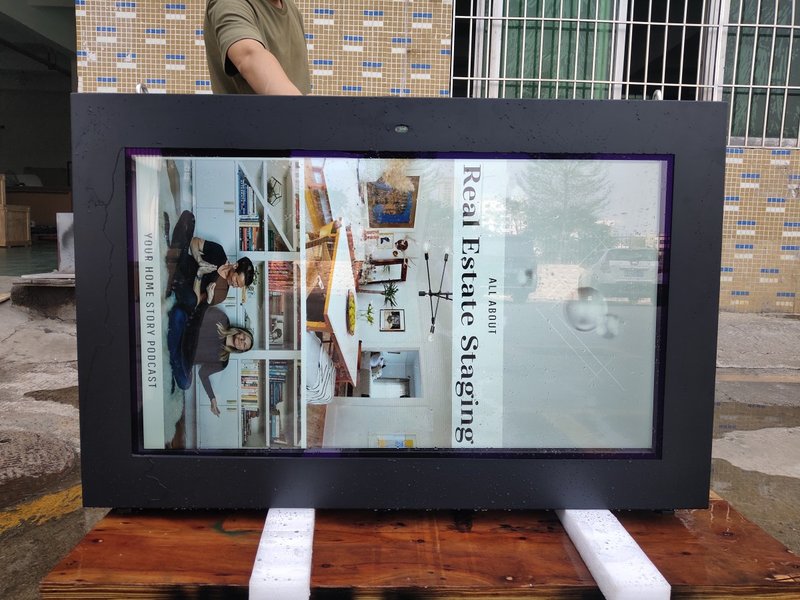
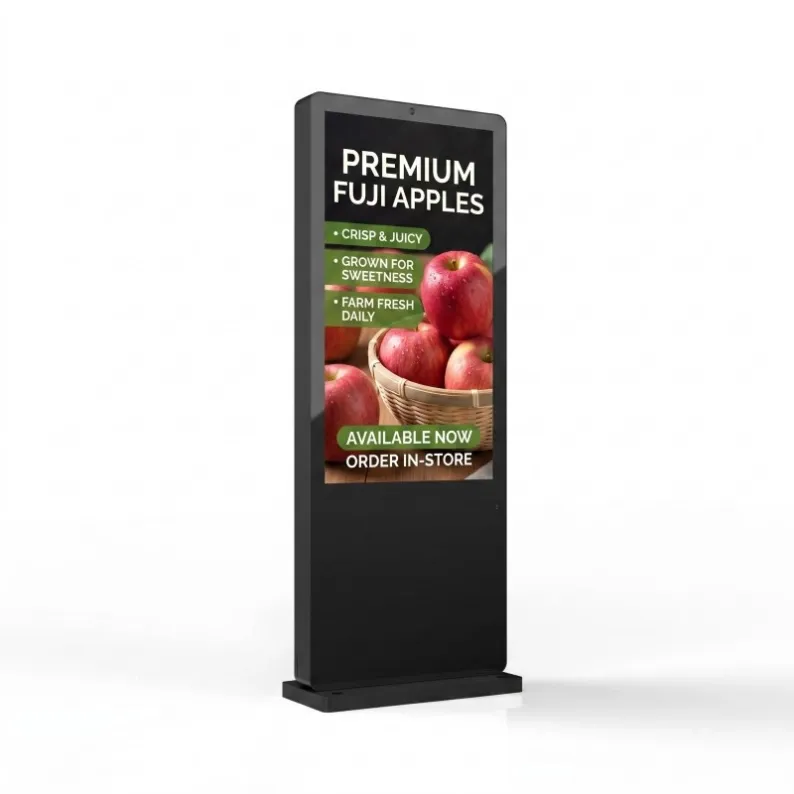
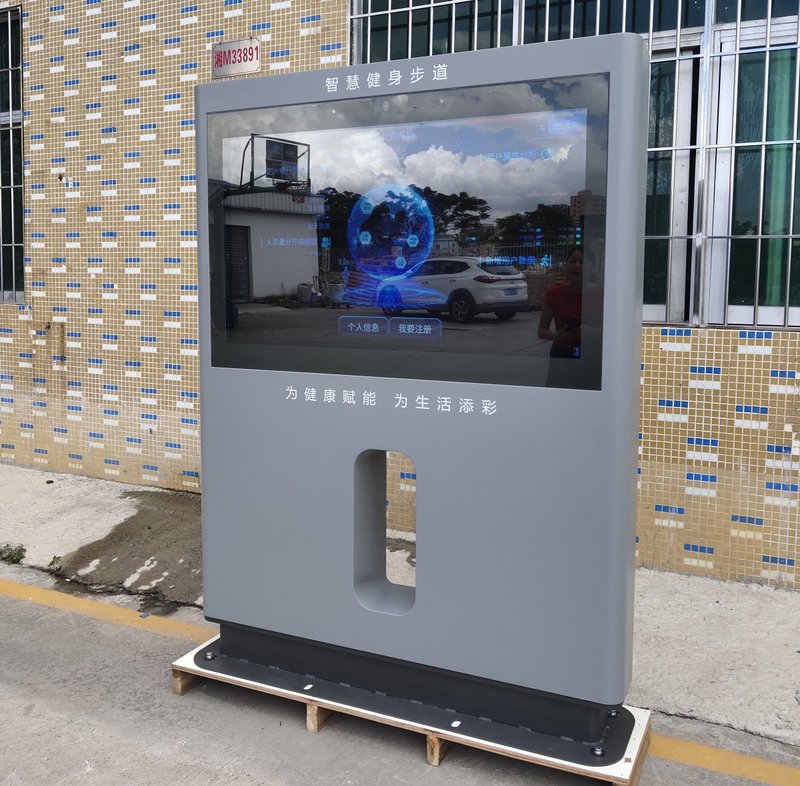
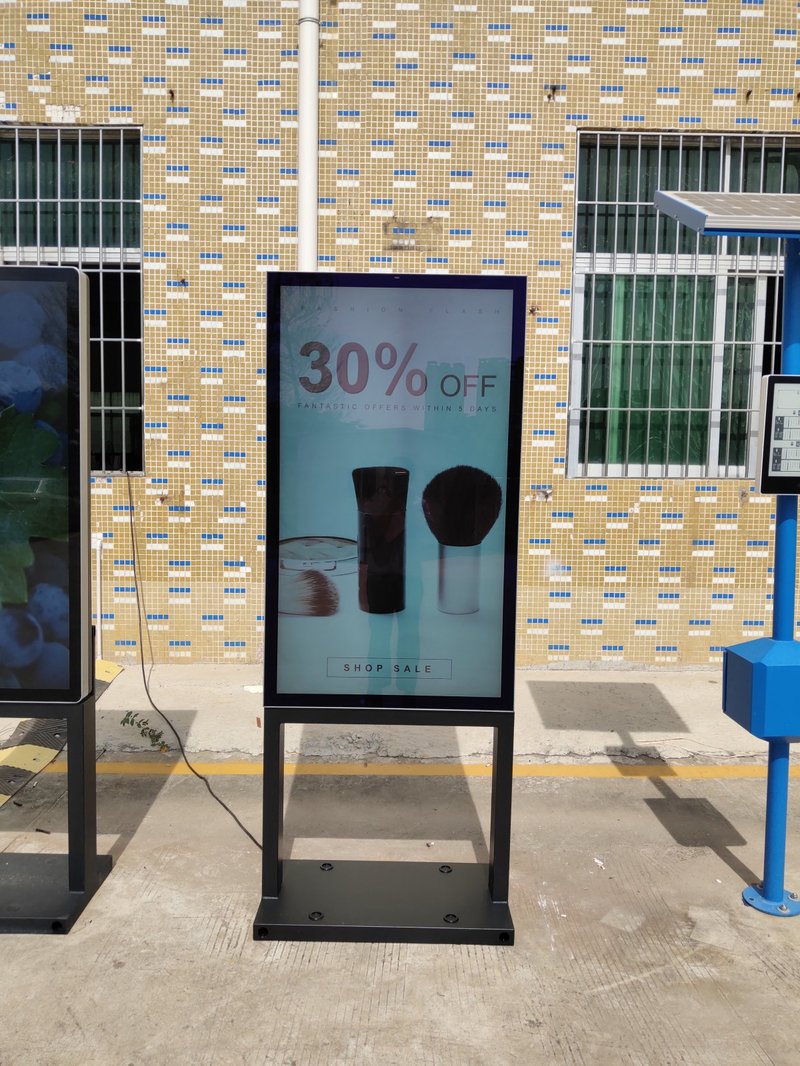
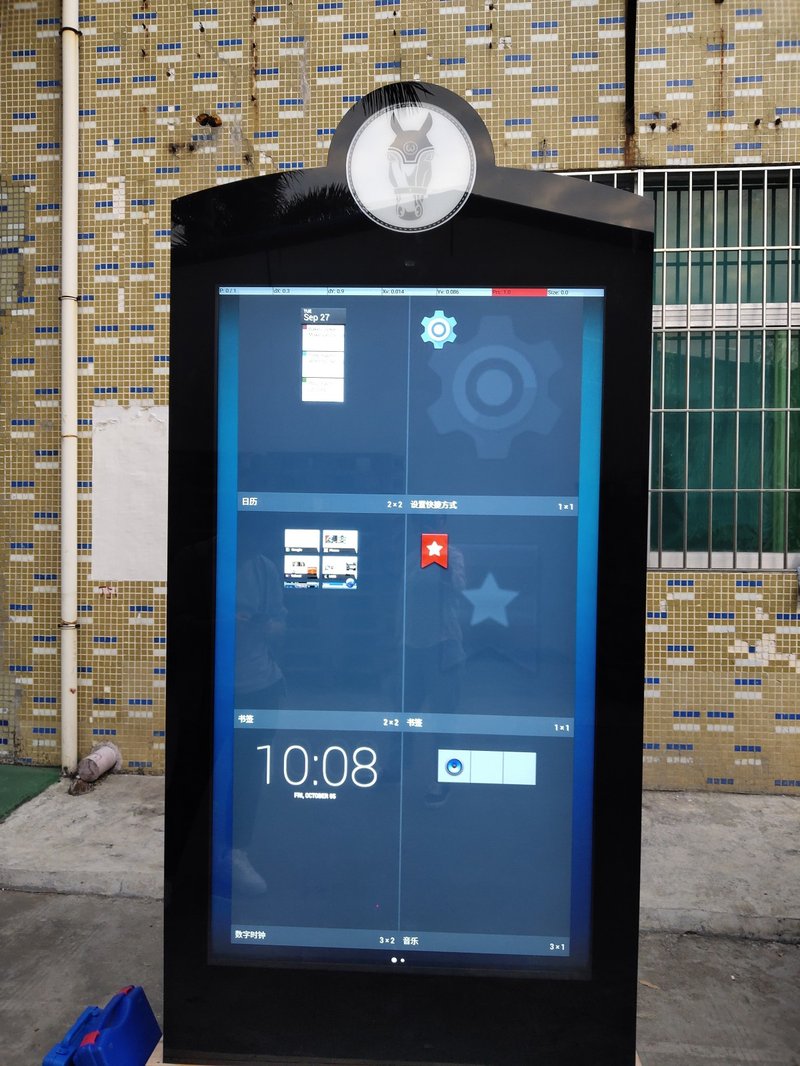
Deploying a high-performance Wall-Mounted Outdoor LCD Advertising Display provides commercial spaces and public venues with an all-weather digital display solution. Wall-mounted LCD advertising displays are extensively utilized across shopping malls, hotels, restaurants, corporate lobbies, airports, transit stations, and exhibition halls due to their space-saving footprint and direct, eye-level visual presentation. Compared to floor-standing units, wall mounting maximizes vertical wall space, enabling digital displays to integrate harmoniously into the surrounding architectural environment.
However, installing a wall-mounted LCD advertising display involves far more than simply bolting hardware onto a wall. Wall structural integrity, mounting bracket strength, device weight, operational environmental factors, and service access space all critically dictate long-term system stability. Therefore, comprehensive planning prior to installation is essential.
Wall-Mounted Outdoor LCD Advertising Display: 1. Verify That the Wall Structure Meets Load-Bearing Requirements
A wall-mounted LCD advertising display relies entirely on the structural wall and mounting bracket to support its total weight over years of operation. Consequently, wall structural soundness is of paramount importance.
In general, solid concrete walls and dense solid-brick walls provide optimal structural foundations, delivering exceptional anchoring stability.
If the intended installation location features lightweight partition walls, hollow cinder blocks, gypsum plasterboard (drywall), or thick decorative claddings, a rigorous structural load assessment must be conducted beforehand. Where necessary, internal reinforcement frameworks or through-wall backing plates must be installed to prevent loosening, sag, or detachment over prolonged usage.
Additionally, verify the flatness of the wall surface prior to mounting to prevent display tilting or bezel distortion, which can degrade viewing aesthetics.
2. Select the Appropriate Wall-Mounting Bracket
The mounting bracket serves as the critical structural bridge connecting the advertising display to the wall; its engineering quality directly dictates overall installation safety and stability.
Depending on application requirements, brackets generally fall into fixed-mount brackets and articulating/tilt-adjustable brackets:
Fixed-mount brackets feature a streamlined, rigid profile, ideal for permanent, standardized viewing heights.
Tilt-adjustable or articulating brackets allow operators to optimize viewing angles and combat glare, making them particularly well suited for elevated placements or dynamic viewing environments.
When selecting a bracket, ensure its rated load capacity exceeds the total weight of the display with an adequate safety factor. Simultaneously, verify the integrity of all heavy-duty wall anchors, locking screws, and safety retaining bolts.
For large-format commercial displays, long-term fatigue strength and mechanical shear load must be prioritized rather than merely checking initial fitment.
3. Reserve Sufficient Ventilation and Service Access Clearances
LCD advertising displays generate internal heat during continuous commercial operation. Therefore, displays must not be mounted flush against the wall without airflow channels; adequate clearance must be maintained according to the manufacturer's chassis specifications to facilitate uninhibited natural convection or fan-driven air exchange.
Obstructing rear or side ventilation vents can induce thermal buildup, impairing internal electronics and shortening component lifespan.
Furthermore, installation positioning must account for future maintenance accessibility. Ensure power receptacles, network ports, USB interfaces, and media player modules remain accessible for routine servicing, preventing scenarios where routine maintenance requires dismounting the entire heavy assembly.
4. Avoid Damp, High-Humidity, or High-Interference Environments
Commercial LCD advertising displays are engineered primarily for dry, well-ventilated environments. Mounting locations should avoid areas prone to persistent moisture, water vapor condensation, rainwater ingress, or elevated humidity levels.
If the display is installed in restaurant dining zones, kitchen proximities, building vestibules, or semi-outdoor transitional spaces, appropriate environmental ingress protection must be implemented.
Concurrently, avoid placing the display adjacent to high-power electromagnetic interference sources—such as heavy industrial electric motors, high-frequency transmitters, or high-voltage switchgear—to prevent signal noise, video distortion, or communication dropouts.
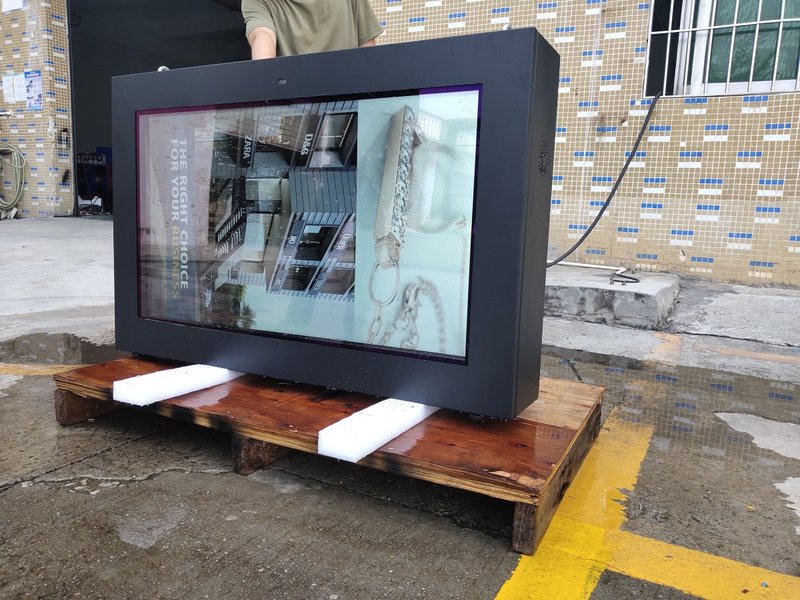
5. Plan Power Supply and Cable Routing Strategically
Prior to mounting the display, power distribution and network cabling infrastructure must be thoroughly planned.
Wiring should be organized cleanly, securely, and routed within protective conduits, preventing cables from being pinched, strained, or crushed behind the chassis. In premium commercial interiors where visual aesthetics are paramount, recessed junction boxes and concealed in-wall conduit channels should be designed to achieve a clean, cable-free aesthetic.
For multi-screen commercial deployments, calculate total electrical load capacity and verify network bandwidth distribution in advance to ensure all displays operate synchronously without voltage drops or network bottlenecks.
6. Conduct Comprehensive Post-Installation Functional Commissioning
Once the display is securely mounted, execute a systematic commissioning checklist:
Visual display inspection: verify color fidelity, uniform backlighting, and absence of dead pixels;
Touch responsiveness: test calibration accuracy and multi-touch sensitivity (if equipped with interactive touch panels);
Network connectivity: verify stable Ethernet or Wi-Fi throughput;
Content playback: confirm smooth decoding across varied media formats without stuttering;
Interface and power connections: ensure all plugs, cables, and terminal connections are firmly seated.
Conducting rigorous functional testing prior to official commissioning allows immediate resolution of installation issues, ensuring flawless ongoing commercial operation.
FAQ
Q1: Can a wall-mounted LCD advertising display be installed on a drywall (gypsum plasterboard) partition?
Yes, but only with proper structural reinforcement. Standard drywall partitions cannot bear the sustained cantilever weight of commercial displays alone. The installation requires anchoring directly into interior structural metal/wood studs or installing dedicated load-bearing backing plates.
Q2: Is it mandatory to leave ventilation clearance behind a wall-mounted advertising display?
Yes. Providing adequate thermal ventilation clearance is essential for preventing internal heat buildup and ensuring long-term operational stability. It also facilitates easier access during maintenance and inspection.
Q3: How should I choose the right mounting bracket for a commercial wall-mounted display?
Select a bracket based on screen size, overall weight, installation environment, and desired viewing angle, verifying that the bracket's certified weight rating and VESA pattern fully align with the display's specifications.
Q4: Does a wall-mounted advertising display require ongoing maintenance after installation?
Yes. Routine maintenance includes inspecting device operational status, checking cable firmness, cleaning the screen surface, and verifying the structural tightness of wall fasteners to preemptively detect any anomalies. In conclusion, selecting a professional Wall-Mounted Outdoor LCD Advertising Display guarantees long-term operational stability, superior sunlight readability, and maximum commercial impact.
Looking for customized Wall-Mounted Outdoor LCD Advertising Display solutions, high-brightness outdoor digital signage kiosks, or weatherproof commercial displays? Feel free to contact the ZXTLCD engineering team for detailed technical specifications, mounting drawings, and volume pricing.