Aug 28, 2026Buying Guides
Evaluating the Lifetime Cost of an Outdoor Digital Signage Solution
Compare acquisition, installation, energy, maintenance and downtime before selecting an outdoor digital signage solution.
Evaluating the Lifetime Cost of an Outdoor Digital Signage Solution
Two outdoor display proposals with similar size and headline specifications can produce very different lifetime costs. Purchase price is only the starting point. Foundations, lifting, power, network, energy, scheduled service, parts, fault response and downtime continue after delivery. A fair comparison uses the same operating period and site conditions for both initial and recurring cost. The outdoor digital signage solution plan should define a measurable starting condition.
Cost One: Installation Beyond the Equipment
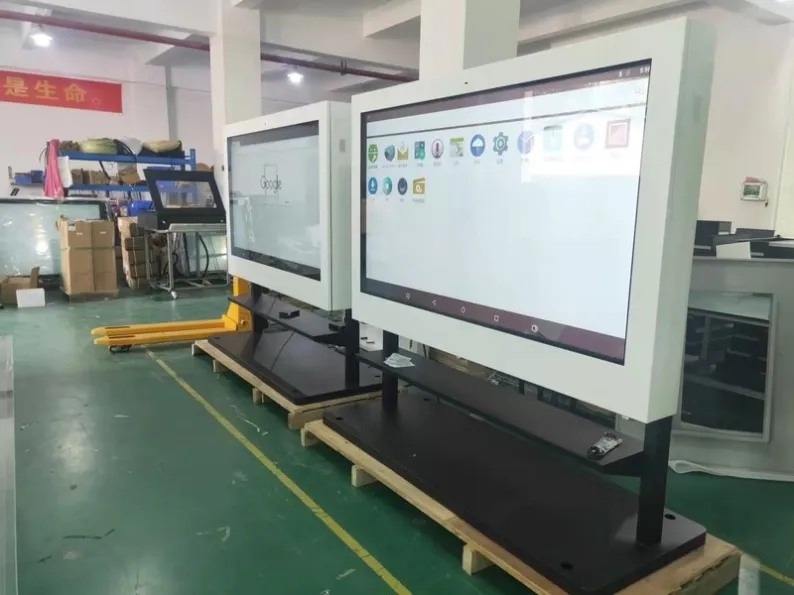
Foundations, brackets, structural review, lifting, transport, access restrictions, power and network work affect initial investment. Wall mounting may reduce ground work while adding reinforcement and elevated access; a standing cabinet is independent but needs secure anchoring and drainage. Compare included scope so a low equipment price is not offset by later construction change.
Document operating period, frequency, price and responsibility assumptions so every proposal uses the same comparison basis. Complete an actionable result for cost one: installation beyond the equipment before changing several other conditions at once.
Cost Two: Energy and Thermal Operation
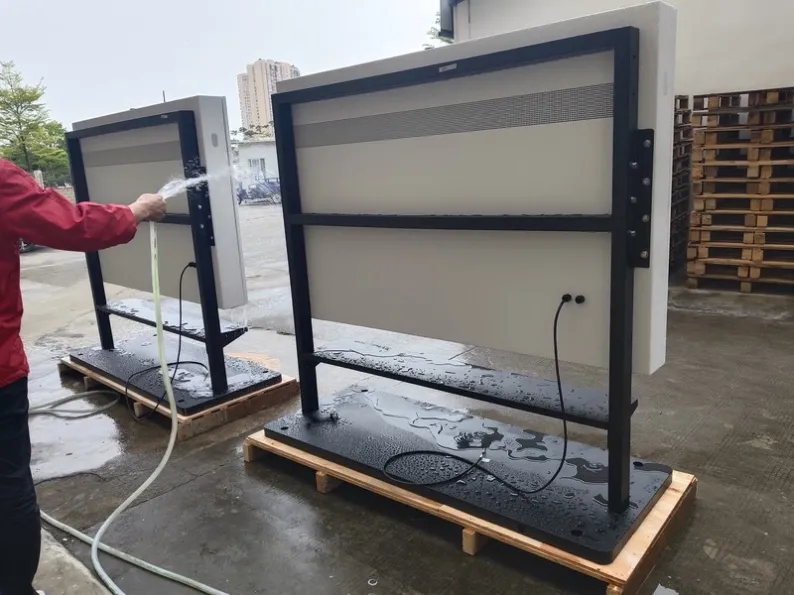
High-output backlighting and thermal management are major recurring loads. Automatic dimming, airflow efficiency, correctly sized cooling and operating schedules change energy use at the same readability target. Use expected hours, local tariff and seasonal conditions rather than maximum rated power alone. Poor maintenance can also force cooling to run at high load.
Document operating period, frequency, price and responsibility assumptions so every proposal uses the same comparison basis. Complete an actionable result for cost two: energy and thermal operation before changing several other conditions at once.
Cost Three: Service Access and Planned Downtime
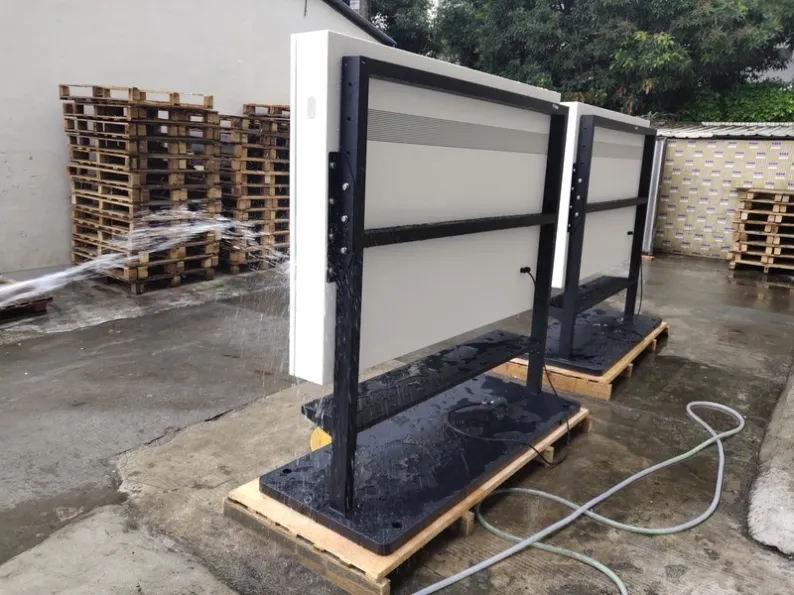
Access to filters, fans, power modules, controllers and locks directly affects service labor. A location requiring road closure, scaffolding or removal of architectural panels costs more per visit. Safe service direction, replacement clearance and remote diagnosis reduce repeat attendance and unnecessary disassembly.
Document operating period, frequency, price and responsibility assumptions so every proposal uses the same comparison basis. Complete an actionable result for cost three: service access and planned downtime before changing several other conditions at once.
Cost Four: Parts, Repair Time and Supply Continuity
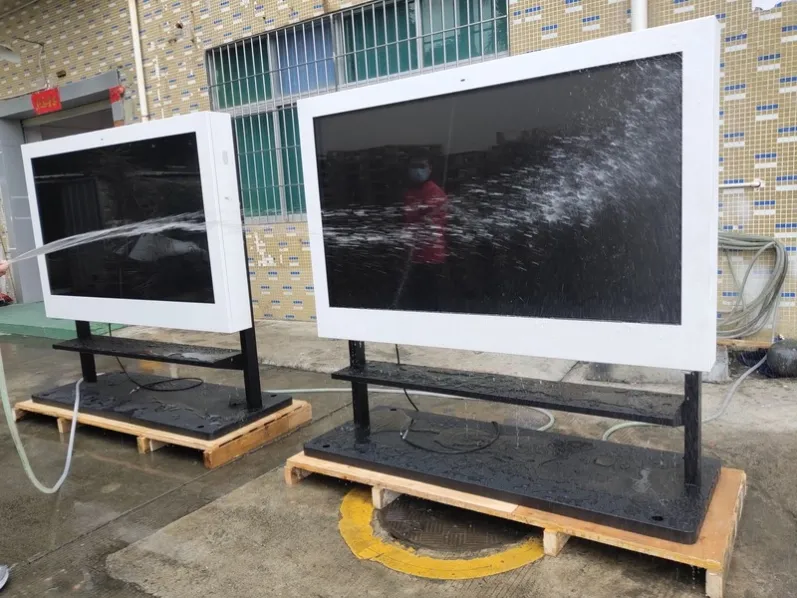
Confirm common parts, expected lead times, field-replaceable modules and technical support. A lower-cost proposal with long critical-part lead time may create greater downtime after failure. A parts strategy does not require storing everything; stock according to impact, replacement time and fleet size.
Document operating period, frequency, price and responsibility assumptions so every proposal uses the same comparison basis. Complete an actionable result for cost four: parts, repair time and supply continuity before changing several other conditions at once.
Cost Five: Business Impact of Content Interruption
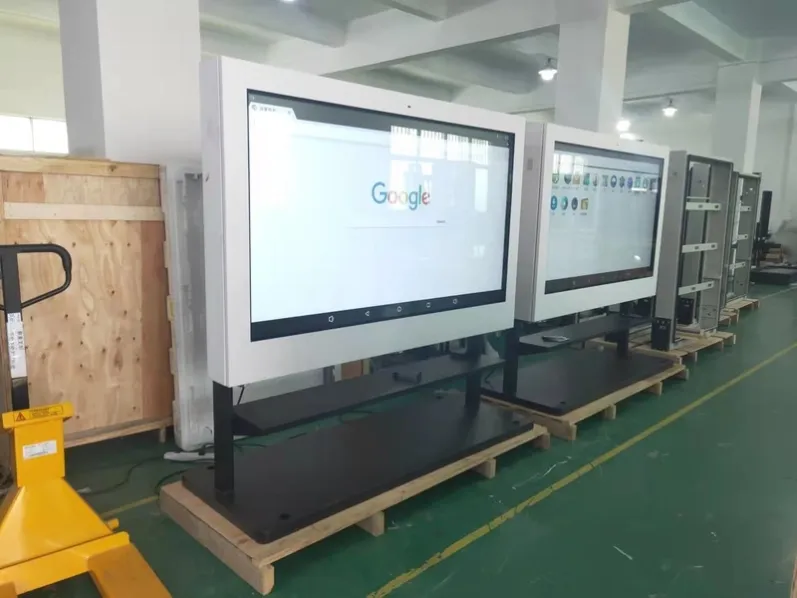
Downtime includes more than a repair invoice. It can mean missed campaigns, unavailable public information, weaker brand experience and staff time. A transit information point and a routine promotional screen should not share one response level. Set monitoring, contingency, response time and escalation according to business importance. The outdoor digital signage solution review should retain evidence for later comparison.
Document operating period, frequency, price and responsibility assumptions so every proposal uses the same comparison basis. Complete an actionable result for cost five: business impact of content interruption before changing several other conditions at once.
Compare Proposals Over the Same Period
Summarize equipment, construction, energy, service, parts and downtime risk over three years, five years or the expected project life, documenting every assumption. Sensitivity analysis can test higher energy price, more frequent service or harsher exposure. Numbers need not pretend to be perfectly precise, but the comparison basis must be consistent.
Document operating period, frequency, price and responsibility assumptions so every proposal uses the same comparison basis. Complete an actionable result for compare proposals over the same period before changing several other conditions at once.
Make the Lifetime Decision
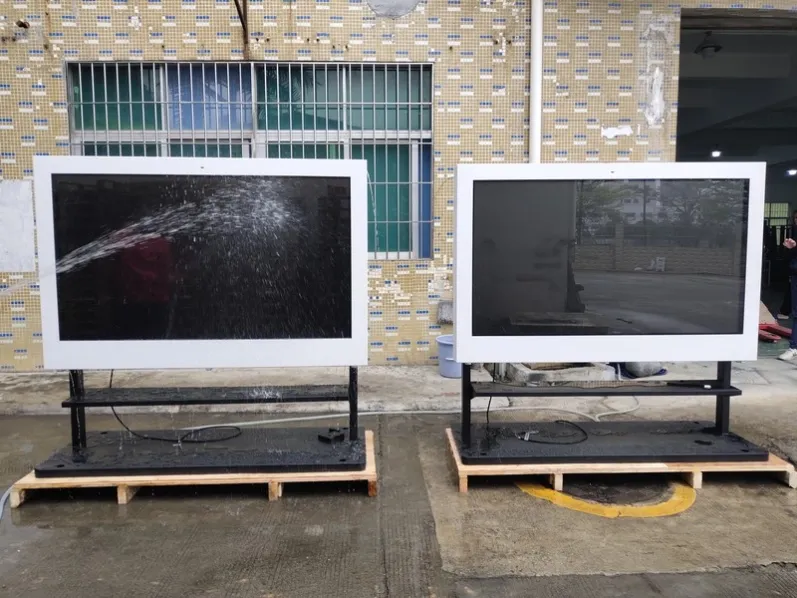
When evaluating an outdoor digital signage solution, ask how it will be installed and cooled, who will maintain it, how common parts are replaced, how faults are detected and how quickly service can recover. A maintainable structure, sensible controls and clear parts plan may not have the lowest initial price but can reduce long-term uncertainty. Lifetime costing selects the more controllable option, not simply the cheapest one.
Review the lifetime model with actual data. After the first year, replace estimates with measured energy, service labor, parts and downtime and update the remaining budget. If one type of site remains expensive, determine whether access, exposure, component choice or interval is responsible. At scale, common parts, consistent training and remote monitoring can reduce unit cost, but include subscriptions, connectivity and management effort so cost is not merely moved between categories.
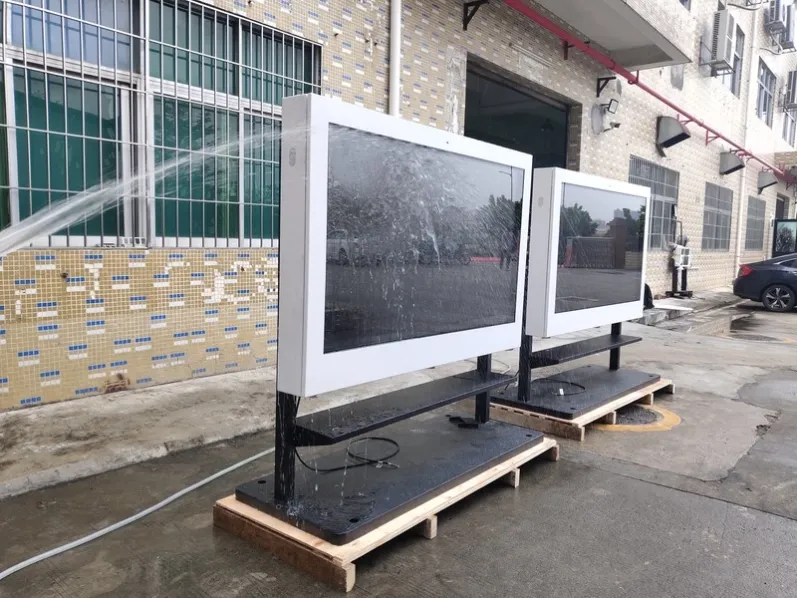
Write the major assumptions into the commercial and technical record, including operating hours, service frequency, response time and parts responsibility. Update the budget when actual operation differs. The model then supports not only initial selection but also upgrade timing, site improvement and configuration choices for the next rollout.
Lifetime analysis should retain non-price factors such as safety, brand impact, public-information responsibility and technician access. They may not convert neatly into currency, but they materially change risk and belong beside the financial result. The outdoor digital signage solution result should be verified before the task is closed.
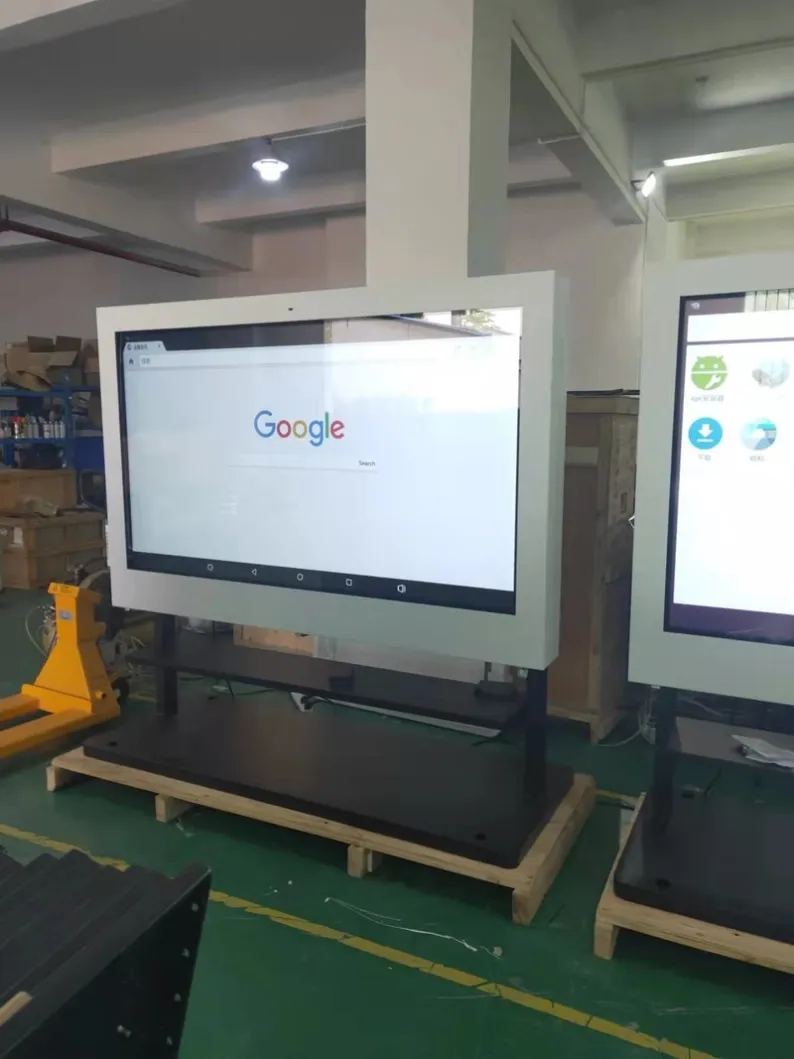
Before confirming this outdoor digital signage solution project, document site photographs, orientation, operating hours, local power, viewing distance and maintenance access. Keep the same information with later inspection results so the original assumptions can be reviewed when conditions change.