Aug 27, 2026Buying Guides
Maintaining an Outdoor Digital Signage Kiosk in Public Locations
Plan safe installation, cleaning, cooling, access control and content checks for an outdoor digital signage kiosk in a public space.
Maintaining an Outdoor Digital Signage Kiosk in Public Locations
An outdoor digital signage kiosk in a shopping street, transit area, campus or public-service zone must cope with weather and continuous pedestrian activity. Maintenance is shaped not only by product specifications but also by foundation condition, circulation safety, unauthorized access, content continuity and the way local staff operate the equipment.
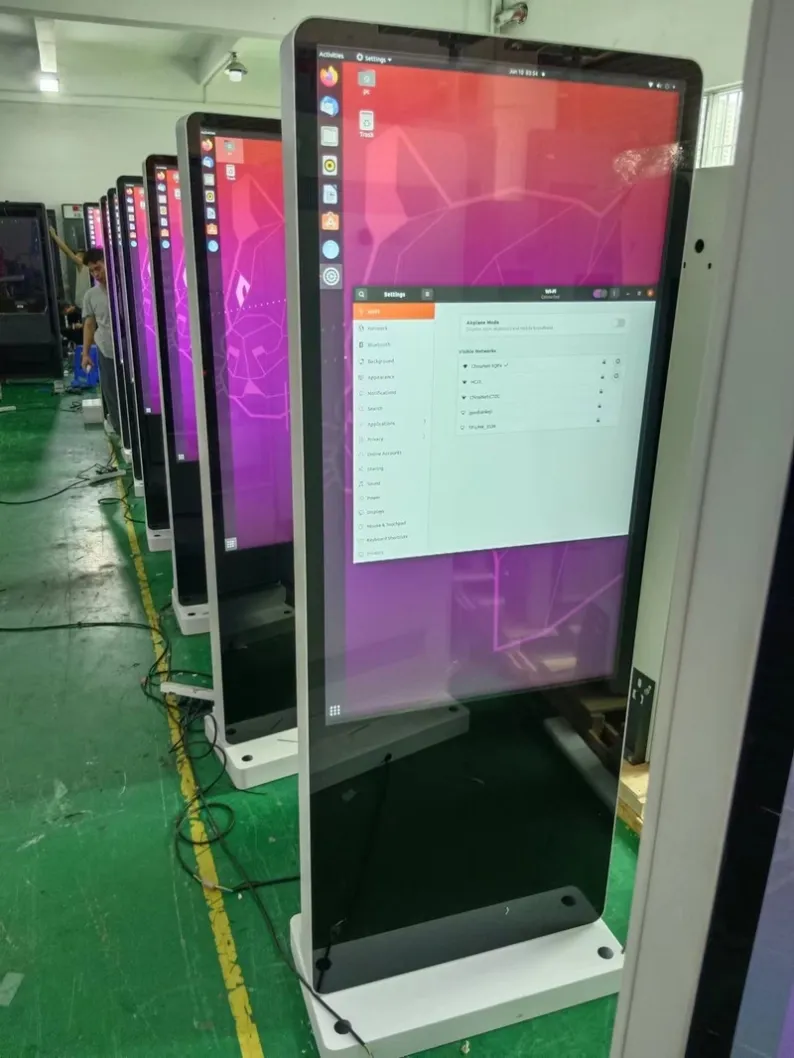
Site Staff: Observe, Record and Isolate Safely
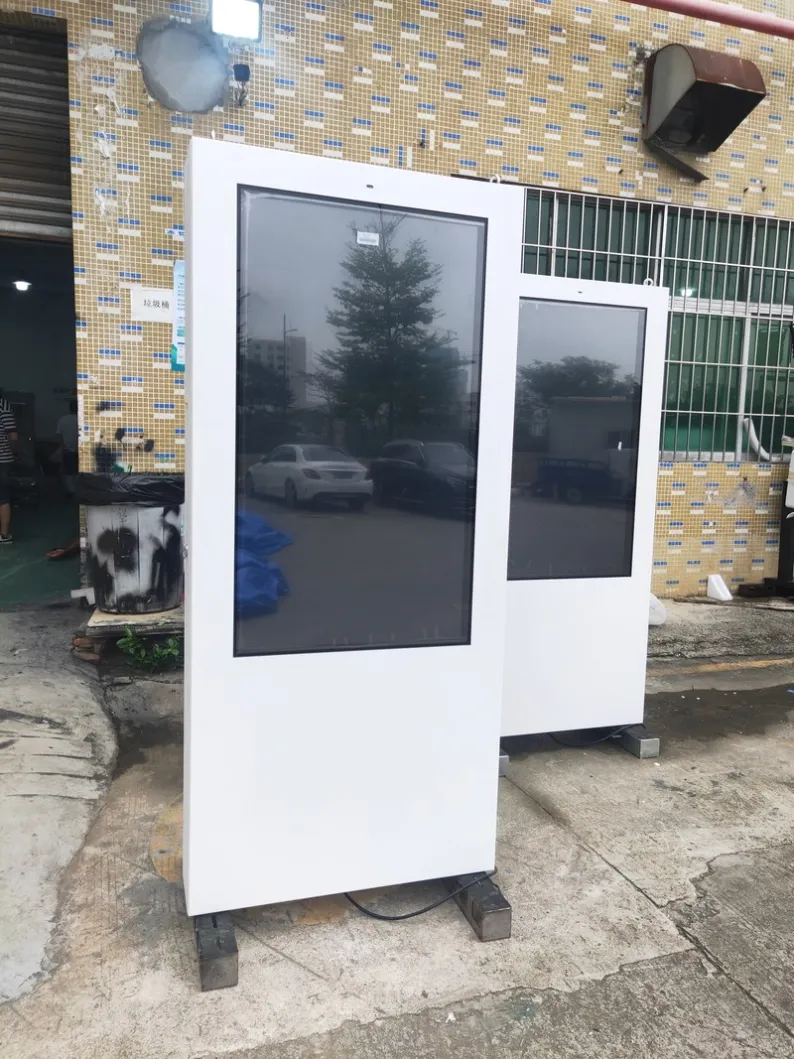
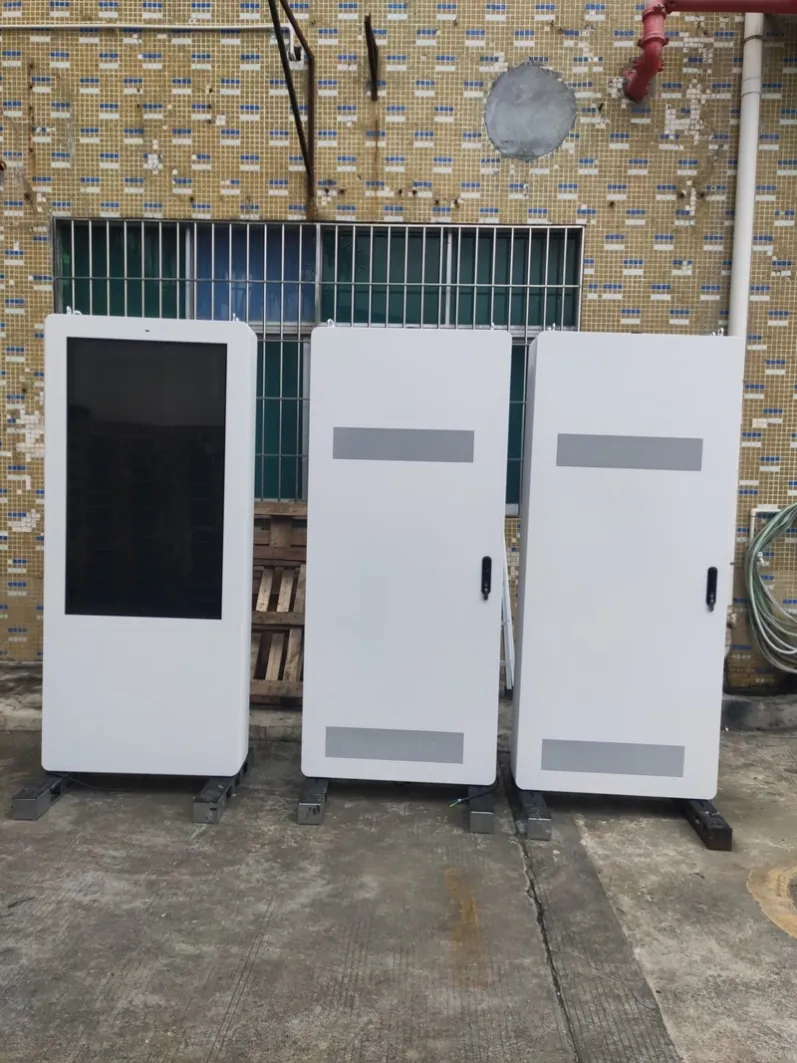
A floor-standing unit should use the project-approved base and fastening method rather than relying on cabinet weight. Inspect bolts, settlement around the base, cabinet alignment and cable protection. Power, network and service activity must not create a trip hazard or obstruct the intended pedestrian route around the outdoor digital signage kiosk.
Clear responsibility protects both the equipment and staff by preventing untrained internal work while ensuring timely escalation. After the work described here, verify image, enclosure and related functions under normal conditions and leave a useful result for the next visit.
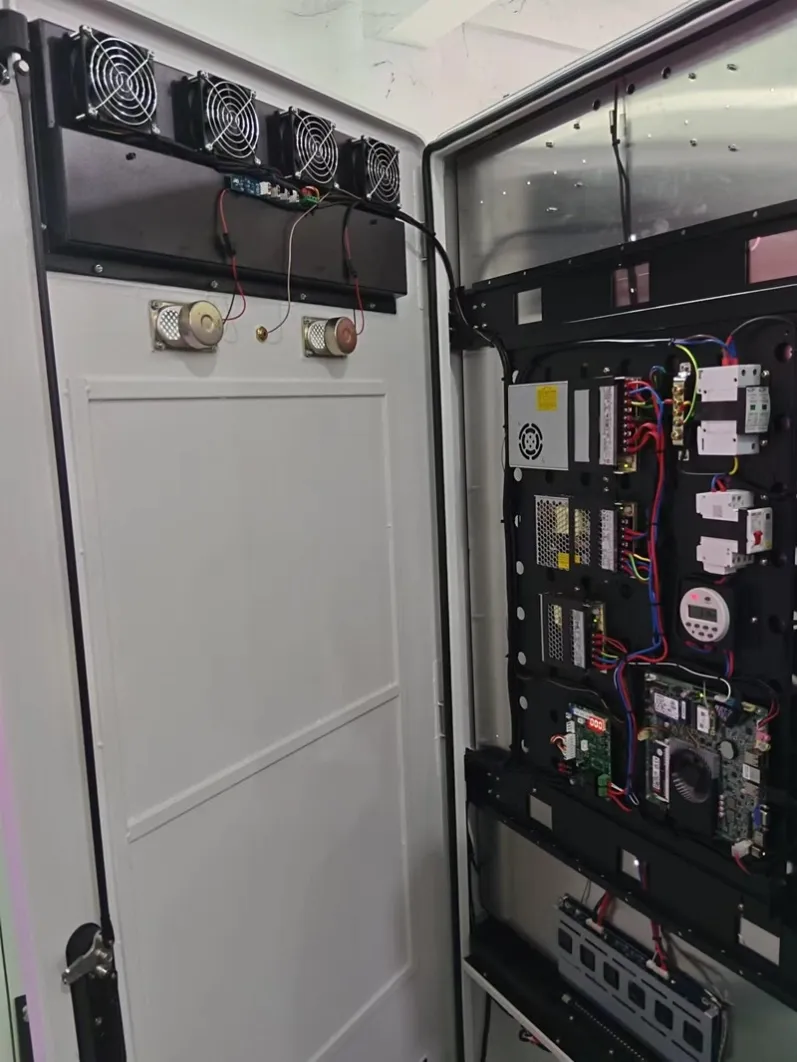
Technicians: Inspect and Repair Internal Systems
Local teams can perform approved exterior cleaning, status recording and content checks. Internal electrical, thermal and sealing work should remain with qualified service personnel. Keep shutdown instructions, escalation contacts and prohibited actions at the site so different shifts do not respond to the same fault in conflicting ways.
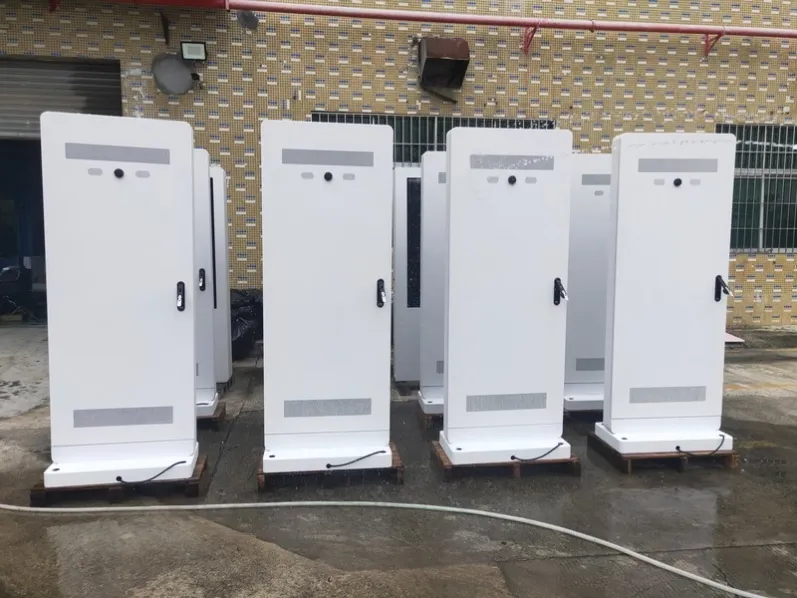
Clear responsibility protects both the equipment and staff by preventing untrained internal work while ensuring timely escalation. After the work described here, verify image, enclosure and related functions under normal conditions and leave a useful result for the next visit.
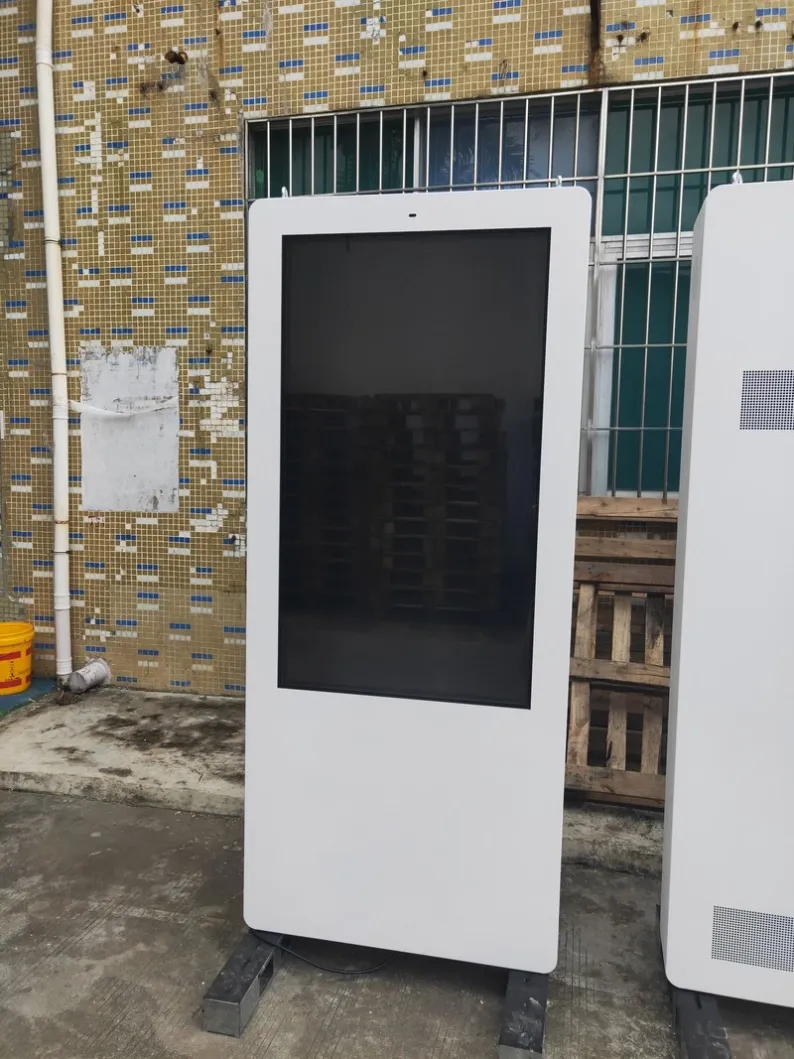
Managers: Own Schedules, Parts and Accountability
Touch areas, glass, cabinet corners and lower panels collect fingerprints and contamination at different rates. Adjust the schedule to traffic, road dust and weather, using methods compatible with each surface. Do not wash the unit with large volumes of water or apply corrosive products to metal, coatings or seals.
Clear responsibility protects both the equipment and staff by preventing untrained internal work while ensuring timely escalation. After the work described here, verify image, enclosure and related functions under normal conditions and leave a useful result for the next visit.
Handover Determines Whether Service Is Complete
A powered screen can still show expired material, an error page or a network warning. Test content updates, system time, connectivity and remote status reporting during service. Confirm that alarms reach the responsible person. Reliable content delivery is part of maintaining an outdoor digital signage kiosk, not a separate office-only task.
Clear responsibility protects both the equipment and staff by preventing untrained internal work while ensuring timely escalation. After the work described here, verify image, enclosure and related functions under normal conditions and leave a useful result for the next visit.
Closing the Maintenance Loop
The common management failure in a public location is that everyone assumes maintenance belongs to someone else. Separate observation, qualified repair and management decisions, then connect them through one record so an issue moves from discovery to verified closure.
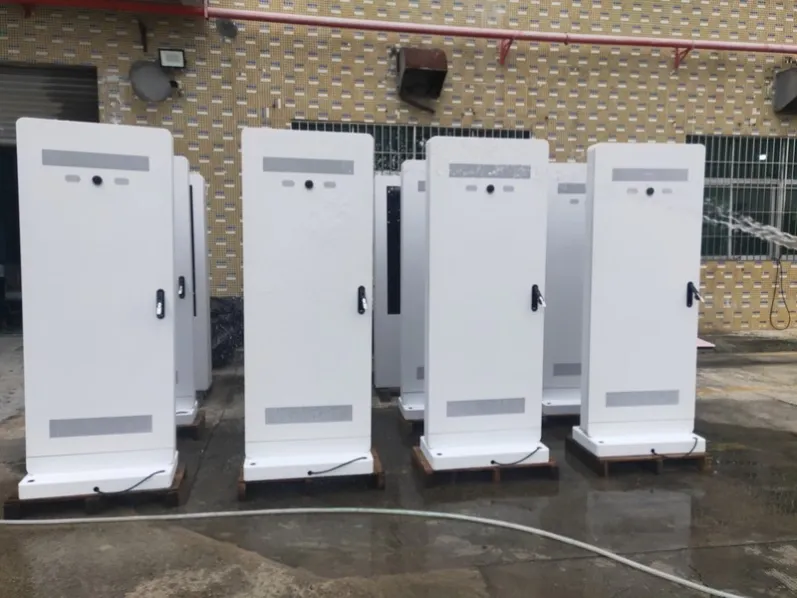
Site staff are closest to the unit and can confirm the daily image, observe surroundings and report abnormalities, but should not open the cabinet without authorization. Technicians use those records to prepare tools and parts, isolate power, inspect internally, repair and verify functions, then distinguish resolved items from conditions still under observation. Managers own intervals, response levels, parts availability and safe public access. Close each visit with one shared record: site staff confirm restored operation, technicians enter measurements and actions, and management assigns follow-up. Without handover, a door may remain unlocked, a temporary brightness setting may persist or an interim measure may never be reviewed.
Managers should also ensure that authorized staff can access service keys, technical information, parts and emergency contacts. At a transit stop, school or commercial entrance, coordinate service time and isolation so tools, open doors and temporary cables do not endanger pedestrians. The plan must protect public safety as well as technical stability. After recovery, site staff confirm operation during normal public hours, technicians retain measurements, and management closes or schedules the same numbered case so verbal handover does not lose responsibility.
Before confirming a project, share installation photographs, orientation, operating hours, local power information, viewing distance and maintenance-access requirements. These details help coordinate construction, thermal management, mounting and control for the intended outdoor digital signage kiosk application.