Aug 27, 2026Buying Guides
Outdoor Advertising Display Care: Power, Moisture, Impact and Long Operating Hours
Manage power, moisture, physical impact and long operating schedules with a preventive outdoor advertising display care plan.
Outdoor Advertising Display Care: Power, Moisture, Impact and Long Operating Hours
An outdoor advertising display often works in an open or high-traffic area. In addition to weather, it faces power disturbances, physical contact, long schedules and changing service personnel. Managing these risks separately is more effective than relying on a vague instruction to clean the unit regularly. Operators need clear shutdown, inspection, recording and escalation procedures.
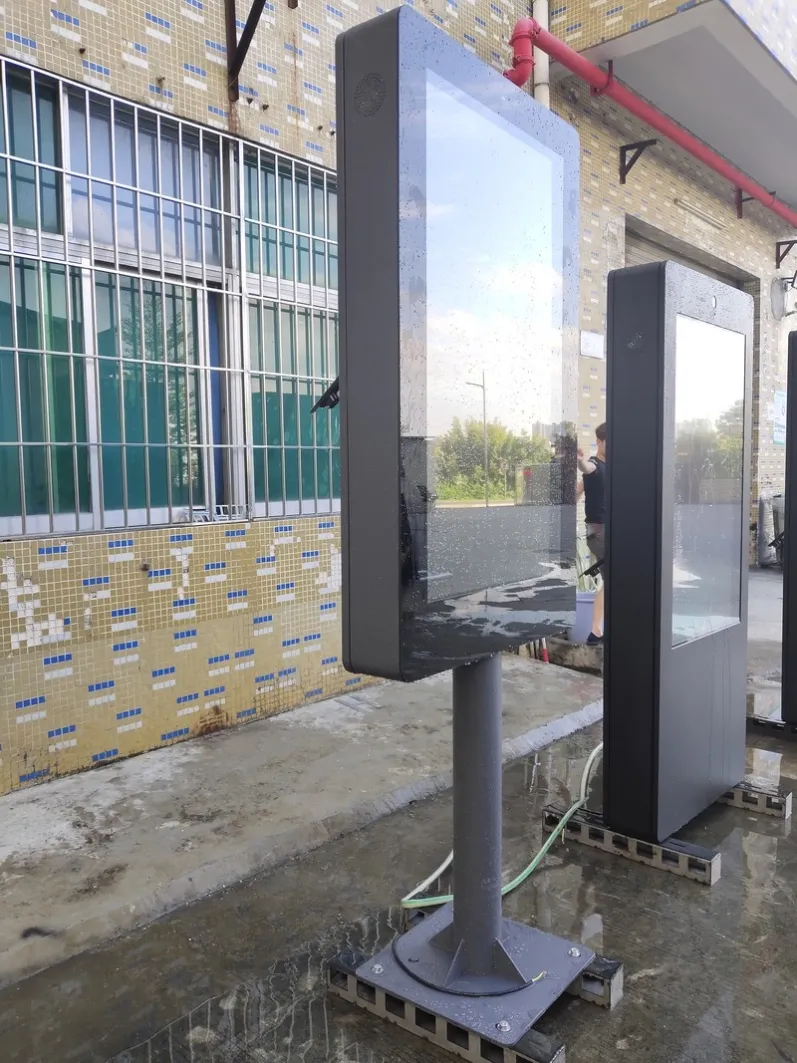
Case One: Start-Up Problems After Repeated Power Loss
Confirm that the circuit, grounding and protective devices match the project requirements. If breakers trip, unusual odors appear, or blackouts repeat, stop operation and investigate rather than repeatedly unplugging and reconnecting. Complete safe electrical isolation before service work on the outdoor advertising display.
Document the conditions, symptom, temporary action, root cause and verification result instead of recording only the replaced part. After the work described here, verify image, enclosure and related functions under normal conditions and leave a useful result for the next visit.
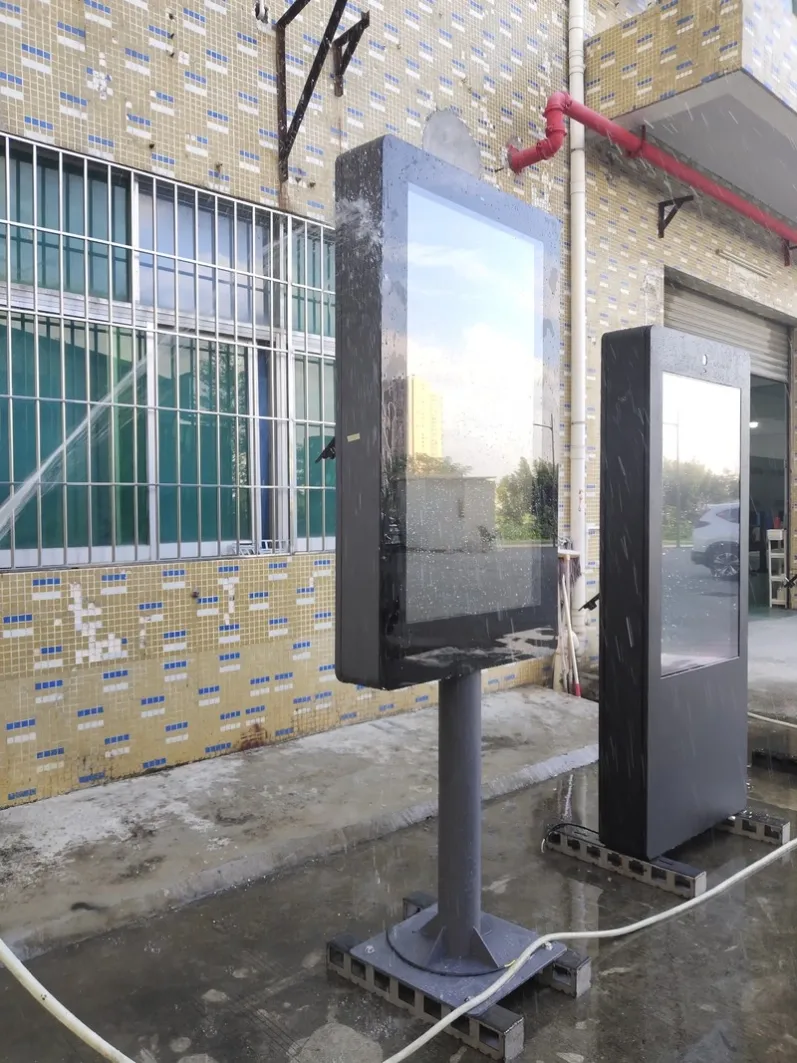
Case Two: Internal Fogging After Humid Weather
Do not energize a unit that shows internal condensation, standing water or wet connectors. Qualified personnel should inspect sealing, drainage and internal condition, then restore operation only after the equipment is dry and the cause is corrected. An environmental humidity range never means that condensation inside the enclosure is acceptable.
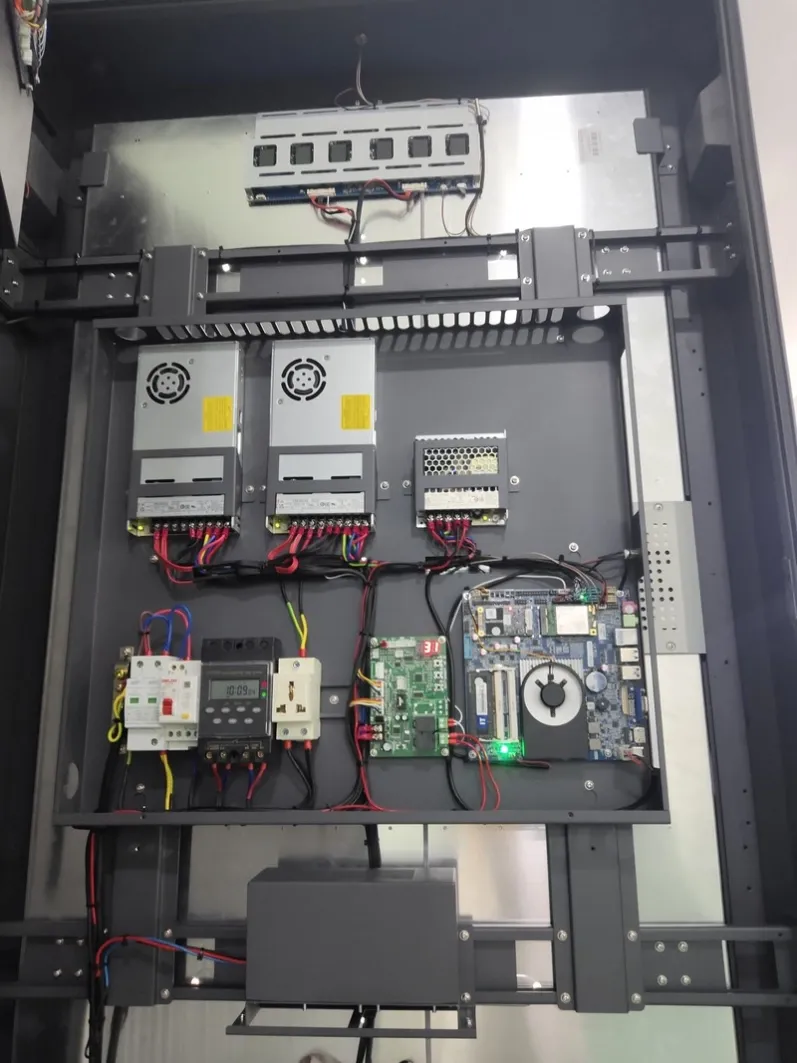
Document the conditions, symptom, temporary action, root cause and verification result instead of recording only the replaced part. After the work described here, verify image, enclosure and related functions under normal conditions and leave a useful result for the next visit.
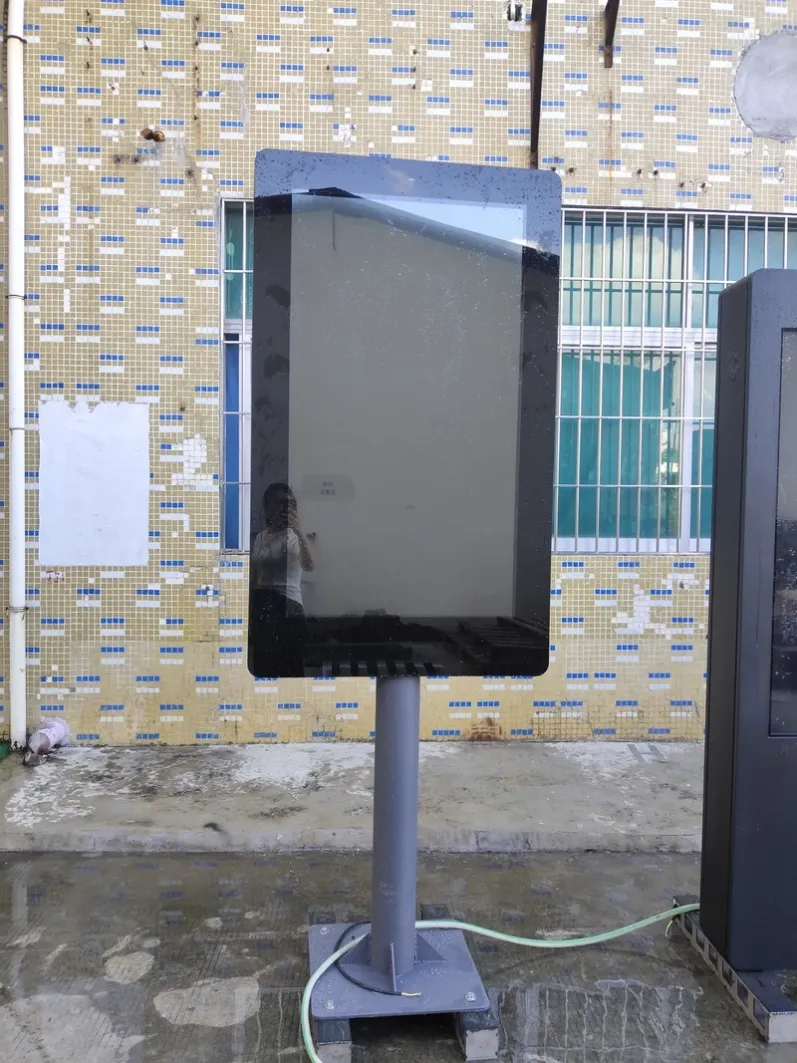
Case Three: Cabinet Movement in a Busy Location
Do not press, strike or contact the screen glass with sharp objects, and never lean service tools against it. In high-traffic locations, inspect the base, mounting hardware, locks and corners for movement or deformation. Escalate any structural concern promptly because physical stability is part of safe operation.
Document the conditions, symptom, temporary action, root cause and verification result instead of recording only the replaced part. After the work described here, verify image, enclosure and related functions under normal conditions and leave a useful result for the next visit.
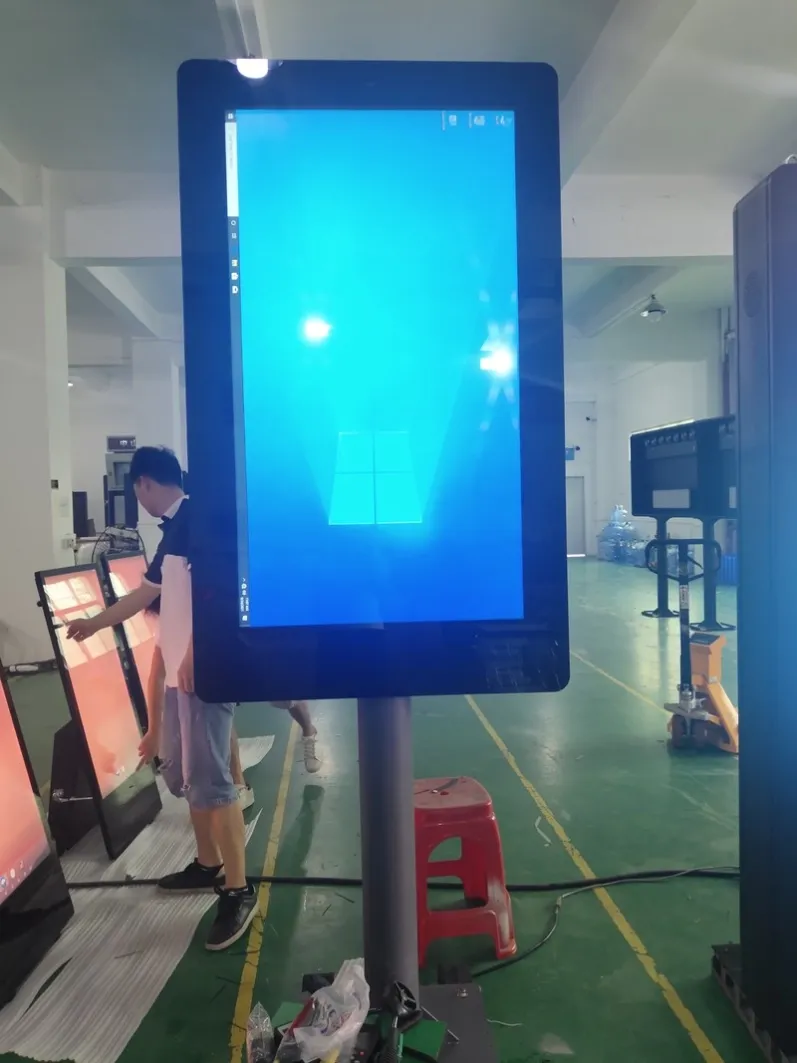
Case Four: Repeated Dimming During Long Operation
Continuous operation should be based on the confirmed commercial configuration and thermal design. A planned restart may support software maintenance, but it cannot replace filter cleaning, fan inspection or temperature-alarm analysis. The longer the schedule, the more valuable remote status monitoring and documented preventive care become for an outdoor advertising display.
Document the conditions, symptom, temporary action, root cause and verification result instead of recording only the replaced part. After the work described here, verify image, enclosure and related functions under normal conditions and leave a useful result for the next visit.
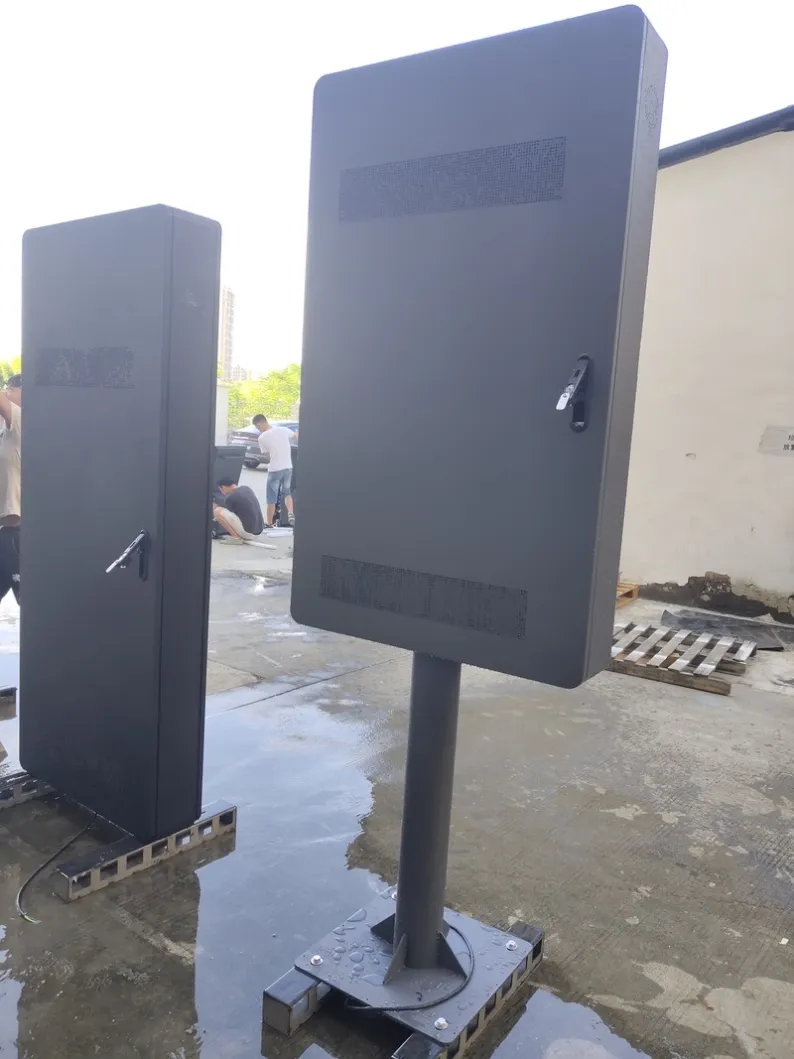
Closing the Maintenance Loop
These cases show why the visible symptom and root cause are often different. Record the conditions, follow the relevant power, sealing, structural or thermal path, and verify the result. Replacing the most visible component is not a reliable outdoor advertising display service strategy.
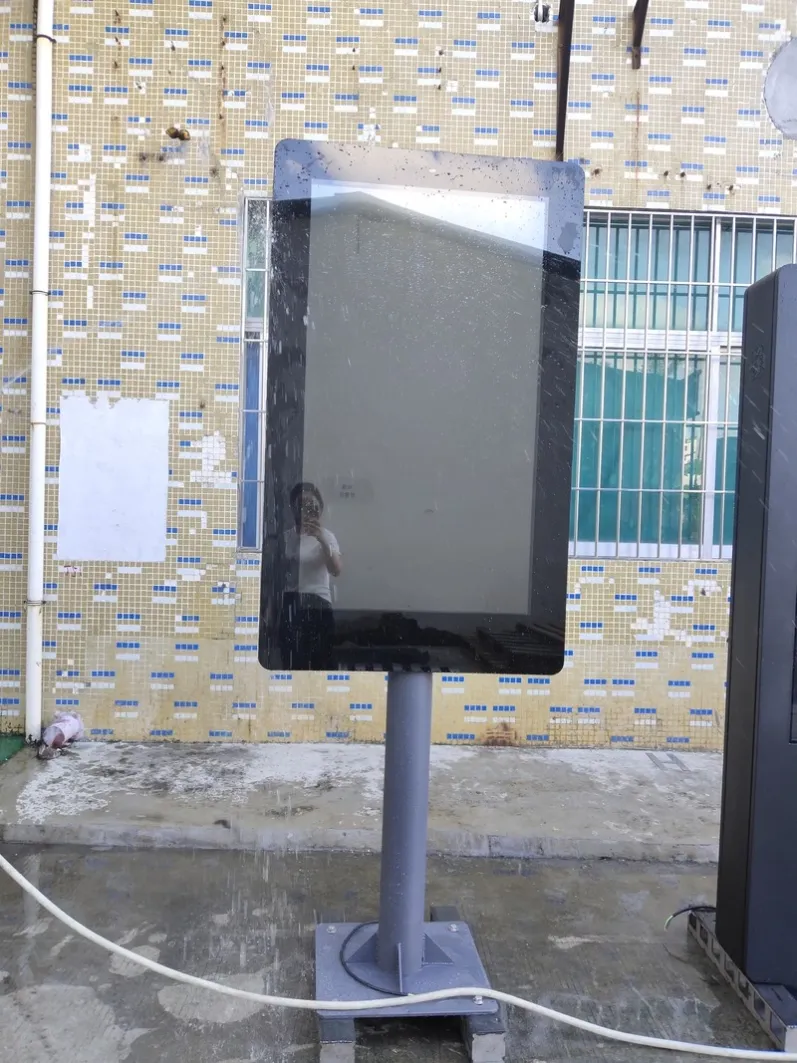
Long-operation risks often interact. A brief power loss can interrupt data writing and cause the next start-up failure. Dust can raise temperature and trigger dimming that is mistaken for panel aging. Failed sealing may create moisture long before connector corrosion produces an intermittent black screen. A moving base can pull on cables. Build an event timeline instead of focusing only on the final symptom. Long-hour equipment should retain temperature, restart, connection and power-event data and use controlled software windows. Planned restarting does not replace hardware maintenance. Repeated failure at one site should trigger a review of power, cooling, drainage or mounting rather than repeated replacement of the same part.
Close each case under conditions similar to the original fault. Power work needs normal starts and load changes, moisture work needs connector and insulation review after drying, structural work needs fastening and alignment checks, and dimming work needs observation through a hot period. A temporary recovery becomes closure only after the symptom does not return. For an intermittent issue that cannot yet be reproduced, retain monitoring, define an observation period and specify the voltage, temperature, logs or images to capture next time.
Before confirming a project, share installation photographs, orientation, operating hours, local power information, viewing distance and maintenance-access requirements. These details help coordinate construction, thermal management, mounting and control for the intended outdoor advertising display application.