Oct 14, 2026Installation & Maintenance
Outdoor High-Brightness Kiosk Cleaning Protocols: Protecting Anti-Reflective Glass and Vents
Outdoor high-brightness kiosk cleaning protocols: safe cleaning agents for anti-glare glass, debris clearing from air intakes, and scratch prevention.
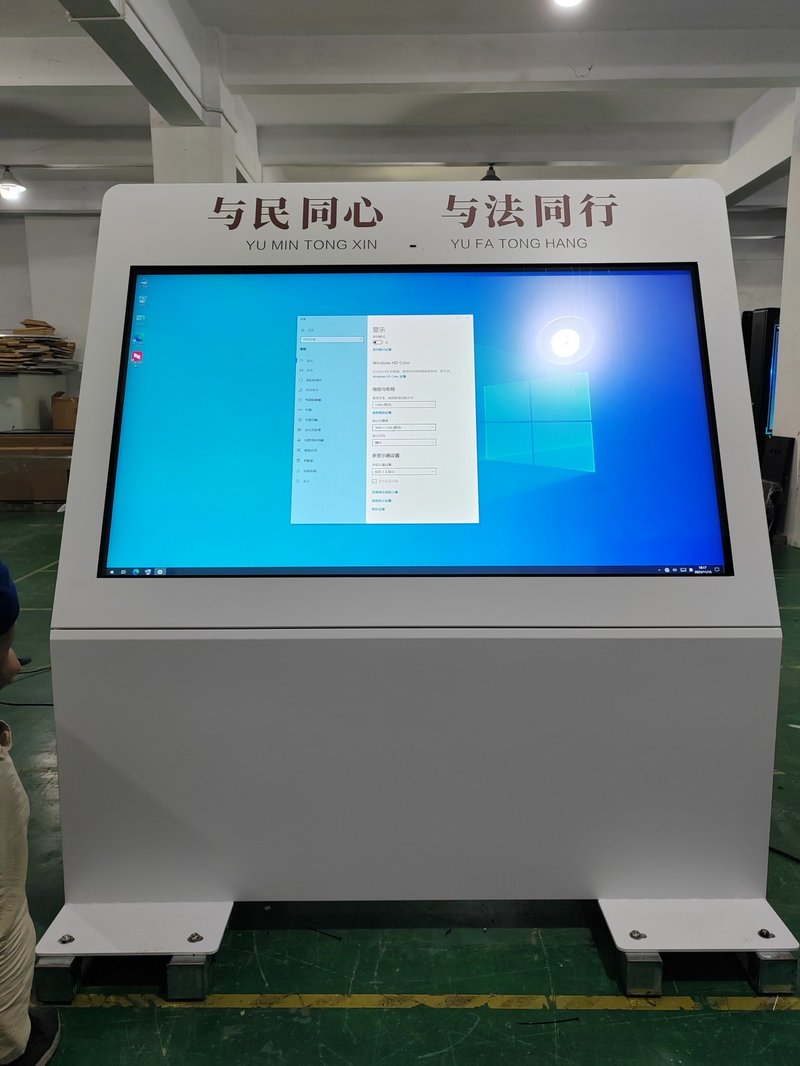
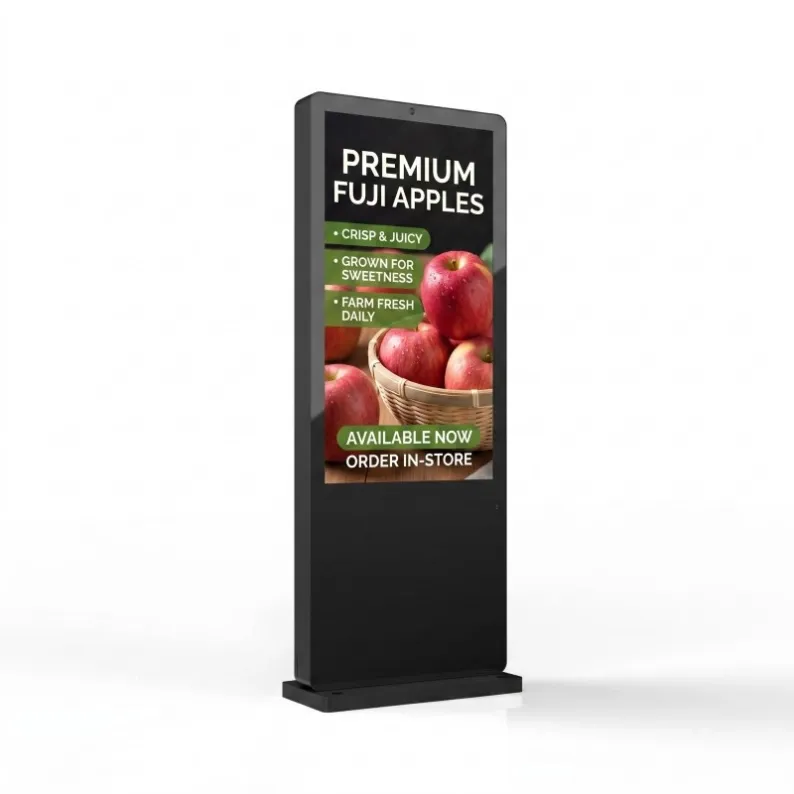
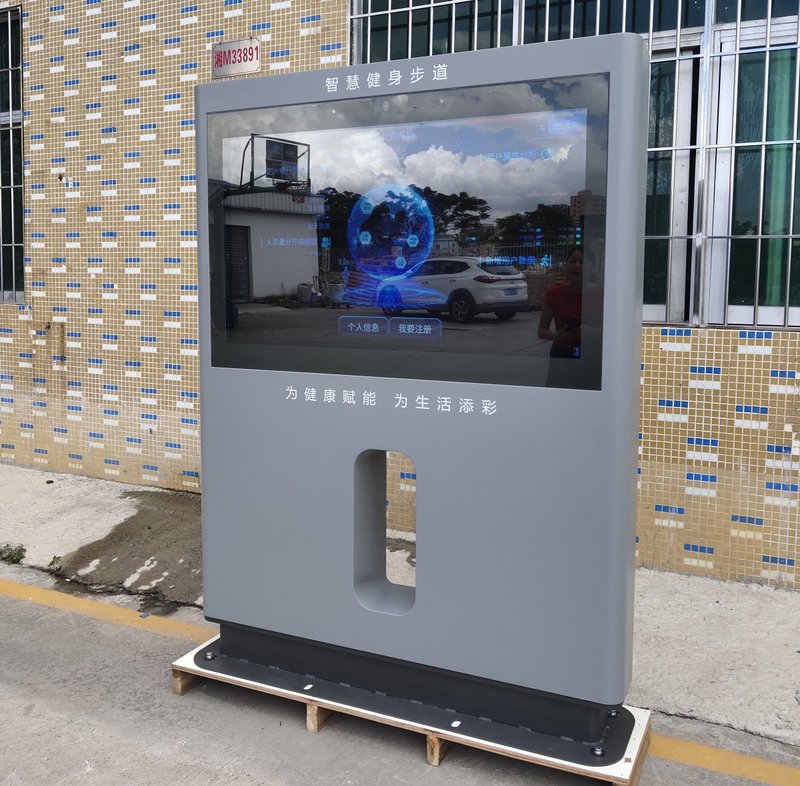
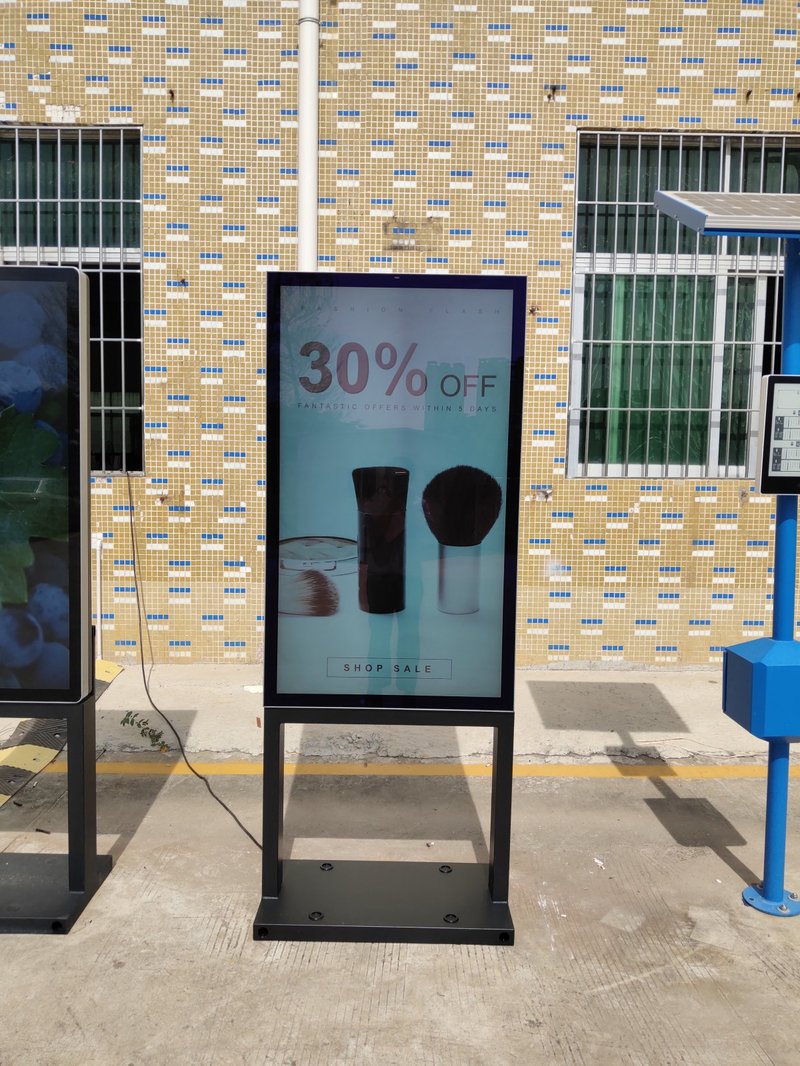
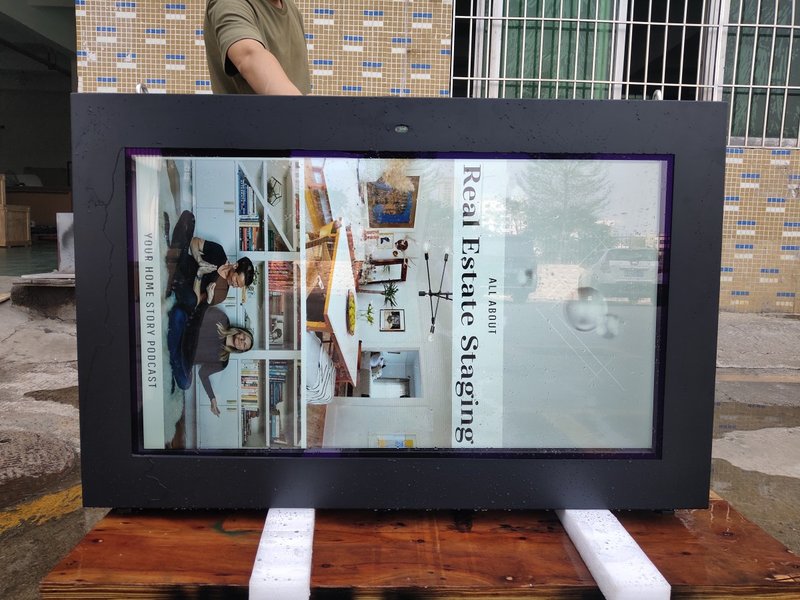
Deploying a high-performance Outdoor High-Brightness Kiosk Cleaning provides commercial spaces and public venues with an all-weather digital display solution. As essential digital signage systems in modern public environments, outdoor advertising kiosks are widely utilized across commercial retail plazas, corporate business parks, public transit hubs, and healthcare facilities, leveraging dynamic visual display, centralized remote content publishing, and rugged public-space durability.
Operating continuously in open exterior environments, outdoor digital kiosks are constantly subjected to airborne particulate accumulation, drastic temperature swings, atmospheric moisture, and frequent human physical interaction. Consequently, implementing correct daily maintenance and scientific cleaning methodologies is crucial to preserving optical display quality and ensuring long-term hardware reliability.
Below are critical technical guidelines and operational precautions to observe during the routine care of outdoor advertising kiosks:
1. Prevent Hard Objects from Contacting the Display Surface with a Outdoor High-Brightness Kiosk Cleaning
While outdoor advertising kiosks feature heavy-duty tempered protective glass, specific glass coatings and optical treatments vary across models.
During everyday operation and routine maintenance, strictly avoid allowing abrasive or rigid objects to contact the glass surface to prevent scratching optical anti-reflective (AR) or anti-glare (AG) coatings, which degrades visual clarity. When cleaning the screen, always select ultra-soft, lint-free microfiber cloths and apply gentle, uniform pressure.
For kiosks deployed in dense pedestrian zones, adequate perimeter spacing or protective barriers should be maintained to shield the display area from mechanical impacts and pedestrian crowding.
2. Avoid Mechanical Overpressure and Operating Outside Rated Thermal Thresholds
Commercial-grade LCD modules require strict mechanical and thermal operating compliance. Excessive localized external pressure can cause optical mura defects, micro-crack panel substrates, or compromise internal optical bonding. Therefore, during equipment mounting, relocation, and servicing, never lean against or exert concentrated mechanical force on the active display area.
Simultaneously, outdoor kiosks must operate strictly within their engineered thermal limits. Prolonged operation in ambient temperatures exceeding the unit's thermal rating can trigger isotropic liquid crystal blackout or accelerate backlight degradation.
Under extreme seasonal temperature swings, minor fluctuations in liquid crystal viscosity, backlight startup latency, or automated thermal-throttling adjustments may occur. If temperature-related display anomalies persist, check the thermal cooling fans, air conditioner operational telemetry, and thermostat controllers against manufacturer specifications.
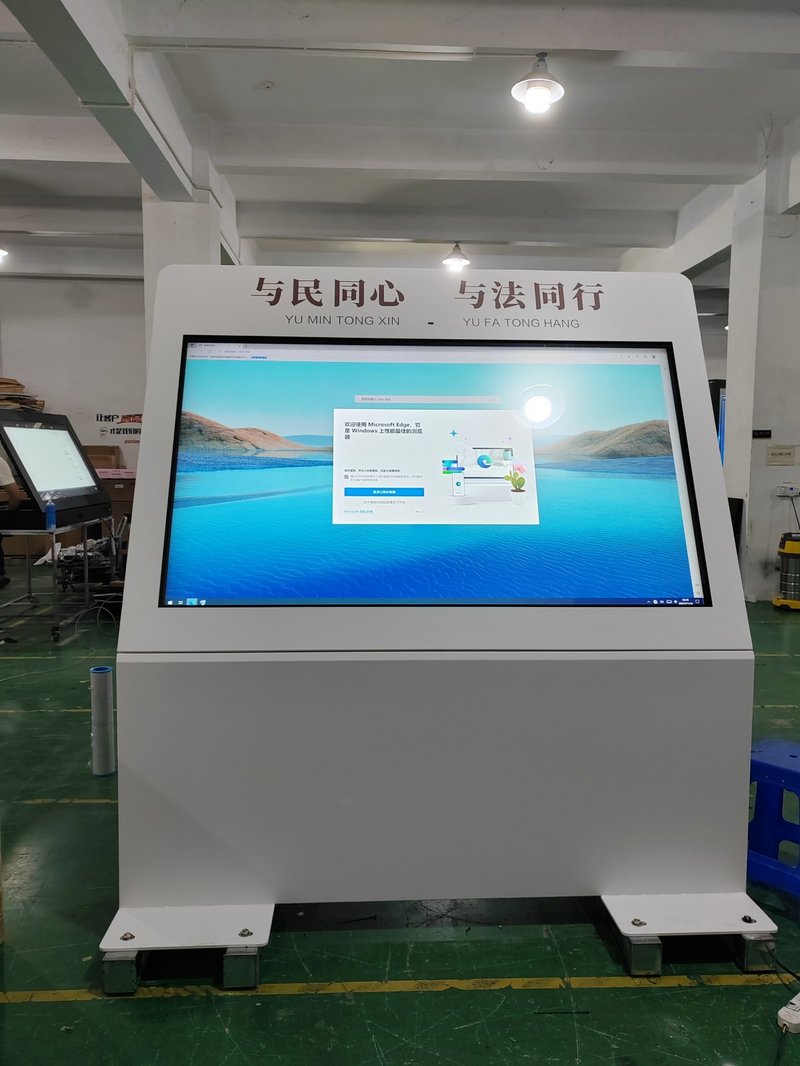
3. Adopt Standardized, Non-Abrasive Screen Cleaning Techniques
When cleaning the protective front glass of an outdoor kiosk, never use coarse wiping rags, abrasive industrial towels, or standard paper towels, as their abrasive wood fibers can cause microscopic hairline scratches on optical surfaces.
For routine dust removal, first use an antistatic soft-bristle duster or low-pressure air blower to eliminate dry, abrasive grit from the surface. Then, gently wipe the glass using a clean, dry microfiber cloth designed for precision optics.
For persistent fingerprints, mineral streaks, or oily residue, apply approved optical screen cleaning fluids sparingly to the cloth—never directly to the glass—and wipe gently in a consistent linear or circular motion to protect surface nano-coatings.
4. Strictly Prohibit Incompatible Solvents and Excessive Liquid Application
When cleaning the display front, never spray liquids or cleaning solutions directly onto the screen surface. Excess liquid can seep along glass bezel edges, bypass perimeter gasket seals, and penetrate internal electronic circuitry.
Moisture ingress into the cabinet interior can cause short circuits, corrosion on scalar boards, or catastrophic power supply failures. Always ensure cleaning cloths are merely damp, not saturated.
Furthermore, avoid using unverified chemical solvents, pure ethanol/alcohol, acetone, ammonia-based glass cleaners, or harsh corrosive detergents. These aggressive chemicals can degrade protective anti-glare coatings, cloud optical layers, and embrittle rubber waterproofing gaskets.
If thorough decontamination is required, strictly utilize manufacturer-certified, pH-neutral optical screen cleaning solutions.
5. Establish a Systematic Daily Preventative Maintenance Regimen
Beyond optical glass cleaning, holistic routine maintenance requires monitoring the overall operational health of the kiosk:
- Inspect Enclosure Integrity: Check the exterior chassis for paint chipping, impact dents, corrosion, or compromised door latches;
- Maintain Unobstructed Cooling: Ensure ventilation intake grilles, exhaust vents, and air filters remain free of leaves, dust blankets, or physical blockages;
- Monitor Display Uniformity: Check for dead pixels, backlight flicker, color tint shifts, or brightness uniformity degradation;
- Verify Power and Grounding: Check electrical cable glands, primary power connections, and safety earth grounding integrity;
- Implement Scheduled Preventative Servicing: Establish monthly and quarterly inspection schedules based on the specific dust and humidity levels of the deployment site.
Disciplined, standardized maintenance practices mitigate the adverse effects of harsh outdoor elements and guarantee that digital kiosks deliver vibrant, dependable commercial messaging over years of continuous service.
Conclusion
Outdoor advertising kiosks are long-term commercial assets operating in unforgiving environments. Implementing correct cleaning protocols, avoiding physical abuse, and maintaining disciplined inspection routines will ensure peak optical brilliance and system longevity.
ZXTLCD delivers rugged, commercial-grade outdoor digital display solutions engineered for retail marketing, smart transit, and public information dissemination. Tailored to regional climates and operational demands, we provide reliable, high-brightness outdoor displays built for long-term all-weather performance. In conclusion, selecting a professional Outdoor High-Brightness Kiosk Cleaning guarantees long-term operational stability, superior sunlight readability, and maximum commercial impact.
Looking for customized Outdoor High-Brightness Kiosk Cleaning solutions, high-brightness outdoor digital signage kiosks, or weatherproof commercial displays? Feel free to contact the ZXTLCD engineering team for detailed technical specifications, mounting drawings, and volume pricing.