Oct 14, 2026Installation & Maintenance
Comprehensive Guide to Outdoor Kiosk Anchoring and Reinforcement for Maximum Public Safety
Comprehensive outdoor kiosk anchoring and reinforcement guide: embedment cage construction, flange plate mounting, and anti-tipping safety standards.
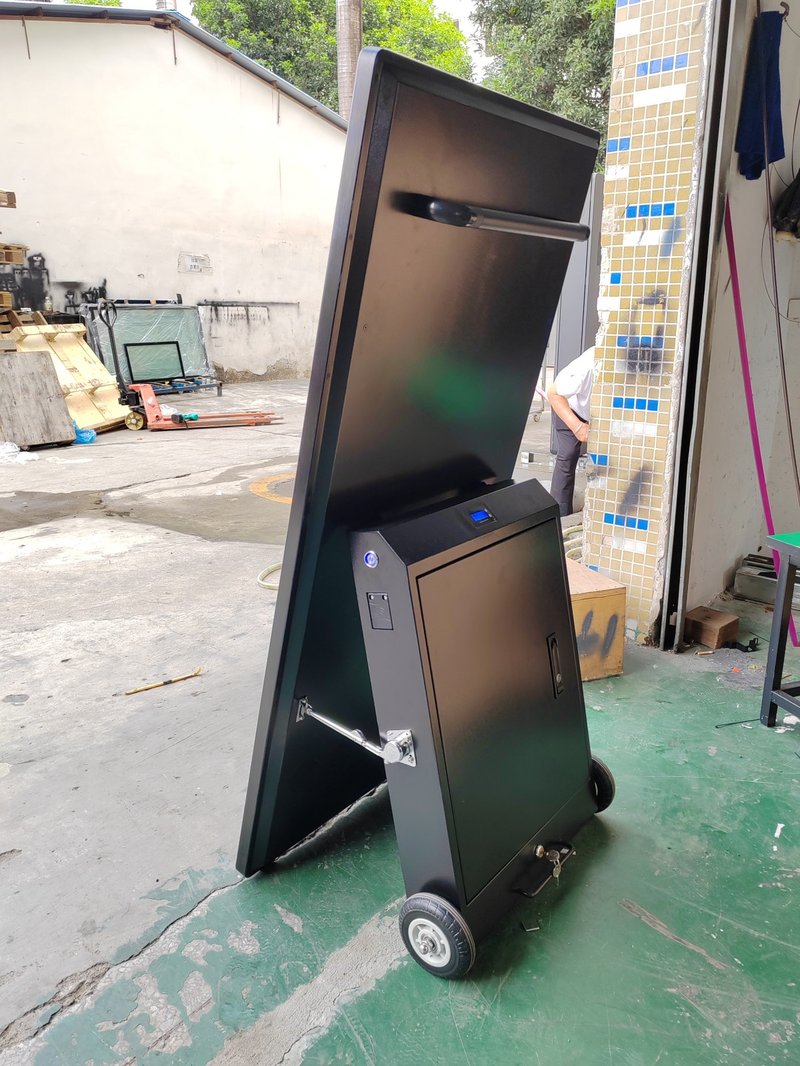
Deploying a high-performance Outdoor Kiosk Anchoring and Reinforcement provides commercial spaces and public venues with an all-weather digital display solution. The installation engineering of outdoor advertising kiosks differs fundamentally from that of indoor displays. Deploying digital signage outdoors involves heavy structural frames and must fully account for environmental threats such as wind loads, rain penetration, thermal cycling, and seismic or subgrade movement. Consequently, structural foundation reinforcement is a mandatory engineering consideration. What foundation reinforcement methods are available for outdoor advertising kiosks? Below is a comprehensive breakdown of key engineering methodologies:
1. Foundation Footprint Expansion with a Outdoor Kiosk Anchoring and Reinforcement
By pouring an extended concrete perimeter collar or casting a reinforced concrete underpinning slab, the contact area of the outdoor kiosk's base foundation is substantially enlarged. This effectively corrects and prevents uneven subgrade settlement caused by an undersized foundation footprint or insufficient soil bearing capacity.
2. Subsurface Piling Underpinning
This foundation reinforcement methodology involves driving or casting subsurface piles—such as jacked piles, driven displacement piles, or bored cast-in-place concrete friction/bearing piles—directly beneath or alongside the outdoor kiosk's existing foundation. These piles transfer structural loads down into deeper, competent subterranean rock or dense soil strata.
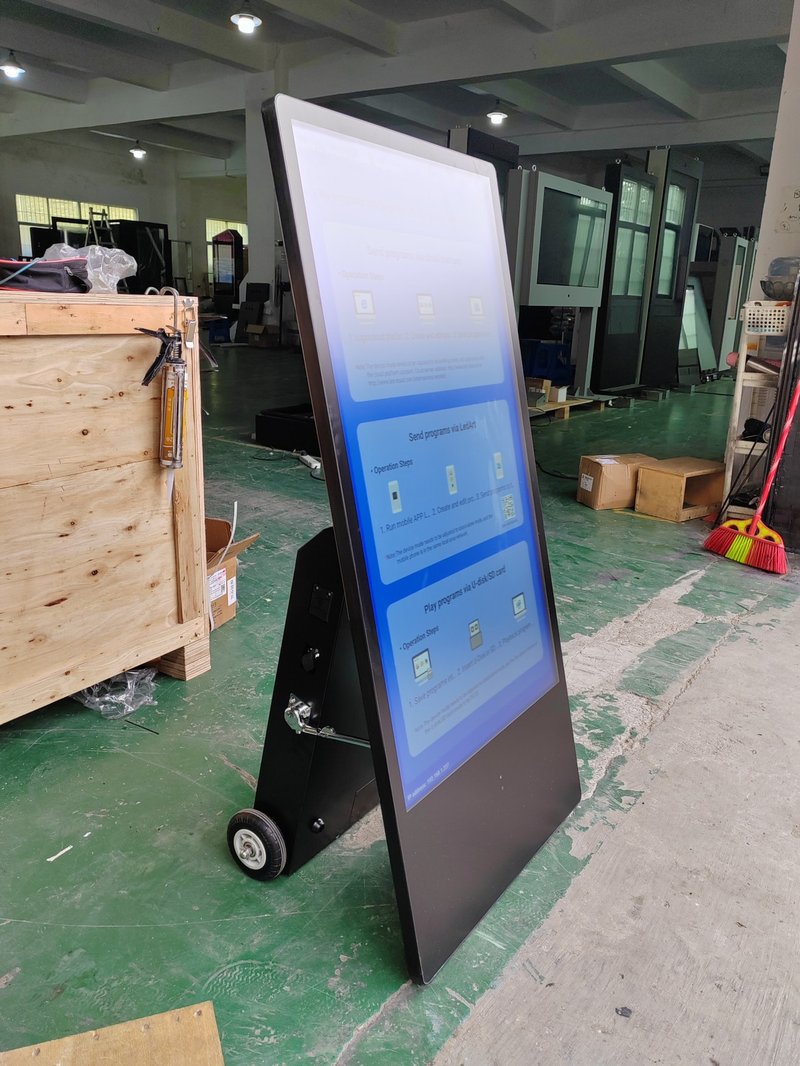
3. Chemical Grouting and Underpinning
In this geotechnical technique, chemical grouts or cementitious slurries are uniformly injected under pressure into the surrounding subgrade. The injected grout penetrates, binds, and consolidates loose soil grains, fill materials, and subsurface voids, significantly enhancing subgrade load-bearing capacity while creating a robust waterproof, impermeable barrier against groundwater erosion.
Subgrade Settlement Rectification Techniques
If the subgrade beneath an installed outdoor advertising kiosk experiences shifting or instability, geotechnical rectification techniques must be deployed. Two primary methods are utilized:
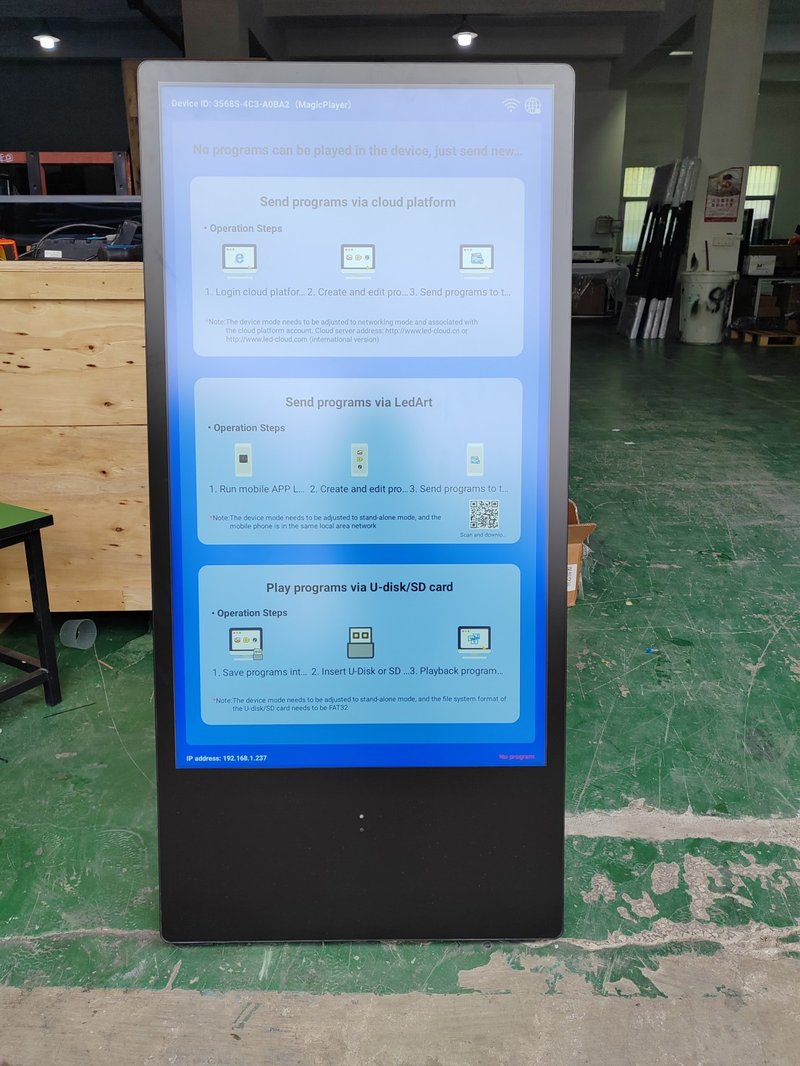
1. Forced-Settlement Rectification (Controlled Induced Settlement)
On the side of the foundation exhibiting excessive settlement, geotechnical engineers implement measures to arrest further subsidence, while simultaneously applying forced-settlement measures on the opposite (higher) side. Common forced-settlement techniques include: applying static surface loads (such as steel ingots or concrete deadweights), erecting temporary cantilever reaction beams, controlled soil excavation under the higher side, or localized water injection to equalize settlement and restore level alignment.
2. Hydraulic Jacking Rectification
At the specific points of the tilted foundation where severe settlement has occurred, synchronized hydraulic jacks are installed to regulate vertical lift across the kiosk structure. By carefully controlling the differential jacking force, the entire kiosk structure is rotated as a rigid plane about a designated pivot axis or leveling datum, safely returning the tilted foundation back to its original horizontal design elevation. In conclusion, selecting a professional Outdoor Kiosk Anchoring and Reinforcement guarantees long-term operational stability, superior sunlight readability, and maximum commercial impact.
Looking for customized Outdoor Kiosk Anchoring and Reinforcement solutions, high-brightness outdoor digital signage kiosks, or weatherproof commercial displays? Feel free to contact the ZXTLCD engineering team for detailed technical specifications, mounting drawings, and volume pricing.