Oct 14, 2026Installation & Maintenance
Outdoor Kiosk Structural Foundation Reinforcement: Anchor Bolts, Concrete Bases, and Wind Safety
Outdoor kiosk structural foundation reinforcement guide: anchor bolt selection, concrete pad specifications, and wind-load calculations for public safety.
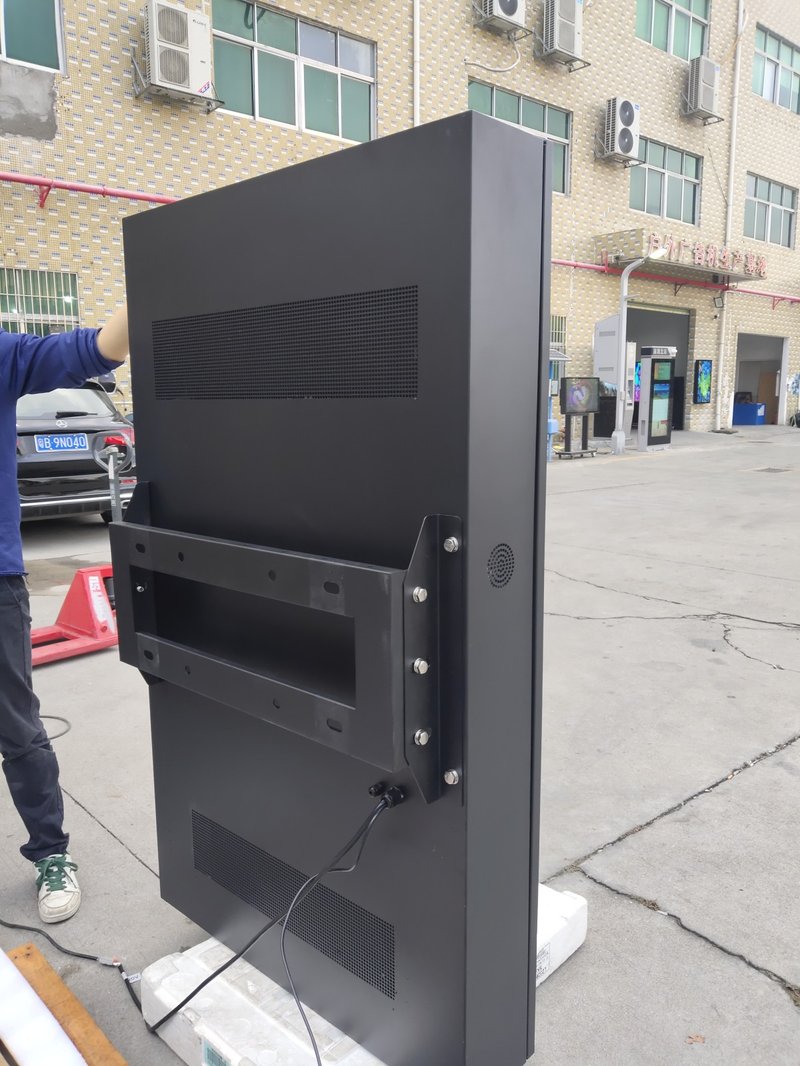
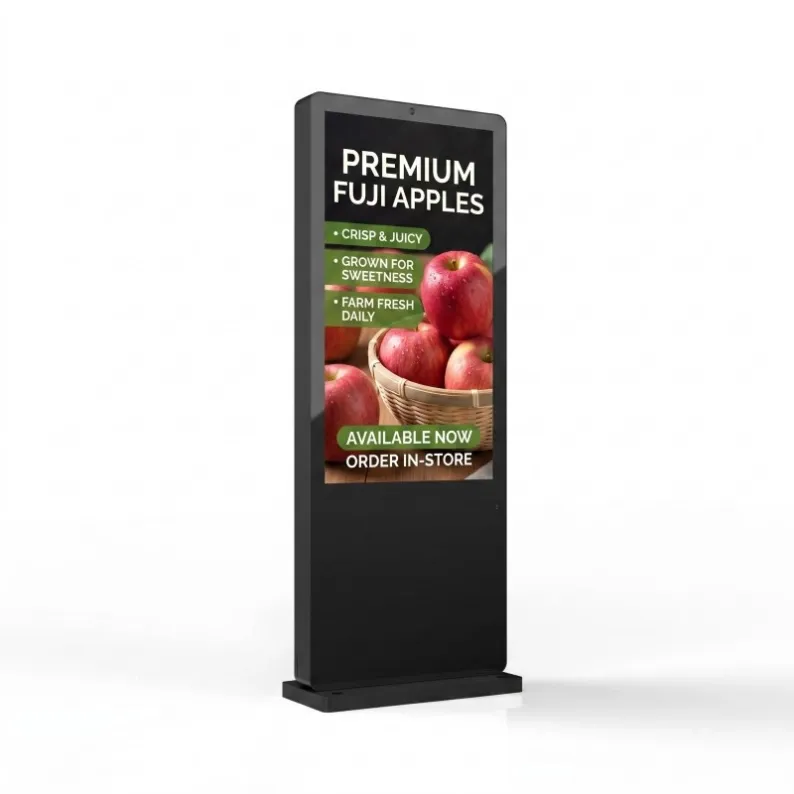
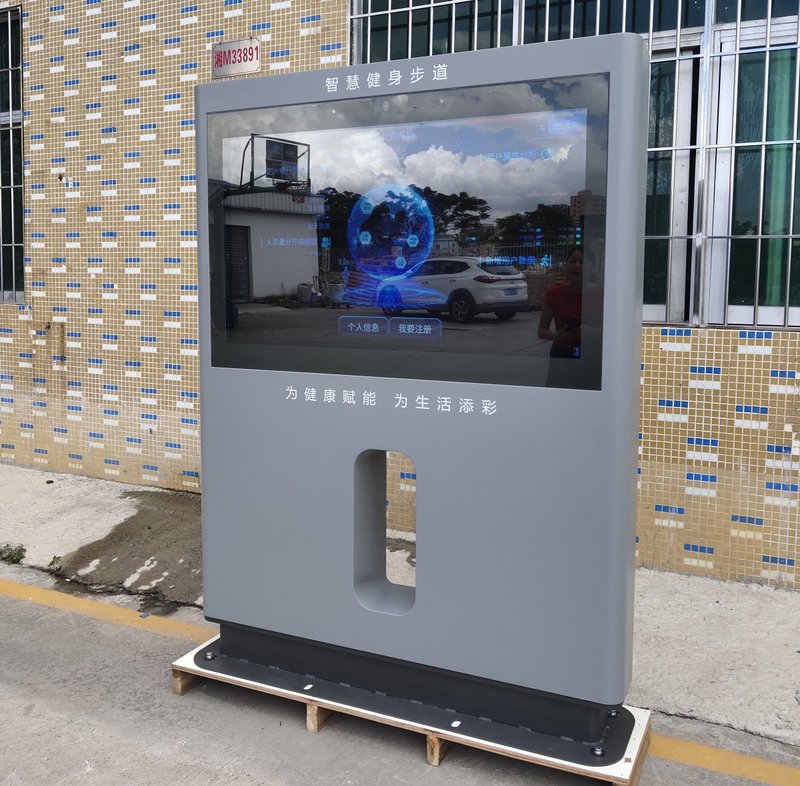
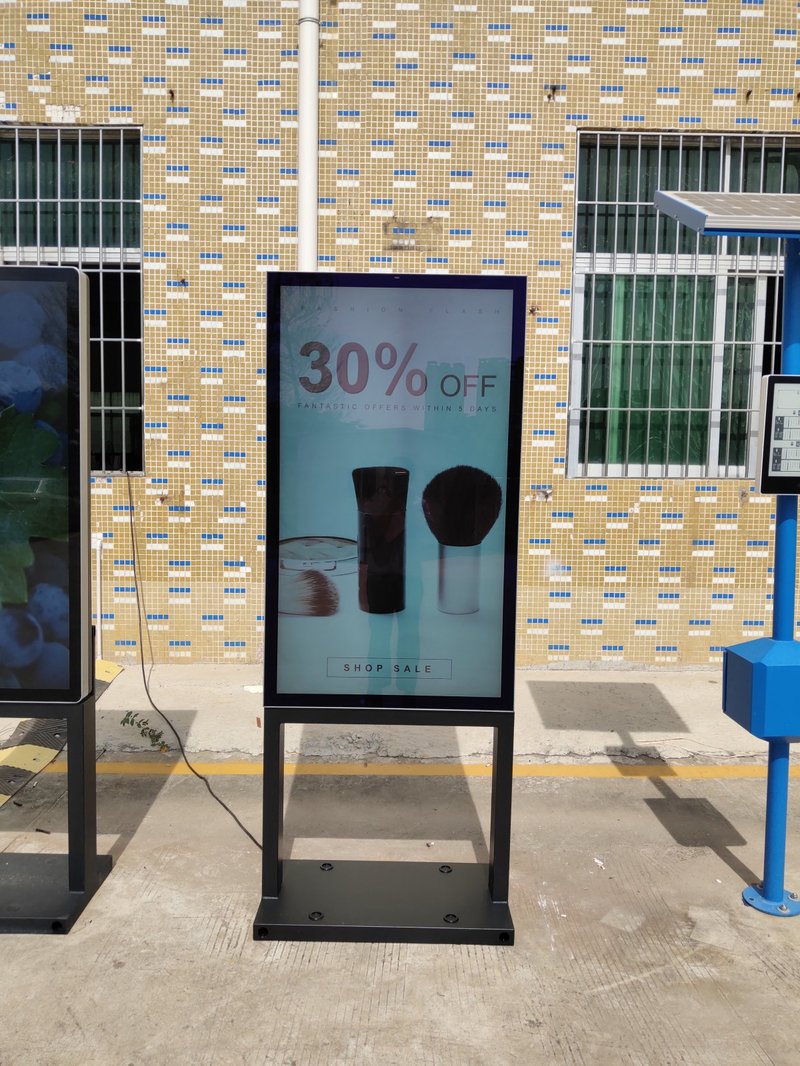
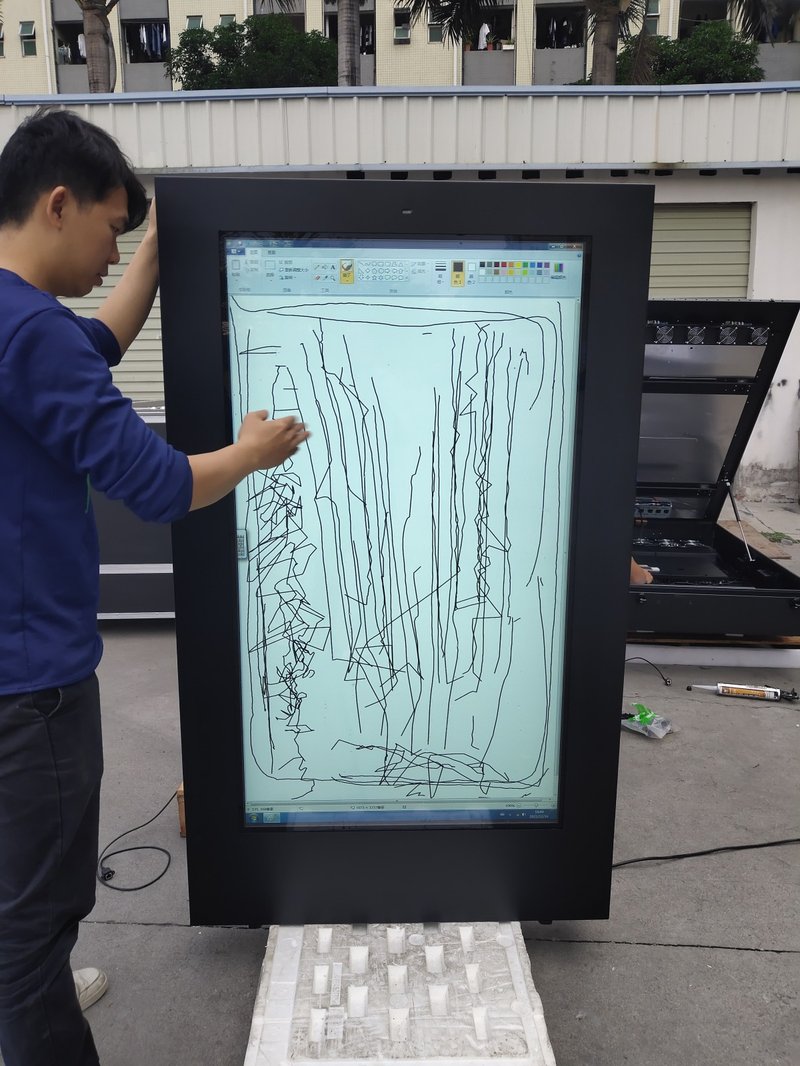
Deploying a high-performance Outdoor Kiosk Structural Foundation Reinforcement provides commercial spaces and public venues with an all-weather digital display solution. Compared to standard indoor displays, outdoor advertising kiosks demand substantially higher structural stability. Because outdoor kiosks are permanently deployed in exterior environments, they must withstand continuous wind loads, heavy precipitation, severe temperature fluctuations, and accidental impacts from pedestrian activities. Therefore, outdoor installation requires not only secure mechanical mounting, but also tailored foundation reinforcement based on localized soil and ground conditions.
A well-engineered foundation structure and robust anchoring method enhance long-term operational safety, effectively preventing hazards associated with subgrade settlement, kiosk tilting, or structural fastener loosening.
1. Expanding the Foundation Footprint with a Outdoor Kiosk Structural Foundation Reinforcement
Certain outdoor installation sites feature limited foundation footprint area or insufficient subgrade bearing capacity. If the ground base lacks structural stability, prolonged exposure to equipment dead load and dynamic outdoor wind forces may cause uneven ground settlement or cabinet tilting.
To address this condition, the base foundation contact area can be enlarged to disperse ground pressure. For instance, pouring an extended reinforced concrete slab or installing a concrete perimeter collar effectively expands the load-bearing footprint.
This reinforcement technique is particularly suited for environments where subgrade soil capacity is marginal, helping distribute kiosk deadweight and dynamic loads evenly across a wider surface area to ensure long-term structural integrity.
2. Utilizing Ground Piling or Pressure Grouting
In outdoor advertising kiosk engineering, ground piling and subsurface anchoring are widely utilized foundation reinforcement techniques.
Depending on local geotechnical conditions, structural engineers may specify pre-cast embedded foundation cages, cast-in-place reinforced concrete footings, or bored micro-piles to securely bond the kiosk base to subterranean load-bearing strata. Anchoring deeply into solid ground substantially boosts the structure's overturning resistance against severe typhoon winds.
When installing kiosks in areas with loose backfill or soft sandy soil, simply fastening base plates with superficial surface anchors is inadequate; comprehensive subsurface piling or chemical pressure grouting must be executed.
3. Correcting Foundation Settlement Through Controlled Settlement (Forced-Settlement Rectification)
If an outdoor advertising kiosk experiences minor uneven settlement or angular deviation post-installation, targeted geotechnical rectification must be deployed based on precise site assessments.
One approach involves controlled settlement adjustment (forced-settlement rectification), where the higher, non-settling section of the foundation is systematically relieved or loaded to encourage uniform settlement, thereby restoring horizontal alignment. Typical techniques include localized soil extraction or counterweight adjustments.
This corrective procedure requires comprehensive geotechnical monitoring and execution by experienced structural specialists to identify root causes and avoid improper intervention that could compromise structural stability.
4. Foundation Leveling via Hydraulic Jacking Rectification
When an outdoor advertising kiosk foundation exhibits pronounced structural tilting, hydraulic jacking rectification can be employed to restore level alignment.
Using high-precision synchronized hydraulic jacking systems, engineers incrementally lift the sunken foundation slab, inject high-strength structural grout or steel shims underneath, and gradually return the foundation to its precise design elevation.
Hydraulic jacking rectification is particularly effective for completed installations experiencing post-construction ground movement, rectifying alignment without necessitating complete kiosk disassembly and re-excavation.
5. Critical Precautions During Installation and Foundation Work
Reinforcing an outdoor advertising kiosk is never a one-size-fits-all procedure; it demands comprehensive engineering evaluation tailored to localized site conditions.
Prior to installation, technical teams must evaluate subgrade soil mechanics, kiosk overall dimensions and weight, installation elevation, historical maximum wind speeds, and clearance for future service access.
In open pedestrian plazas or coastal areas prone to high wind gusts, exceptional attention must be paid to structural anchoring strength and foundation overturning moments. In addition, subterranean power conduits, grounding grids, lightning protection, drainage slopes, and waterproof sealing must be integrated into initial construction planning.
Standard commercial installations generally combine reinforced concrete footings, embedded J-bolt cages, industrial chemical expansion anchors, or deep piles to deliver rock-solid stability for diverse project environments.
FAQ
Q1: Why do outdoor advertising kiosks require specialized foundation reinforcement?
Because outdoor units endure continuous environmental stresses—such as severe wind pressure, rain erosion, and thermal expansion—foundation reinforcement ensures structural integrity, prevents toppling, and protects public safety.
Q2: Is deep piling mandatory for every outdoor kiosk installation?
Not necessarily. The necessity for piling depends on equipment height and weight, soil bearing capacity, installation footprint, and regional wind load standards. Small-to-medium kiosks installed on existing thick structural concrete slabs often rely on heavy-duty chemical anchor bolts.
Q3: Can a tilted outdoor advertising kiosk be rectified without dismantling?
Yes, depending on the severity of the tilt and foundation condition, specialized methods such as hydraulic jacking rectification or controlled pressure grouting can restore level alignment without complete equipment demolition.
Q4: What preliminary preparations are necessary before installing an outdoor advertising kiosk?
Before construction, project teams must verify site coordinates, power supply capacity, network communications infrastructure, ground subgrade bearing capacity, and surrounding maintenance clearance to guarantee smooth deployment and reliable operation. In conclusion, selecting a professional Outdoor Kiosk Structural Foundation Reinforcement guarantees long-term operational stability, superior sunlight readability, and maximum commercial impact.
Looking for customized Outdoor Kiosk Structural Foundation Reinforcement solutions, high-brightness outdoor digital signage kiosks, or weatherproof commercial displays? Feel free to contact the ZXTLCD engineering team for detailed technical specifications, mounting drawings, and volume pricing.