Oct 14, 2026Buying Guides
Outdoor LCD Digital Signage Form Factors: Freestanding, Wall-Mounted, and Hanging Implementations
Overview of outdoor LCD digital signage form factors: examine freestanding totems, wall-mount enclosures, and hanging displays for urban venues.
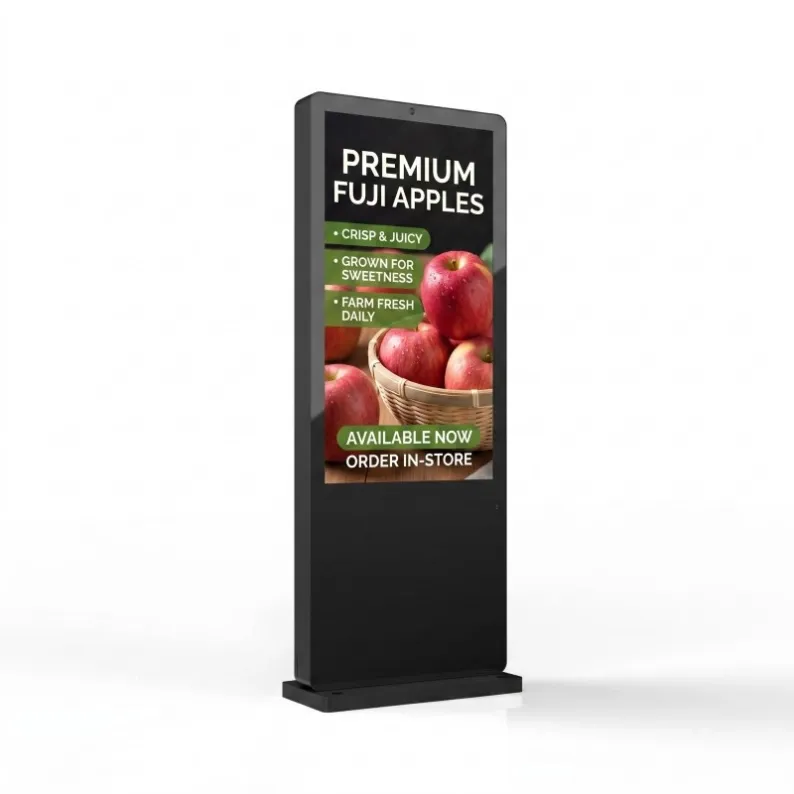
Deploying a high-performance Outdoor LCD Digital Signage Form Factors provides commercial spaces and public venues with an all-weather digital display solution. With the rapid expansion of digital visual communication, outdoor digital signage has emerged as an essential medium for commercial marketing, public information broadcasting, and brand promotion. Compared to static, printed billboards, outdoor digital signage dynamically showcases high-definition images, streaming videos, and real-time data feeds. Offering agile content updates and intelligent scheduling, it seamlessly meets the multifaceted display demands of modern urban environments.
Currently, outdoor digital signage is extensively deployed across commercial pedestrian streets, shopping malls, public transit terminals, luxury hotels, scenic tourist attractions, academic campuses, residential communities, and corporate business parks. Depending on specific architectural layouts and sightline requirements, various installation configurations can be implemented to achieve optimal visual prominence and user engagement.
What Is Outdoor Digital Signage? with a Outdoor LCD Digital Signage Form Factors
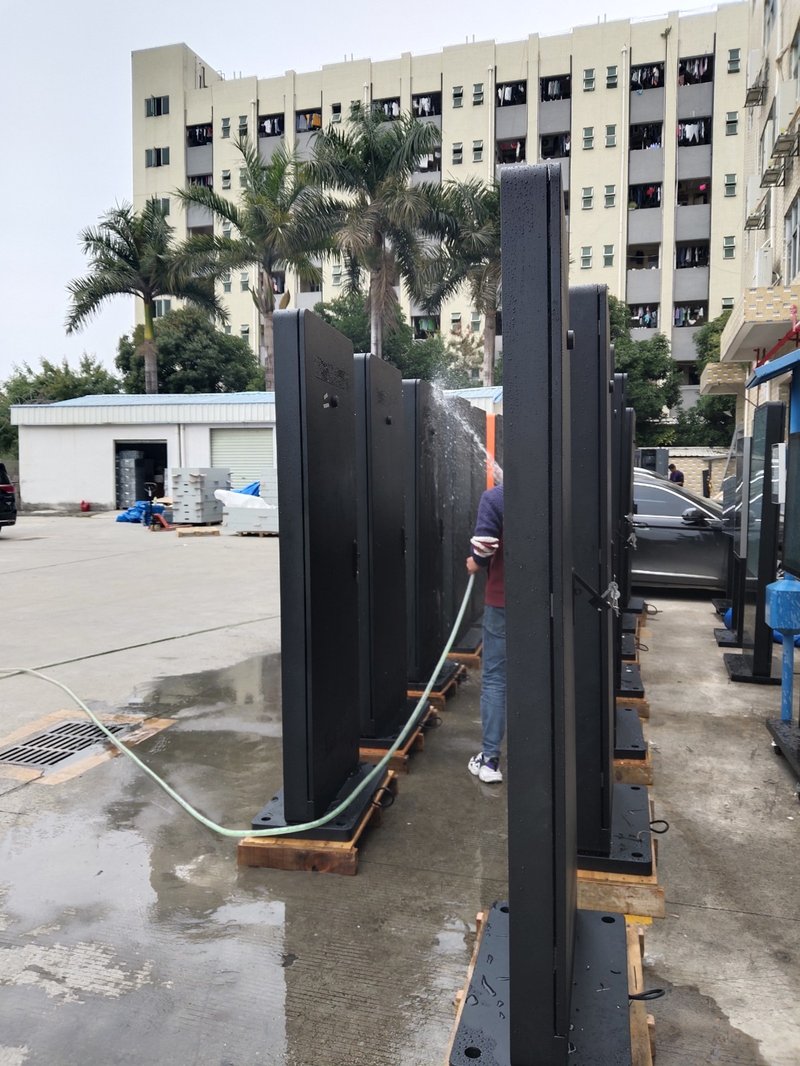
Outdoor digital signage refers to specialized commercial electronic display equipment purpose-built for harsh open-air environments. It integrates ultra-high-brightness LCD panels, heavy-duty structural enclosures, and multi-tier weatherproofing systems to withstand relentless sunlight, heavy rain, airborne dust, and extreme temperature fluctuations.
Compared to standard indoor commercial screens, outdoor digital displays prioritize daylight-readable nit brightness, IP-rated ingress protection, active thermal dissipation architecture, and continuous 24/7 all-weather reliability. Under direct sunlight, high-luminance panels ensure vivid, crisp readability, while industrial-grade chassis engineering guarantees long-term operational stability.
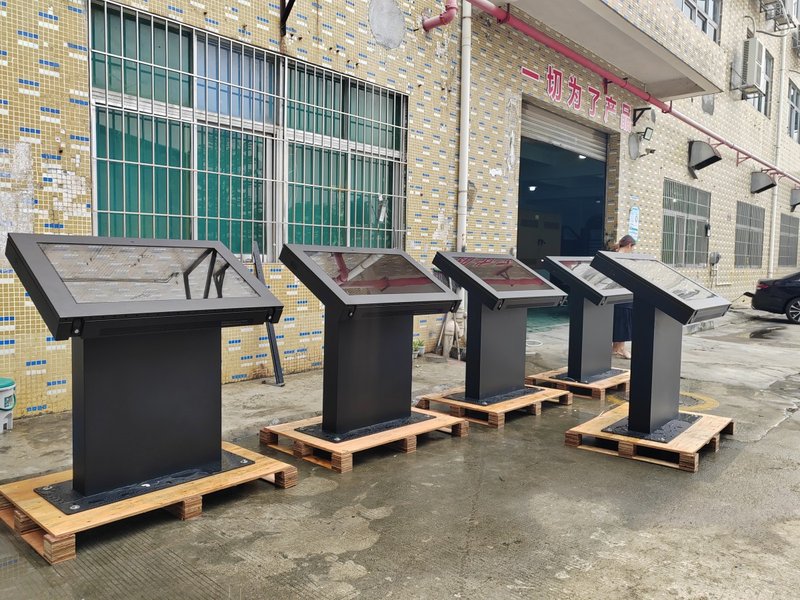
Based on operational needs, outdoor kiosks can be equipped with interactive touch panels (PCAP/IR), cloud-based Content Management Systems (CMS), high-speed network connectivity (Ethernet/4G/5G), and multimedia split-screen broadcasting, fulfilling diverse roles from interactive wayfinding to automated promotional advertising.
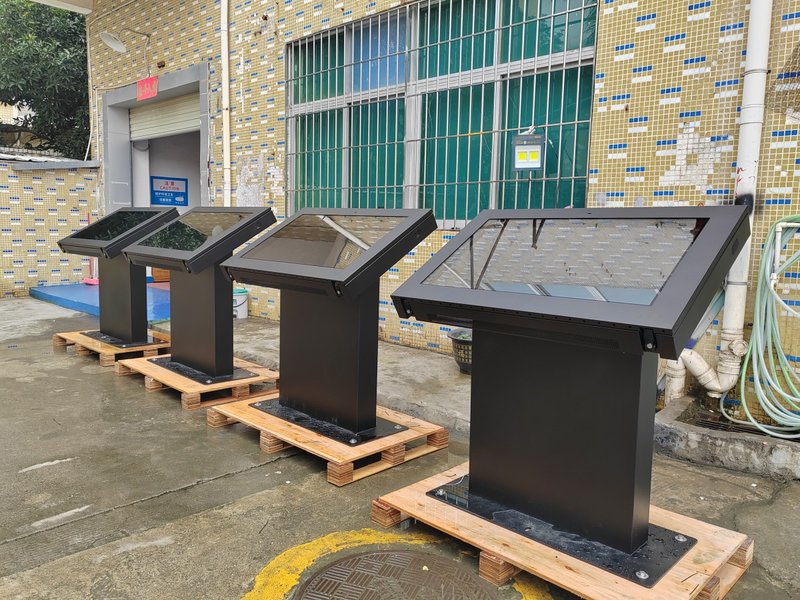
1. Floor-Standing (Freestanding Kiosk) Installation
Floor-standing deployment is one of the most widely utilized mounting configurations for outdoor digital signage. The kiosk is anchored directly to the ground via a reinforced base plate and structural foundation, creating an imposing, standalone digital landmark.
This method is ideal for high-traffic pedestrian zones such as commercial street entrances, shopping mall exterior plazas, hotel entryways, public squares, and transit hubs. The elevated screen height places content directly into the natural eye-level sightlines of passersby, maximizing visual impressions.
When installing a floor-standing kiosk, engineers must thoroughly evaluate concrete foundation depth, ground load-bearing capacity, anchor bolt shear strength, wind load resistance, and surrounding pedestrian clearance. Additionally, service access doors must be kept unobstructed for routine maintenance and internal inspection.
2. Wall-Mounted Installation
Wall-mounted installation utilizes building facades, structural concrete pillars, or architectural perimeter walls to suspend the outdoor advertising display securely at a designated height.
By eliminating ground footprint, this configuration is ideal for space-constrained locations such as mall entrance portals, building exterior facades, retail storefronts, and covered public walkways.
Before mounting, structural engineers must verify that the wall possesses sufficient load-bearing capacity to support the total cantilever weight of the commercial display. Additionally, power and network conduits must be planned cleanly. In outdoor settings, engineers must also verify that wall proximity does not obstruct thermal exhaust louvers and that service access remains fully accessible.
3. Recessed (In-Wall Flush) Installation
Recessed installation embeds the outdoor display seamlessly into architectural wall niches, stone pillars, or custom facade structures, integrating the display flush with the surrounding building surface.
This approach is widely adopted in luxury commercial developments, smart architectural spaces, and high-end branded environments where clean, minimalist aesthetics are paramount.
However, recessed mounting demands meticulous advance planning: precise rough-in dimensions, dedicated thermal ventilation intake and exhaust plenums, waterproof perimeter flashing, and front-maintenance access mechanisms must be rigorously engineered to prevent difficult servicing after installation.
4. Pylon and Pole-Mounted Installation
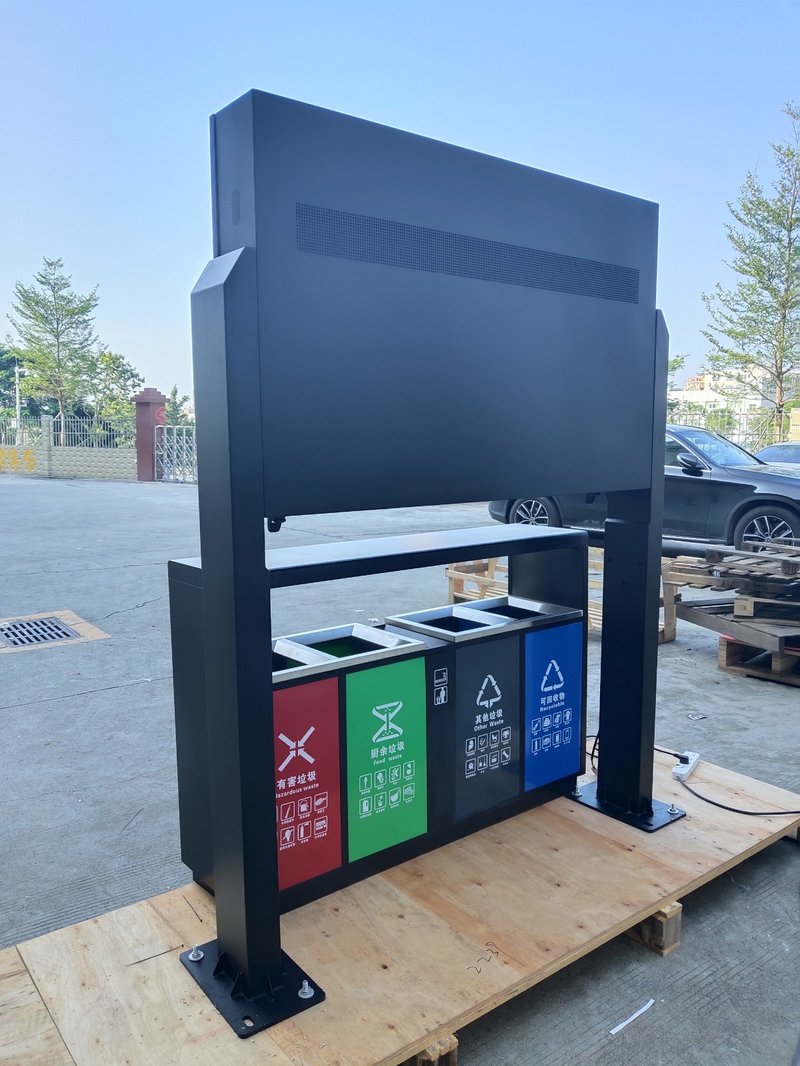
Pole-mounted installation secures the outdoor digital display atop heavy-duty steel columns or structural poles, engineered specifically for expansive open spaces and long-distance viewing.
Typical applications include parking facility entrances, highway corridors, corporate park gatehouses, and outdoor festival plazas.
Pole mounting significantly elevates screen positioning, expanding visual coverage across wide distances. However, structural foundation depth, concrete rebar anchoring, aerodynamic wind-load engineering, and lightning surge suppression must be rigorously calculated to ensure structural safety during extreme storms.
5. Mobile Trolley and Portable Installation
Mobile installation mounts the outdoor display onto a reinforced base frame equipped with heavy-duty locking industrial casters.
This configuration is ideal for temporary outdoor exhibitions, roadshows, seasonal promotions, sports events, and trade fairs. The ability to reposition the display dynamically provides operational flexibility for rotating events.
When deploying mobile outdoor kiosks, operators must ensure base plate ballast stability and verify wheel locks are engaged to prevent tipping in public pedestrian zones.
6. Ceiling-Suspended Installation
Certain outdoor and semi-outdoor architectural projects utilize ceiling suspension, hanging the digital display from overhead architectural trusses, canopy ceilings, or custom structural brackets.
This approach suits large covered transport terminals, convention center entry canopies, and architectural atriums, making efficient use of overhead vertical volume while maximizing visual exposure across open concourses.
Ceiling-suspended deployment requires thorough engineering evaluation of overhead structural load ratings, high-tensile safety cabling, wind-sway stabilization, and safe ladder/lift access for ongoing maintenance.
How to Select the Ideal Mounting Configuration
Choosing the right mounting method requires balancing aesthetic goals with functional site conditions:
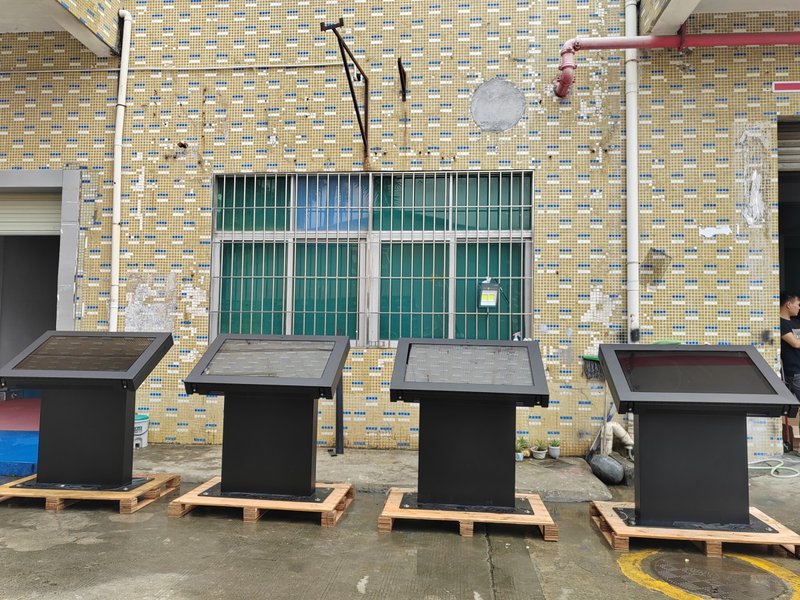
If the deployment area features massive foot traffic and requires maximum visual prominence, opt for floor-standing kiosks or elevated pole-mounted displays;
If ground space is constrained, wall mounting provides the optimal space-saving solution;
If architectural harmony and minimalist sophistication are the primary focus, recessed in-wall mounting is best;
For temporary events or dynamic campaigns, mobile configurations offer unmatched versatility.
Across all projects, decision-makers must holistically evaluate screen dimensions, viewing distances, electrical supply stability, network infrastructure, environmental ingress ratings, and lifecycle maintenance accessibility.
FAQ
Q1: What is the fundamental difference between outdoor digital signage and standard commercial displays?
Outdoor digital signage is engineered specifically for harsh open-air environments, featuring ultra-high nit brightness for sunlight readability, IP-rated weatherproof enclosures, industrial thermal management, and continuous 24/7 operational reliability.
Q2: Must outdoor digital signage be installed exclusively in open-air locations?
Not necessarily. Outdoor-grade displays are also frequently deployed in demanding semi-outdoor environments, such as covered transit shelters, shopping mall open-air entry portals, and hotel porte-cochères.
Q3: Which installation method is best for outdoor advertising kiosks?
There is no single "best" method. The ideal configuration depends entirely on installation site architecture, viewer sightlines, available footprint, wind load factors, and maintenance convenience.
Q4: Does outdoor digital signage require ongoing maintenance after installation?
Yes. Proactive routine maintenance—including optical glass cleaning, thermal fan filter inspection, waterproof seal verification, and electrical connection checks—is vital to ensuring long-term stable operation. In conclusion, selecting a professional Outdoor LCD Digital Signage Form Factors guarantees long-term operational stability, superior sunlight readability, and maximum commercial impact.
Looking for customized Outdoor LCD Digital Signage Form Factors solutions, high-brightness outdoor digital signage kiosks, or weatherproof commercial displays? Feel free to contact the ZXTLCD engineering team for detailed technical specifications, mounting drawings, and volume pricing.