Oct 14, 2026Installation & Maintenance
Scheduled Outdoor Signage Servicing: A Complete Preventive Maintenance and Inspection Blueprint
Scheduled outdoor signage servicing blueprint: preventive seasonal maintenance schedules covering waterproof seals, fans, and optical glass care.
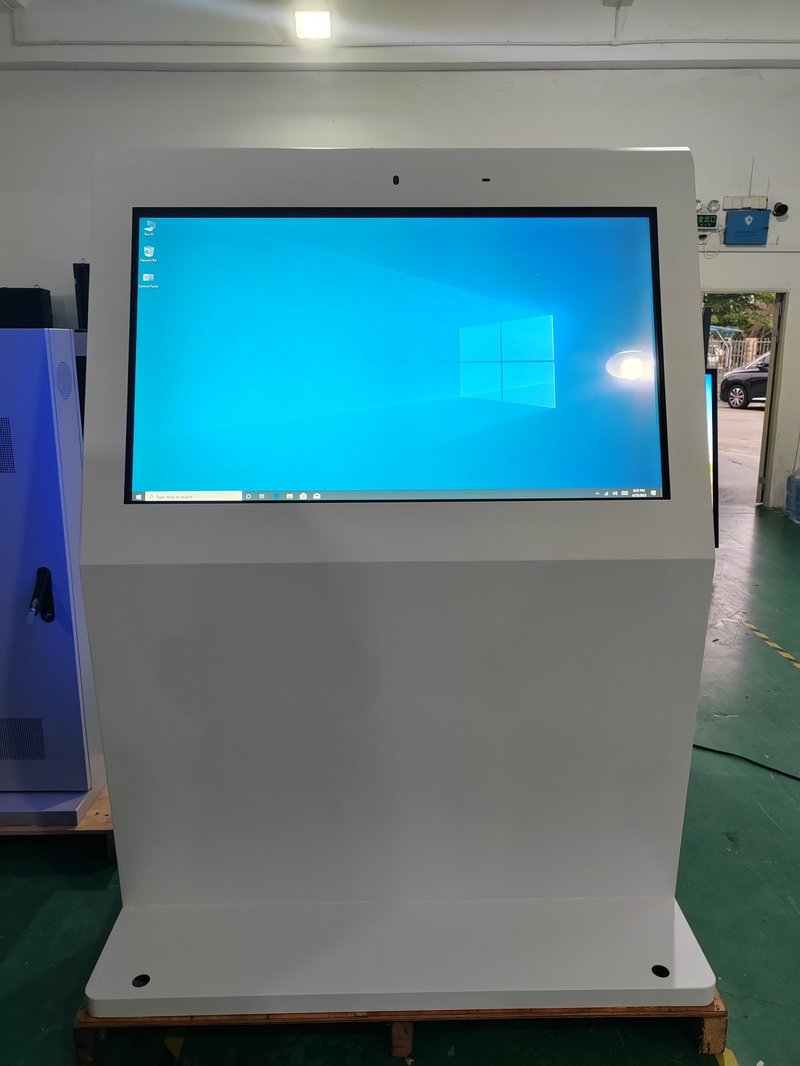
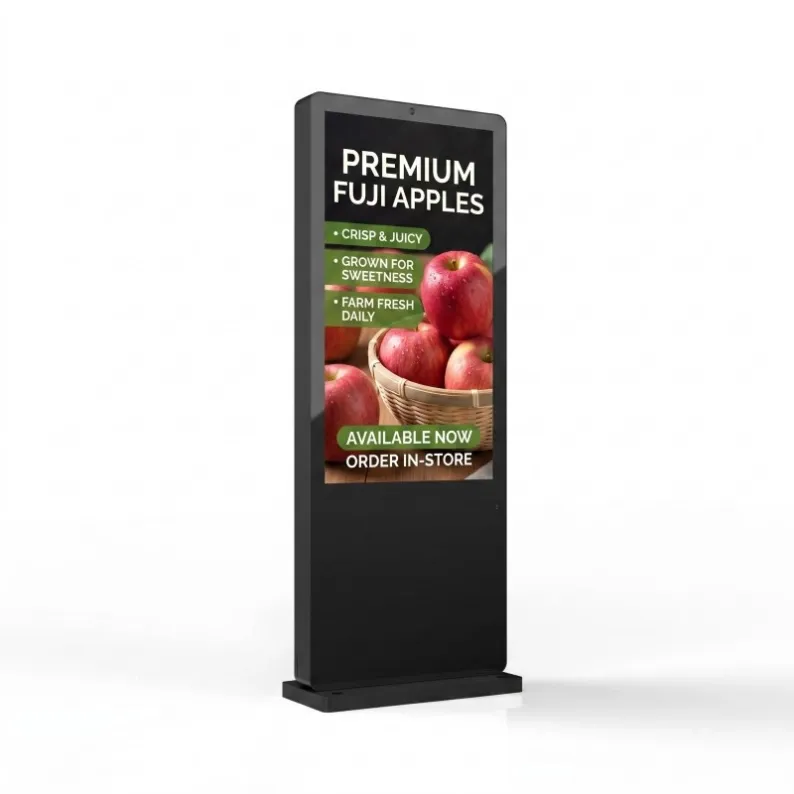
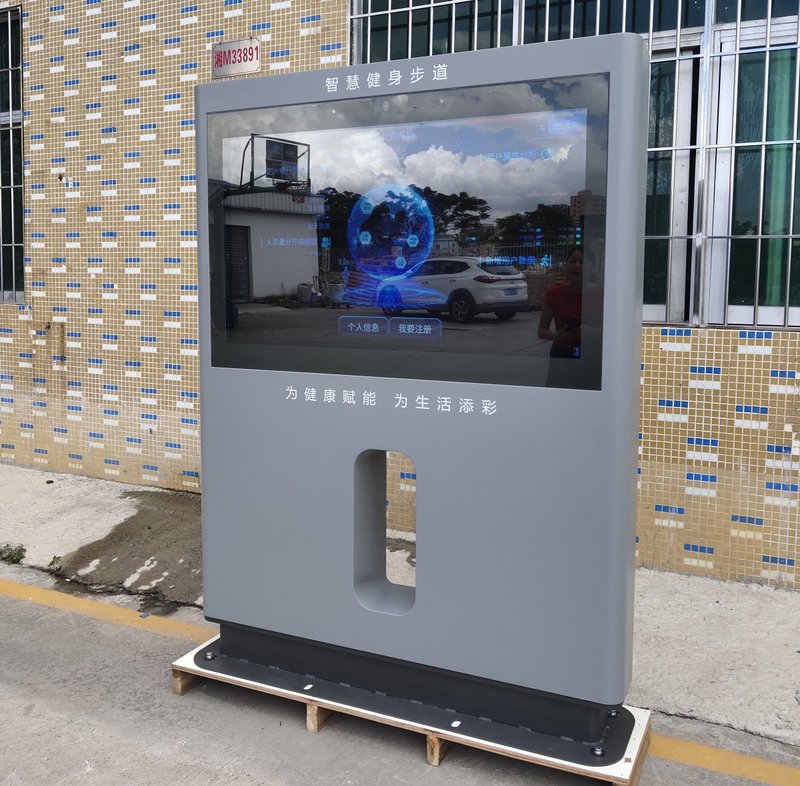
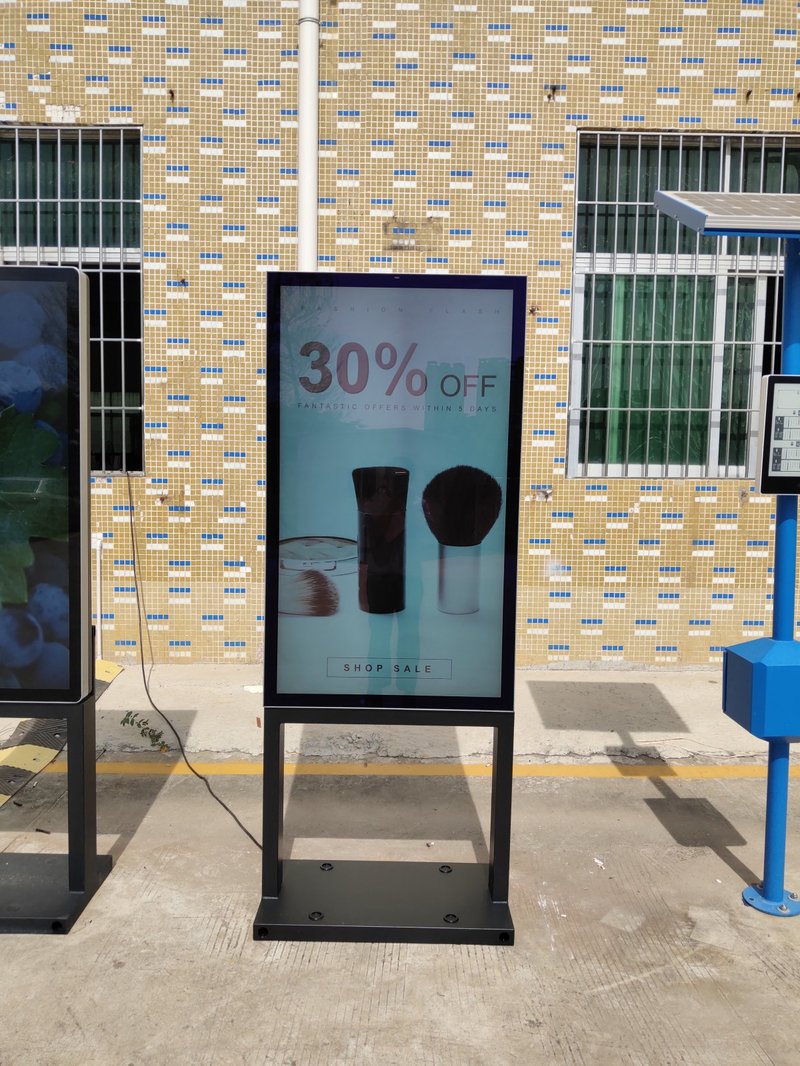
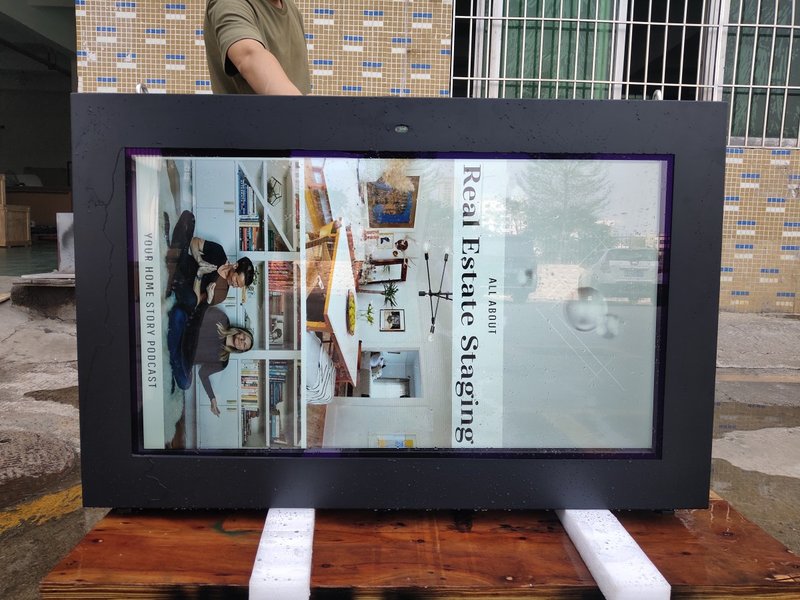
Deploying a high-performance Scheduled Outdoor Signage Servicing provides commercial spaces and public venues with an all-weather digital display solution. As essential equipment for dynamic information display and content distribution, outdoor advertising kiosks are widely utilized across commercial districts, transit hubs, and public spaces. By delivering dynamic visual content and real-time public notices, outdoor digital signage significantly enhances spatial communication efficiency and visual presentation.
However, because outdoor kiosks operate continuously in demanding environments exposed to extreme temperature swings, airborne dust, humidity, and 24/7 duty cycles, regular maintenance and scheduled inspections are critical to maintaining equipment stability and longevity.
1. The Necessity of Regular Maintenance for Outdoor Advertising Kiosks with a Scheduled Outdoor Signage Servicing
Installed in exterior environments over extended periods, outdoor kiosks must cope with severe and varied climatic conditions. Among all functional subsystems, the thermal management system is pivotal in determining long-term operational stability.
Take air-cooled outdoor advertising kiosks as an example: they primarily rely on continuous airflow to dissipate the substantial heat generated during operation. Since outdoor ambient air inevitably carries dust, particulate matter, and environmental debris, extended operation can cause these particulates to accumulate on cooling fans, ventilation paths, and air intake filters. Over time, this restricts airflow and degrades heat dissipation efficiency.
Persistent internal dust accumulation can lead to elevated internal operating temperatures, jeopardizing the performance and service life of sensitive electronic components. Consequently, routine cleaning and servicing of cooling components are fundamental to maintaining peak operational condition.
For outdoor kiosks equipped with built-in air conditioning or closed-loop heat exchangers, environmental adaptability is inherently superior. Nonetheless, their thermal components still require periodic inspection and servicing. Key elements such as cooling modules, hermetic seals, and electrical controls must be inspected regularly to prevent degraded cooling performance from interrupting normal display operation.
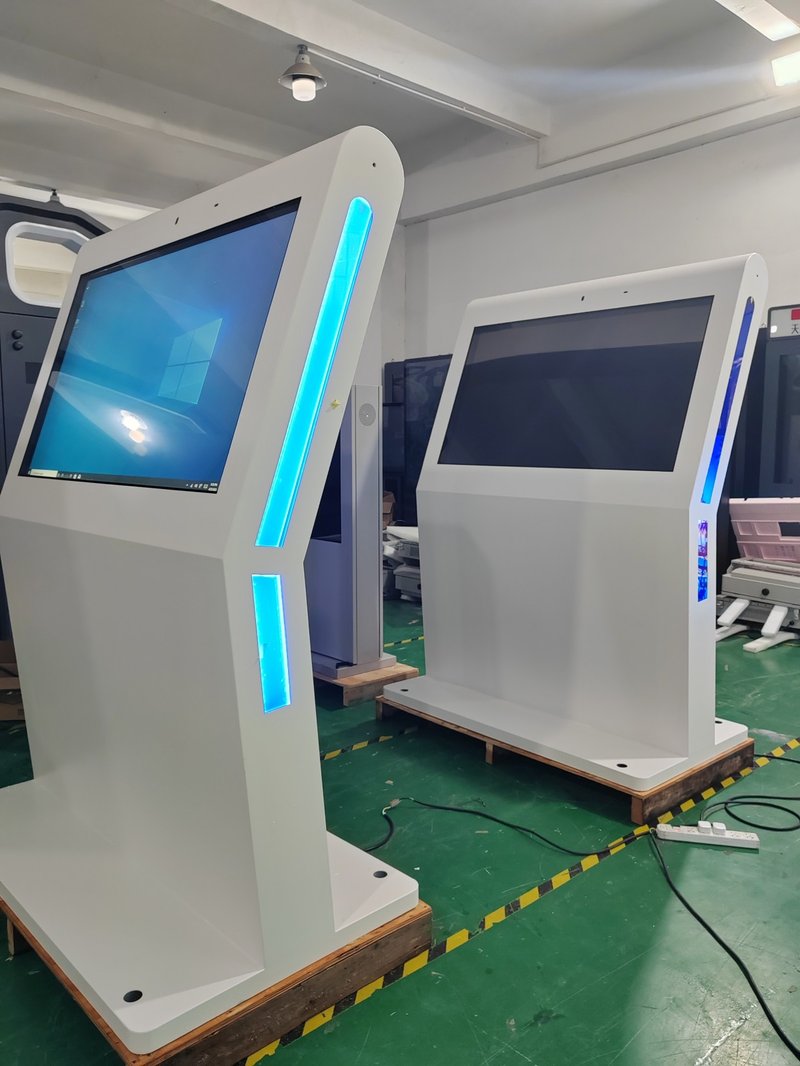
2. Key Maintenance Procedures for Outdoor Advertising Kiosks
Maintenance of Air-Cooled Outdoor Advertising Kiosks
1. Inspect Ventilation Ducts and Internal Dust Accumulation
Air-cooled equipment relies heavily on unobstructed internal airflow circulation. Periodically inspect the cabinet interior for visible dust buildup, paying close attention to cooling fans, intake/exhaust grilles, and heat sink fins.
When performing cleaning, follow the manufacturer's structural guidelines and use appropriate antistatic, non-abrasive tools to avoid damaging internal circuits. If comprehensive internal maintenance is required, certified technicians should execute the procedure in accordance with the equipment manual.
2. Verify Cooling Fan Operational Status
Cooling fans represent the core active component of an air-cooling system. During routine servicing, observe their running status and check for abnormal vibration, friction noises, or unstable RPM.
If fan performance abnormalities are detected, diagnose the root cause immediately and service or replace the affected fan modules to prevent thermal throttling or localized hotspots.
3. Inspect Cabinet Enclosures and Ingress Protection Structures
Outdoor rain, airborne moisture, UV exposure, and thermal cycling can exert wear on the kiosk's exterior enclosure and weatherproofing structures.
During maintenance, inspect the cabinet body for physical damage, paint degradation, structural corrosion, or compromised gaskets. Ensuring the enclosure maintains its original IP rating effectively shields internal electronics from external moisture and dust ingress.
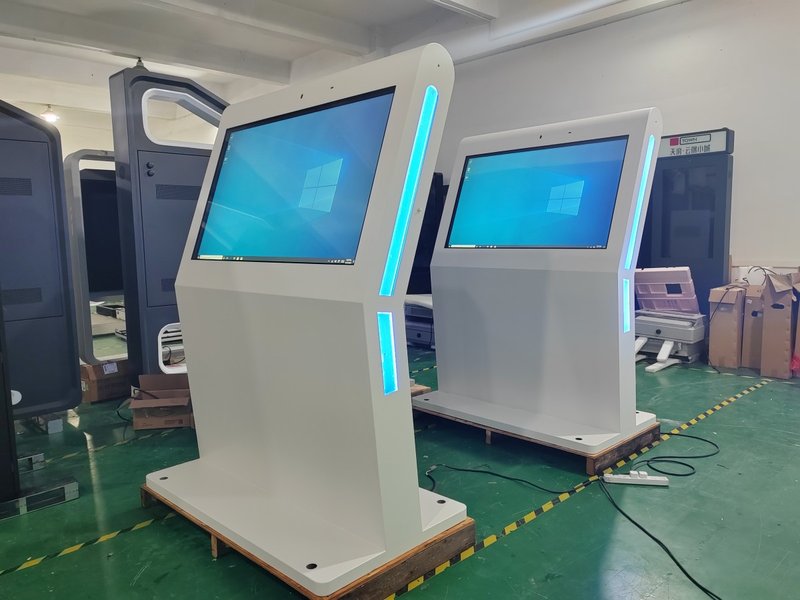
Maintenance of Air-Conditioned and Heat-Exchanger Outdoor Kiosks
1. Check Thermal System Operating Status
For outdoor kiosks utilizing compressor-based air conditioning, cooling modules, condenser coils, refrigerant lines, and related fittings must be inspected on a regular schedule.
If reduced cooling capacity, unusual operating cycles, or temperature control deviations are detected, prompt diagnostic checks are necessary to prevent heat-related display degradation or system shutdowns.
2. Inspect Ingress Protection and Weatherproofing Seals
The ingress protection capability of outdoor kiosks relies heavily on the integrity of their hermetic sealing systems.
During servicing, inspect door sealing strips, cable entry glands, and waterproof gaskets for signs of aging, brittleness, tearing, or displacement. Ensuring intact seals prevents moisture, rain, and fine dust from breaching the cabinet interior.
3. Check Electrical Connections and Wiring Integrity
Routinely inspect primary power lines, distribution blocks, industrial connectors, and internal wiring harnesses to ensure there is no loosening, thermal discoloration, oxidation, or mechanical damage.
Any discovered electrical anomaly must be addressed immediately to eliminate safety hazards and prevent intermittent power faults from disrupting normal operation.
3. Establishing a Well-Structured Maintenance Schedule
Different deployment environments and enclosure architectures necessitate tailored maintenance cycles. Operators should formulate a scientific inspection schedule based on specific environmental conditions, daily running hours, and operational history.
Routine daily/weekly checks should encompass visual inspections of the exterior housing, protective glass surface cleaning, and basic operational observation. Periodic monthly/quarterly maintenance should delve deeper into the thermal management systems, electrical connections, weatherproofing seals, and structural anchors.
Conclusion
The reliable, long-term operation of an outdoor advertising kiosk depends not only on robust engineering design but also on systematic, disciplined maintenance management. Regularly inspecting cooling systems, keeping enclosures clean, maintaining weatherproofing seals, and verifying electrical integrity will ensure the equipment consistently delivers superior visual performance and dependable commercial value.
ZXTLCD provides commercial-grade display solutions engineered for diverse outdoor environments. Based on specific mounting locations, climate requirements, and display objectives, we deliver optimized outdoor digital signage hardware solutions tailored to commercial branding, smart city infrastructure, and public information dissemination. In conclusion, selecting a professional Scheduled Outdoor Signage Servicing guarantees long-term operational stability, superior sunlight readability, and maximum commercial impact.
Looking for customized Scheduled Outdoor Signage Servicing solutions, high-brightness outdoor digital signage kiosks, or weatherproof commercial displays? Feel free to contact the ZXTLCD engineering team for detailed technical specifications, mounting drawings, and volume pricing.