Oct 14, 2026Installation & Maintenance
Wind-Resistant Outdoor Kiosk Engineering: Ensuring Structural Integrity in Open Commercial Plazas
Wind-resistant outdoor kiosk engineering: aerodynamic housing design, internal steel ribbing, and deep concrete anchoring for storm-prone plazas.
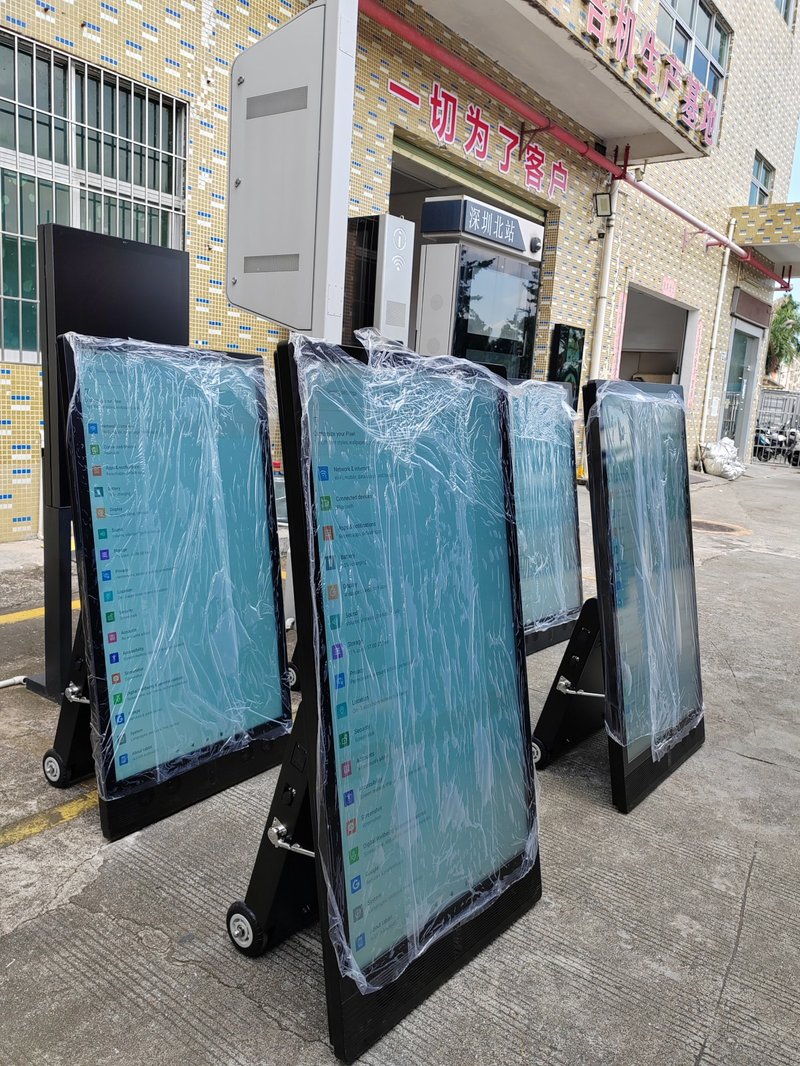
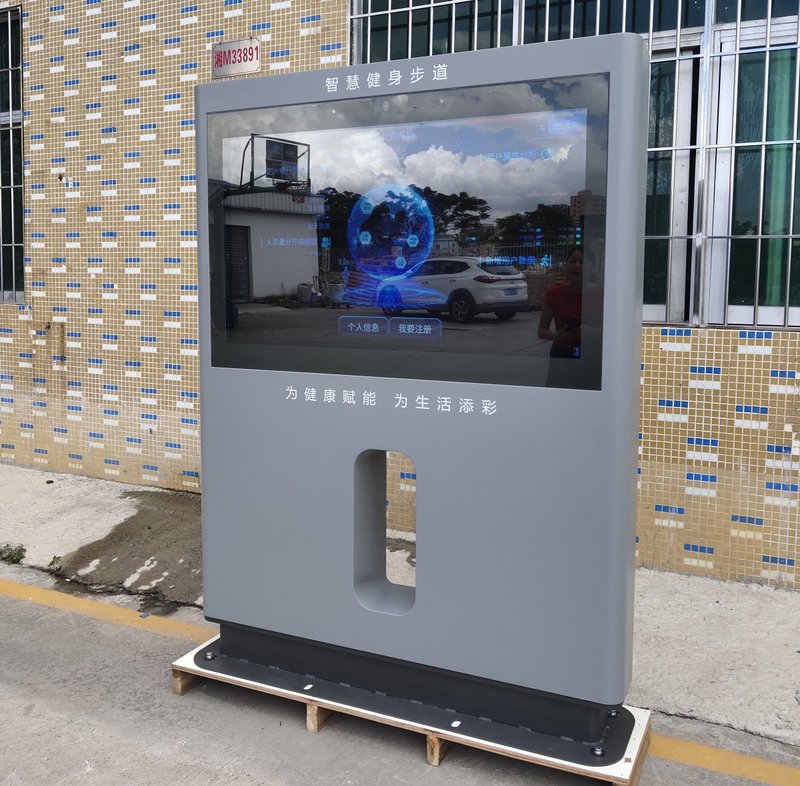
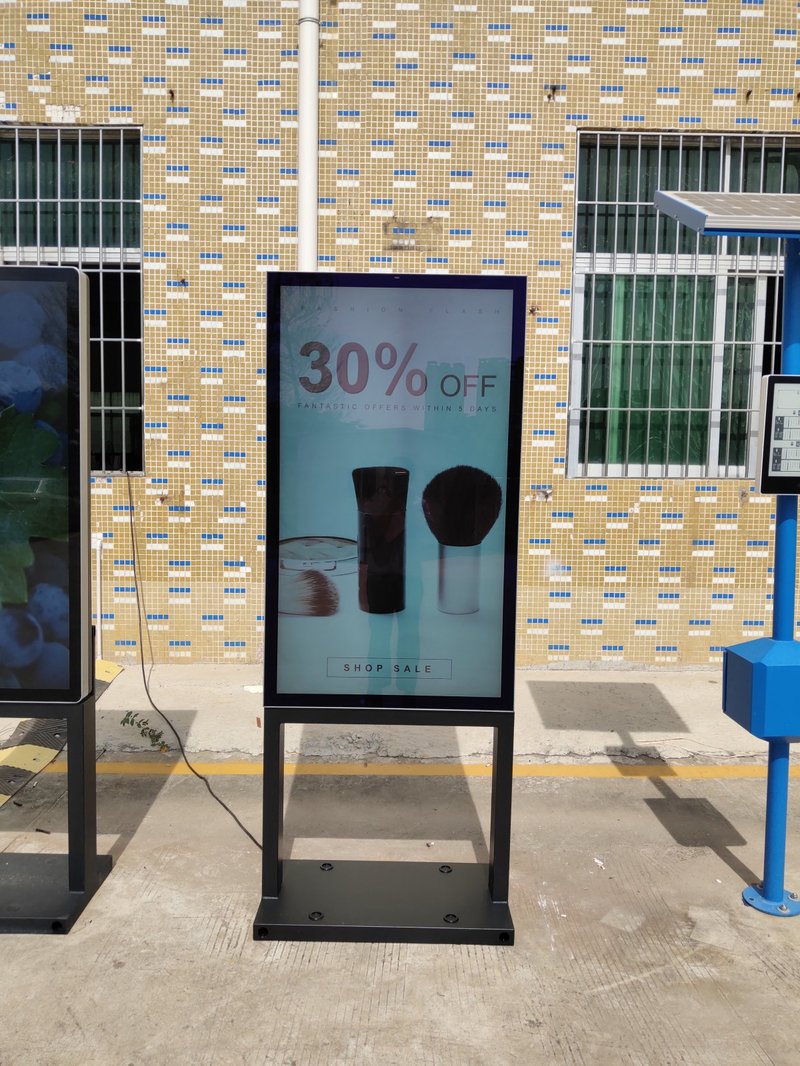
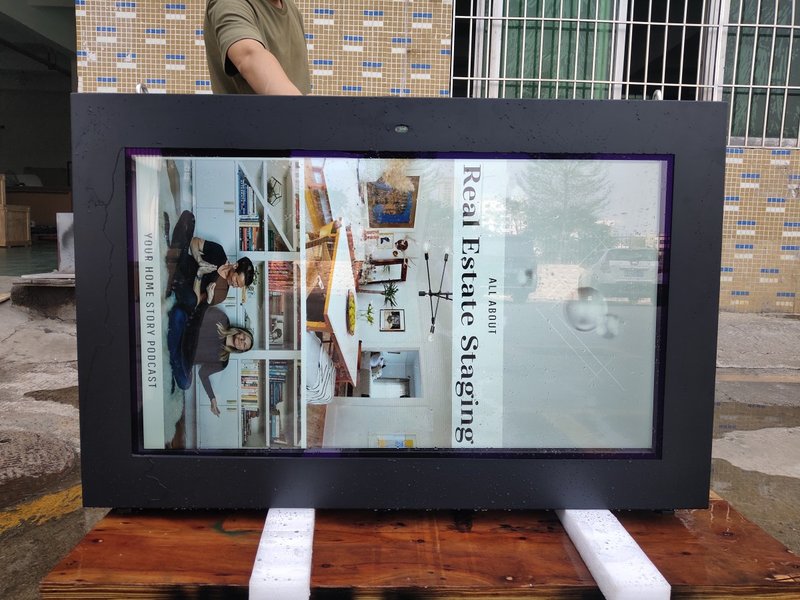
Deploying a high-performance Wind-Resistant Outdoor Kiosk Engineering provides commercial spaces and public venues with an all-weather digital display solution. In wide-open public spaces such as civic plazas, pedestrian shopping boulevards, tourist resort entrances, and luxury hotel forecourts, outdoor freestanding (floor-standing) advertising kiosks have become standard equipment for high-impact commercial information display.
Compared to indoor digital signage, outdoor freestanding kiosks must withstand a considerably more demanding and volatile physical environment. Beyond delivering vibrant, high-definition visuals, these units must continuously endure severe aerodynamic wind forces, driving rain, airborne dust, and 24/7 operating stresses.
Particularly when installed in vast plazas or alongside broad roadways where natural windbreaks are absent, equipment remains completely exposed to environmental extremes. Consequently, aerodynamic wind resistance and foundational anchoring stability represent primary engineering considerations during project design.
Wind-Resistant Outdoor Kiosk Engineering: Why Do Outdoor Freestanding Advertising Kiosks Require Specialized Wind-Resistant Design?
Unlike sheltered indoor environments, outdoor settings experience substantial and unpredictable atmospheric airflow.
When a digital kiosk is erected in an unobstructed open space, it acts as a bluff body resisting dynamic wind pressure. The larger the display diagonal, the greater the frontal surface windage area (drag profile), which exponentially increases overturning moments exerted on the cabinet structure and foundation.
If foundation anchoring or chassis rigidity is inadequate, severe winds can cause cabinet oscillation, permanent structural tilting, or catastrophic toppling—jeopardizing public safety and destroying commercial hardware.
Therefore, outdoor freestanding digital kiosks require holistic structural optimization across chassis engineering, base plate design, and foundation anchoring.
Robust Base Engineering Maximizes Overall Stability
The fundamental stability of any freestanding outdoor kiosk originates at its ground contact interface.
During project planning, mechanical anchoring schemes must be customized according to cabinet dimensions, center of gravity, total operating weight, and localized wind load codes.
Standard engineering methods include:
- Cast-in-place reinforced concrete foundations;
- High-tensile steel anchor bolts (J-bolts);
- Pre-cast subterranean steel mounting cages;
- Custom-welded heavy-duty steel base adapter plates.
By establishing an ultra-strong mechanical bond between the kiosk chassis and the concrete footing, overall overturning resistance is vastly enhanced, ensuring the unit withstands extreme weather.
For kiosks deployed across expansive municipal plazas or coastal zones, local meteorological wind velocity records must be factored into structural calculations to determine foundation depth and reinforcement density.
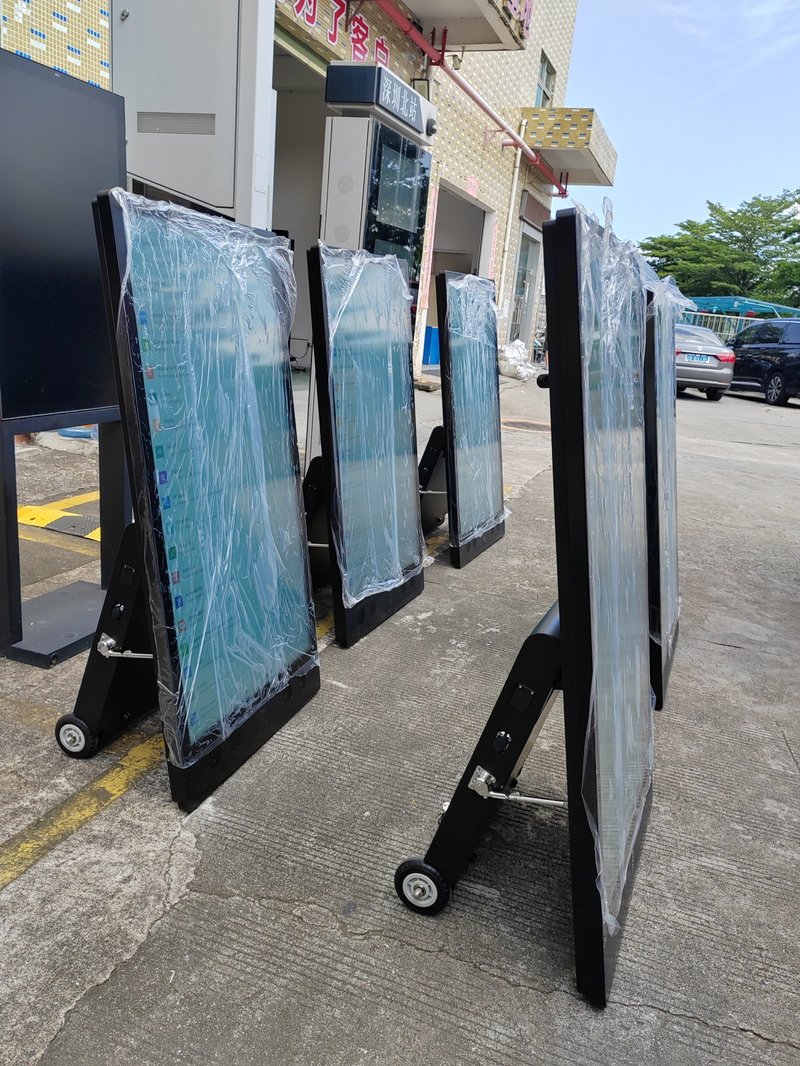
Cabinet Structural Rigidity and Aerodynamic Integrity
Beyond ground anchoring, the kiosk's internal structural skeleton is equally critical to aerodynamic survival.
Outdoor freestanding kiosks must employ heavy-duty galvanized steel or aviation-grade aluminum internal frames to maximize load-bearing capacity and torsional stiffness.
A well-engineered internal skeleton prevents harmonic vibration and elastic deflection when subjected to violent wind gusts, thereby shielding delicate optical LCD panels, power distribution units, and internal wiring harnesses from mechanical stress.
Furthermore, exterior shell thickness, seam welding techniques, panel fastener spacing, and optimized mass distribution all contribute significantly to overall stability in stormy outdoor environments.
Selecting the Optimal Installation Location
Even with a structurally hardened chassis, poorly chosen installation positioning can compromise performance and safety.
Key deployment considerations include:
- Open Plaza Environments: Evaluate local prevailing wind tunnels and shielding effects created by adjacent architectural facades;
- Roadside Installations: Maintain safe setback clearances from vehicular lanes and pedestrian pathways;
- Commercial Storefront Entrances: Balance high-visibility sightlines with unobstructed pedestrian thoroughfares.
Conducting a thorough pre-installation site assessment ensures the selection of the most secure placement and appropriate anchoring method.
Holistic Environmental Adaptability Beyond Wind Resistance
While wind resistance guarantees structural safety, an outdoor kiosk must satisfy multifaceted operational demands over a multi-year lifecycle:
- Sunlight Readability: High-brightness panels (2,000 to 2,500+ nits) with anti-reflective glass for legible viewing under bright midday sun;
- All-Weather Ingress Protection: IP55 or IP65 sealed enclosures to keep out rain, humidity, and airborne particulates;
- Intelligent Thermal Management: Active forced-air cooling or industrial air conditioning to maintain optimal internal operating temperatures;
- Electrical Safety: Surge suppression, lightning protection, and waterproof cable routing;
- Service Access: Ergonomic maintenance door layouts that facilitate straightforward filter cleaning and electronic servicing.
A premium outdoor freestanding kiosk must not only stand firm against gale-force winds, but also operate seamlessly across every seasonal climate variation.
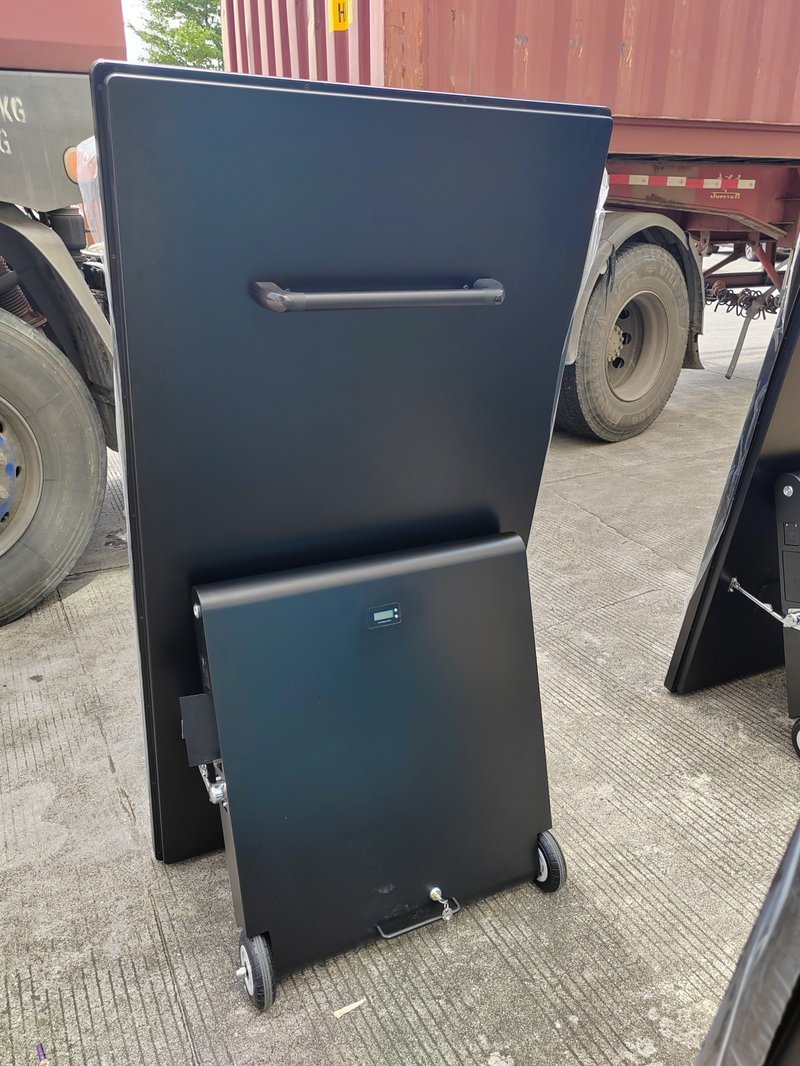
Why Are Freestanding Kiosks the Premier Choice for Plaza Campaigns?
Civic plazas and shopping promenades attract dense pedestrian crowds where message visibility is paramount.
Freestanding advertising kiosks offer standalone installation flexibility, ideal human-scale eye-level viewing heights, and dynamic multimedia playback capabilities. They excel across commercial brand building, event promotions, municipal announcements, and interactive visitor navigation.
Through cloud-connected digital content management, businesses can update broadcast campaigns on the fly, delivering timely, highly engaging advertising that captures pedestrian interest.
FAQ
Q1: How do engineers enhance the wind resistance of outdoor freestanding kiosks?
Wind resistance is optimized by reinforcing subterranean concrete foundations, utilizing high-tensile embedded anchor bolts, strengthening internal steel chassis frames, and engineering aerodynamic exterior enclosures tailored to local wind load standards.
Q2: Is a dedicated concrete foundation required for all outdoor advertising kiosks?
Not in every case. Requirements depend on cabinet size, total mass, and ground conditions. However, large freestanding outdoor units almost always require an engineered reinforced concrete foundation to guarantee stability.
Q3: Where are outdoor freestanding kiosks most effectively deployed?
They are ideal for commercial plazas, shopping mall perimeters, scenic tourist parks, luxury hotel forecourts, business campuses, and public transit concourses.
Q4: What critical factors besides wind resistance must be evaluated for outdoor freestanding kiosks?
Essential factors include optical sunlight readability, ingress protection (IP ratings), intelligent cooling/heating architectures, electrical safety, and maintenance convenience. In conclusion, selecting a professional Wind-Resistant Outdoor Kiosk Engineering guarantees long-term operational stability, superior sunlight readability, and maximum commercial impact.
Looking for customized Wind-Resistant Outdoor Kiosk Engineering solutions, high-brightness outdoor digital signage kiosks, or weatherproof commercial displays? Feel free to contact the ZXTLCD engineering team for detailed technical specifications, mounting drawings, and volume pricing.