Aug 20, 2026Material Notes
17 32-Inch Landscape Wall-Mounted Outdoor Displays in Batch Assembly
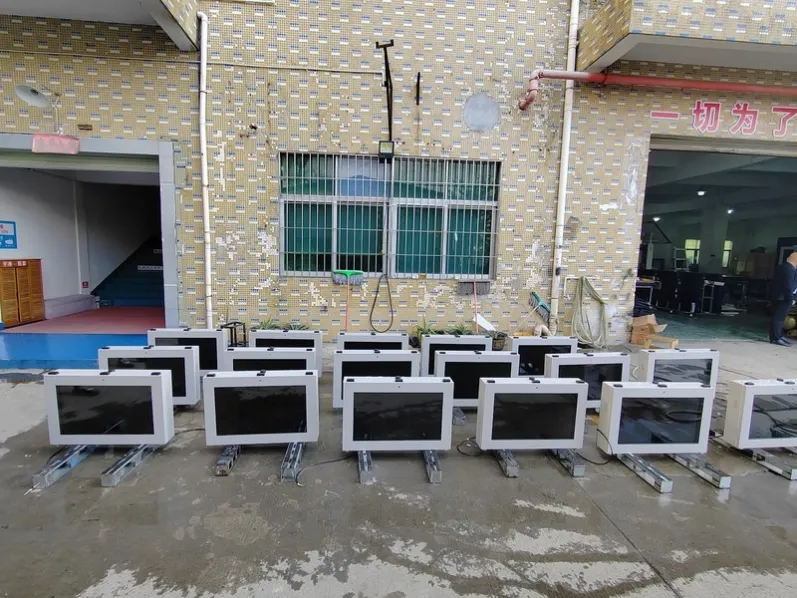
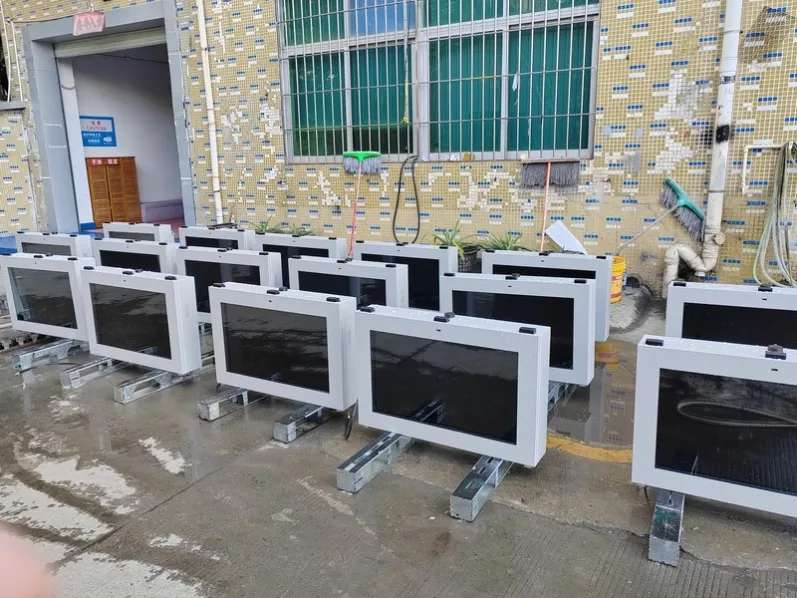
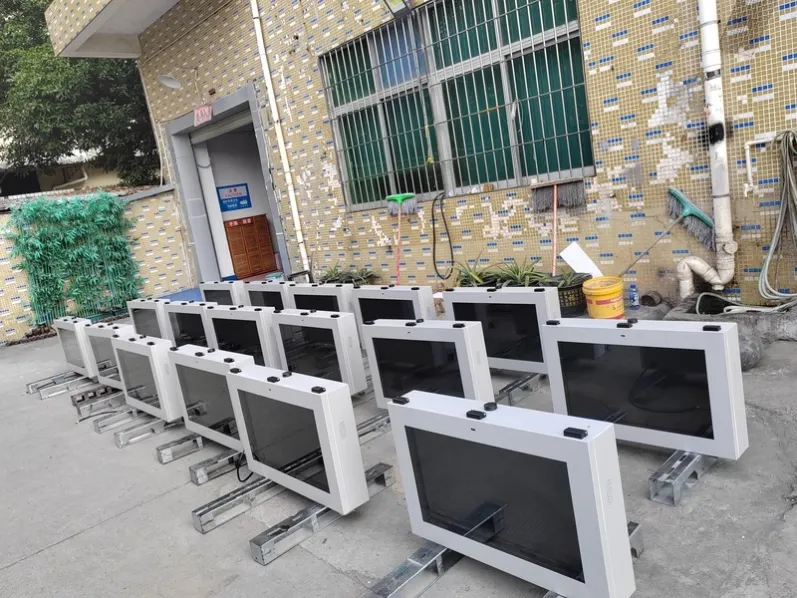
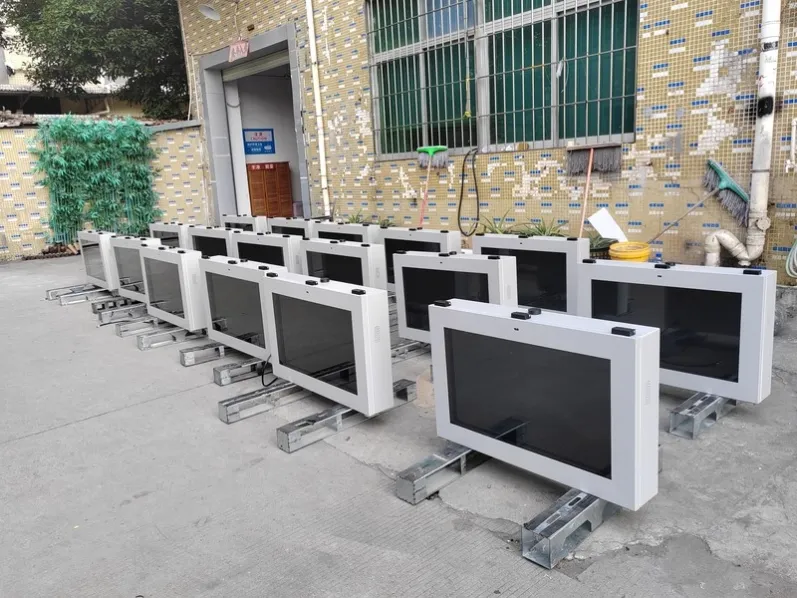
Seventeen 32-inch landscape wall-mounted outdoor displays are undergoing batch assembly and inspection for a project requiring wide-format content and clear ground access.
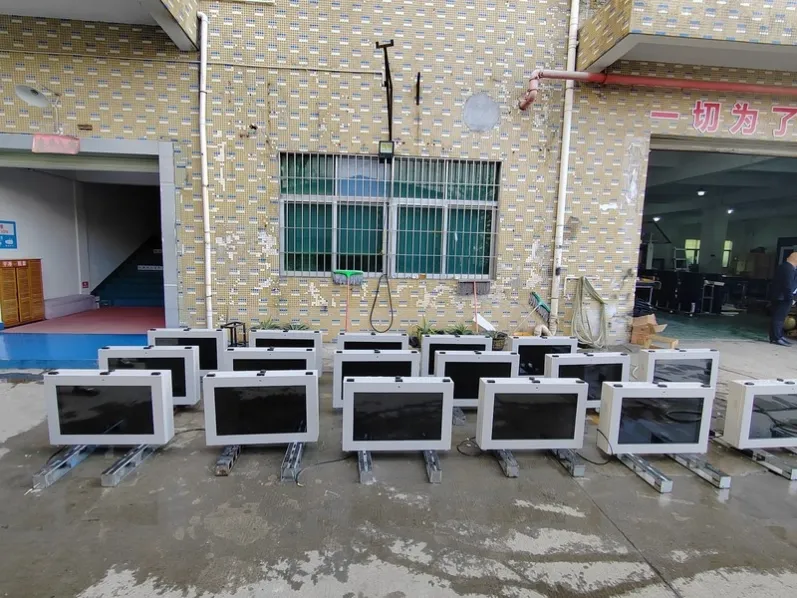
17 32-Inch Landscape Wall-Mounted Outdoor Displays in Batch Assembly
ZXT LCD is completing a batch project involving 17 32-inch landscape wall-mounted outdoor displays. Production images show multiple white horizontal enclosures after their main assembly, grouped together for further inspection. Instead of occupying the ground with a full-height standing cabinet, this display format uses a wall or purpose-designed supporting structure. It can therefore suit locations where pedestrian movement, queuing space or the existing ground layout must remain clear.
A Landscape Screen Supports Wide-Format Information
A 32-inch landscape screen provides a natural layout for promotional graphics, menus, directions, service processes and multi-zone pages. Content designers can place the main visual on one side and supporting headlines, pricing or instructions on the other. They can also divide the screen into horizontal or vertical information areas to help viewers identify important details quickly.
The final result still depends on media prepared for the correct screen ratio. Compressing a portrait poster into a landscape layout can reduce text size and weaken the information hierarchy. The project operator should prepare pages according to viewing distance, installation height and ambient brightness. Limiting the amount of information on each page allows the 32-inch display area to support practical readability.
Wall Mounting Preserves More Ground Space
A wall-mounted outdoor display does not require an independent floor-standing base. This reduces the equipment footprint in pedestrian routes, waiting areas and service zones. At shopfronts, building entrances, collection points or public-service locations, the screen can be positioned at a height that follows the approach direction and brings the content closer to the viewer's normal line of sight.
Preserving floor space does not make the structural requirements less important. The wall or supporting frame must carry the equipment load, and the mounting holes, brackets, fasteners and anti-drop measures should match both the display and the site material. Standard indoor television brackets should not be assumed suitable for an outdoor project without structural confirmation.
Height, Viewing Angle and Cable Entry Need Joint Planning
Screen-centre height should follow the main viewing group, working distance and any touch requirement. Mounting the display too high can make information or interaction difficult, while positioning it too low increases the risk of impact. When the screen faces strong daylight, brightness, front-surface reflection and viewing angle also need to be reviewed together.
Power and network cables normally enter the enclosure through the wall or supporting frame. Their outlet positions, sealing method and maintenance allowance should be confirmed before construction. Poor routing can leave cables exposed and can also obstruct removal of the screen during later servicing.
Outdoor Protection Depends on the Real Mounting Position
A wall-mounted display may be installed under a canopy, in a semi-open corridor, on an exterior wall or in a more exposed position. Each location presents different levels of rain, dust, temperature and sunlight. Enclosure sealing, interface protection, cooling and screen brightness should be selected for the actual environment rather than assuming that every outdoor location requires an identical configuration.
Suitable ventilation and service clearance should remain between the display and the mounting surface. If the project adds a rain cover or decorative outer frame, it must not obstruct ventilation zones, service access or drainage. Supplying site photographs and installation drawings before production helps incorporate these structural conditions into the equipment plan.
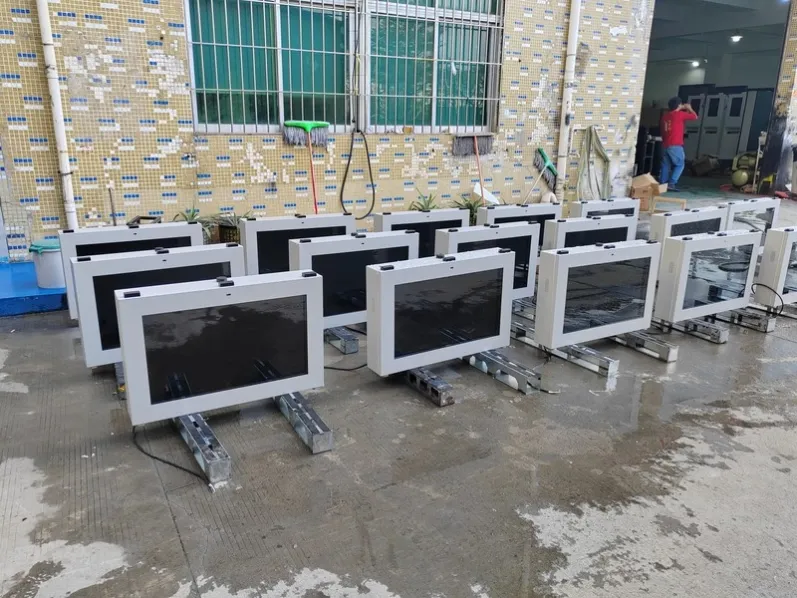
Batch Inspection Covers the Critical Connections of All 17 Units
The 17-unit batch needs consistent landscape orientation, enclosure dimensions, mounting interfaces and exterior finish. After assembly, each unit should be checked for screen fixing, door and joint condition, external interfaces and confirmed internal components. Powered display testing and basic system-startup checks are also part of the inspection process, while mounting hardware and accessories should be verified against the order list.
The available production record confirms that the equipment is in the factory assembly and inspection stage. It does not establish that the displays have been shipped or are already operating at the customer site. Packing, shipment and installation should only be reported after those milestones have been confirmed.
Installation and System Details Should Be Confirmed Before Production
Before purchasing a 32-inch wall-mounted outdoor display, the customer should confirm the installation position, wall material, screen orientation, brightness requirement, operating system, content-publishing method, network connection and local electrical standard. Touch functionality, custom colours, branding, special interfaces and matching wall brackets should also be included in the project requirements.
ZXT LCD can coordinate the landscape enclosure, mounting interface, display configuration and batch inspection according to the installation environment. Customers can submit site photographs, installation drawings, order quantity and control-system requirements so the structure and configuration can be reviewed before manufacturing begins.
If you would like to get the specification about above product, please contact our sales team now.