Aug 27, 2026Material Notes
How to Choose an Outdoor LCD Display for Standing, Wall, Window and Transit Locations
Compare floor-standing, wall-mounted, window-facing and transit applications before selecting an outdoor LCD display.
How to Choose an Outdoor LCD Display for Standing, Wall, Window and Transit Locations
Selecting an outdoor LCD display should begin with the installation environment, not a screen size or a single brightness number. Light direction, pedestrian flow, viewing distance, service access and operating hours differ between a commercial entrance, window, transit stop and public campus. The right product is the one that fits those constraints and remains maintainable after installation.
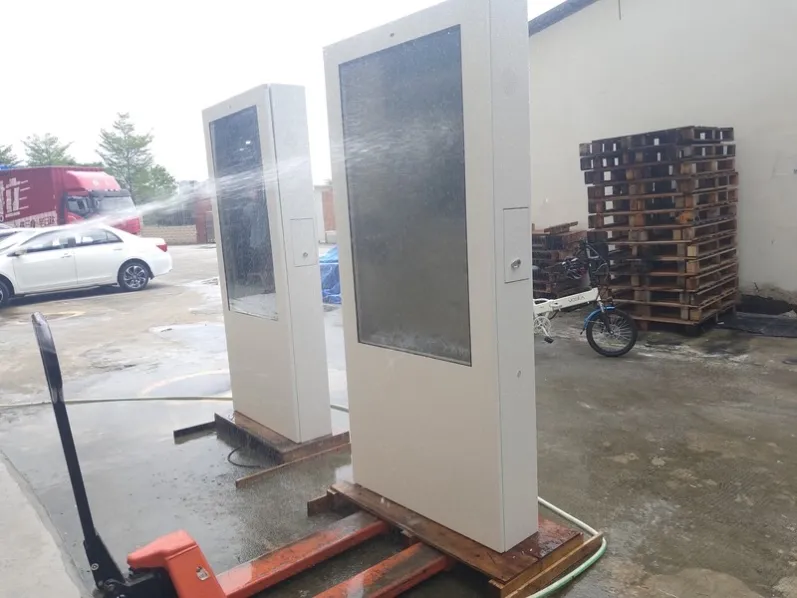
Floor-Standing Displays: Review Foundations, Traffic and Wind
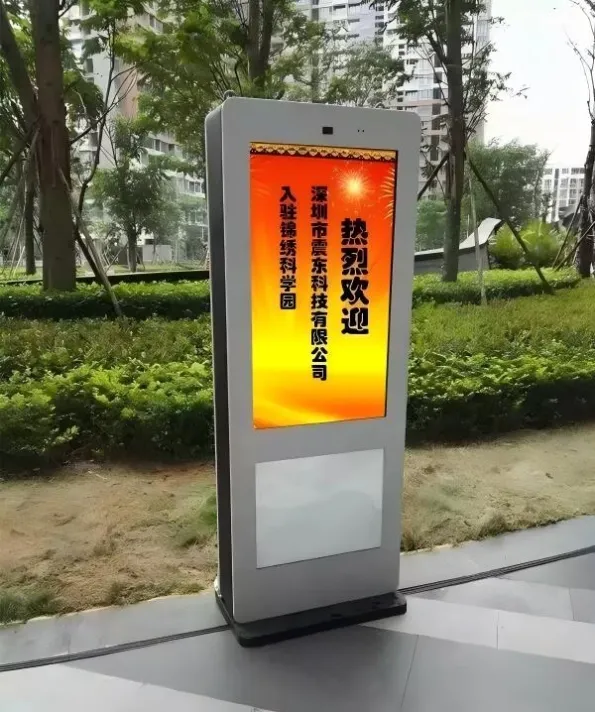
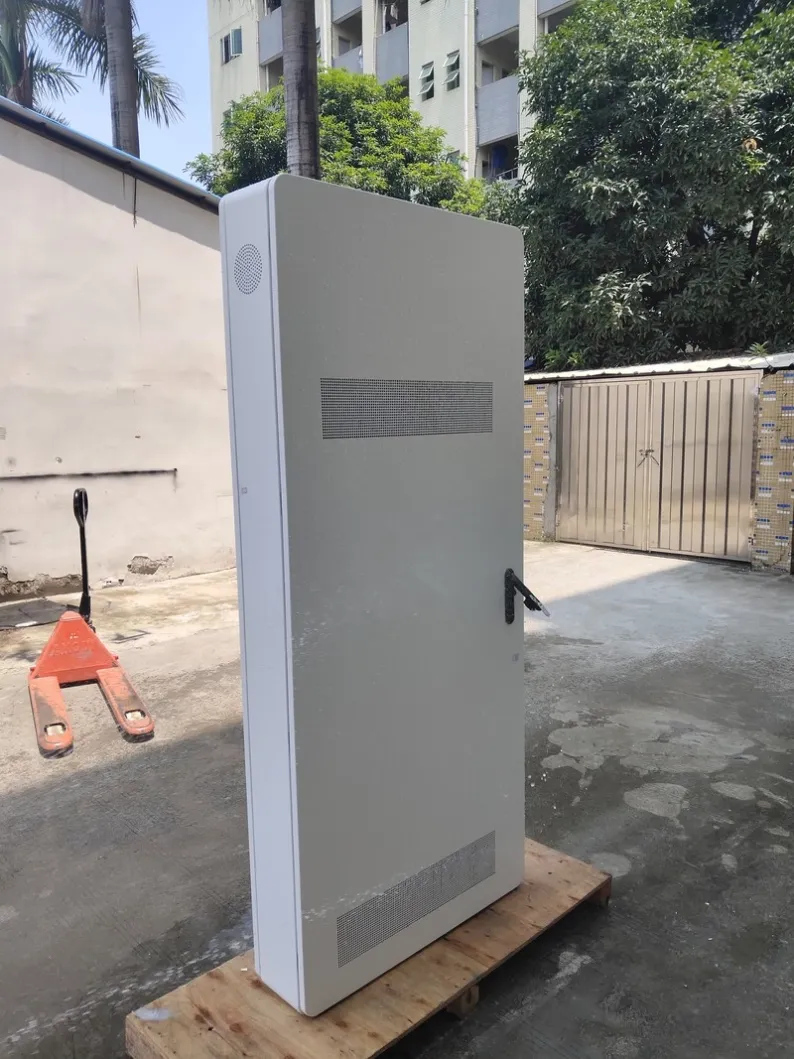
Commercial entrances, plazas and walkways often use a portrait floor-standing form to face approaching traffic. Review foundation design, wind requirements, cable routing, service-door direction and circulation space. Floor-standing does not mean freely movable; a permanent outdoor LCD display normally requires secure anchoring suited to the site.
Complete the site assessment before production because correcting light, structure or service-access problems after installation is more expensive. After the work described here, verify image, enclosure and related functions under normal conditions and leave a useful result for the next visit.
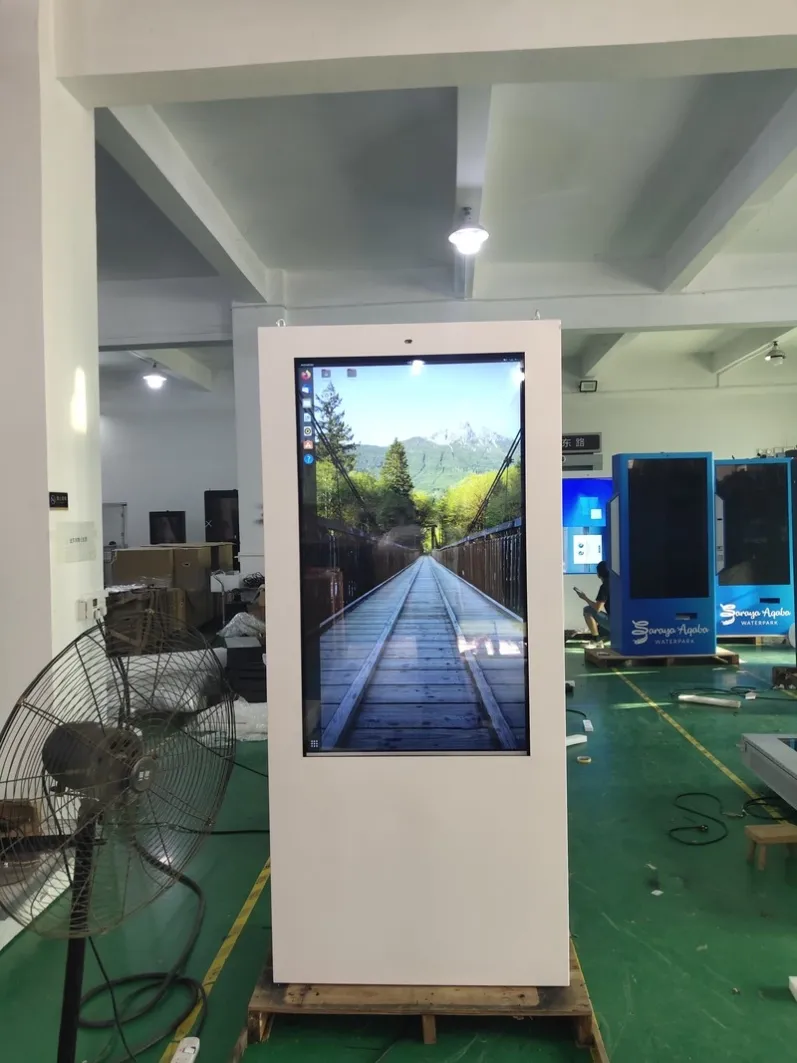
Wall-Mounted Displays: Save Floor Space, Not Service Space
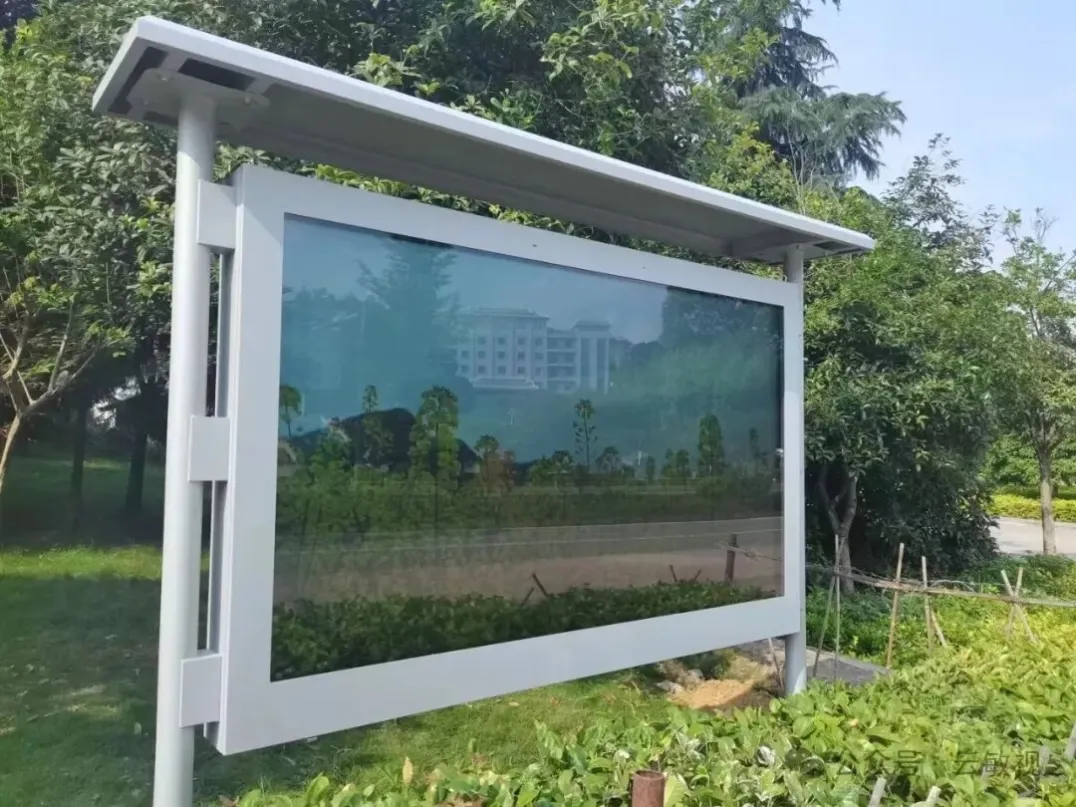
A wall-mounted arrangement preserves floor space where the viewing direction is defined. Confirm wall capacity, brackets, weather detailing, rear airflow and future service access. A thin appearance is not useful if technicians cannot safely open the cabinet or if the wall directs runoff toward electrical connections.
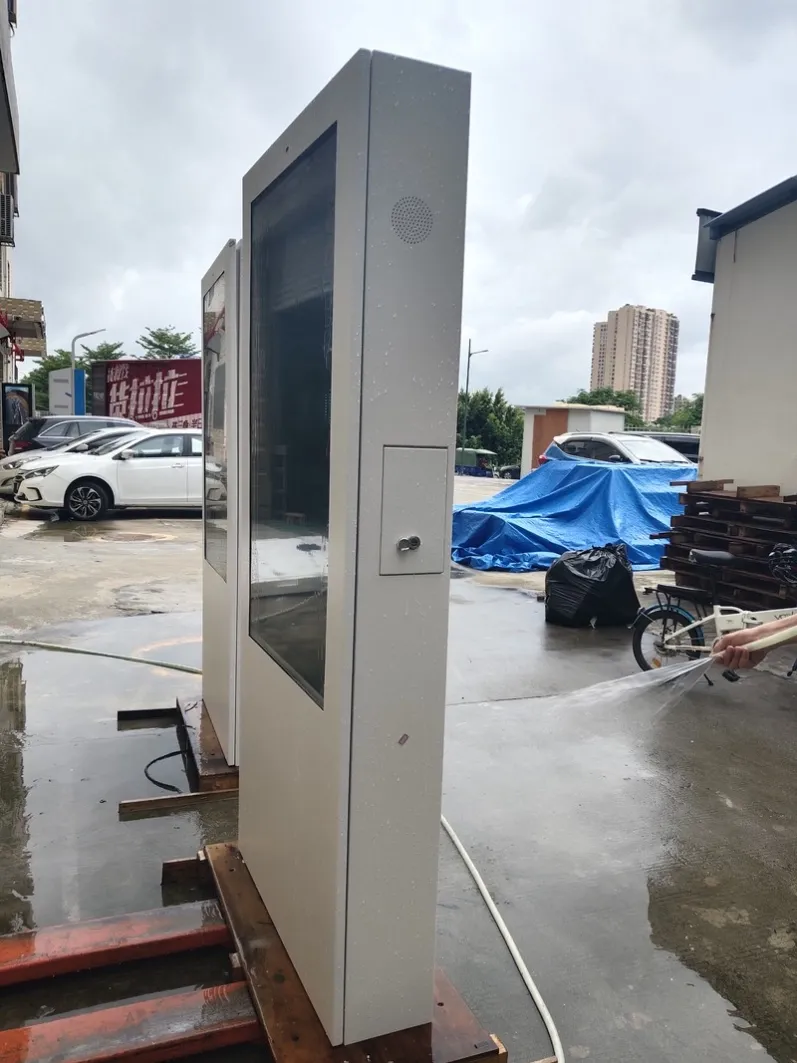
Complete the site assessment before production because correcting light, structure or service-access problems after installation is more expensive. After the work described here, verify image, enclosure and related functions under normal conditions and leave a useful result for the next visit.
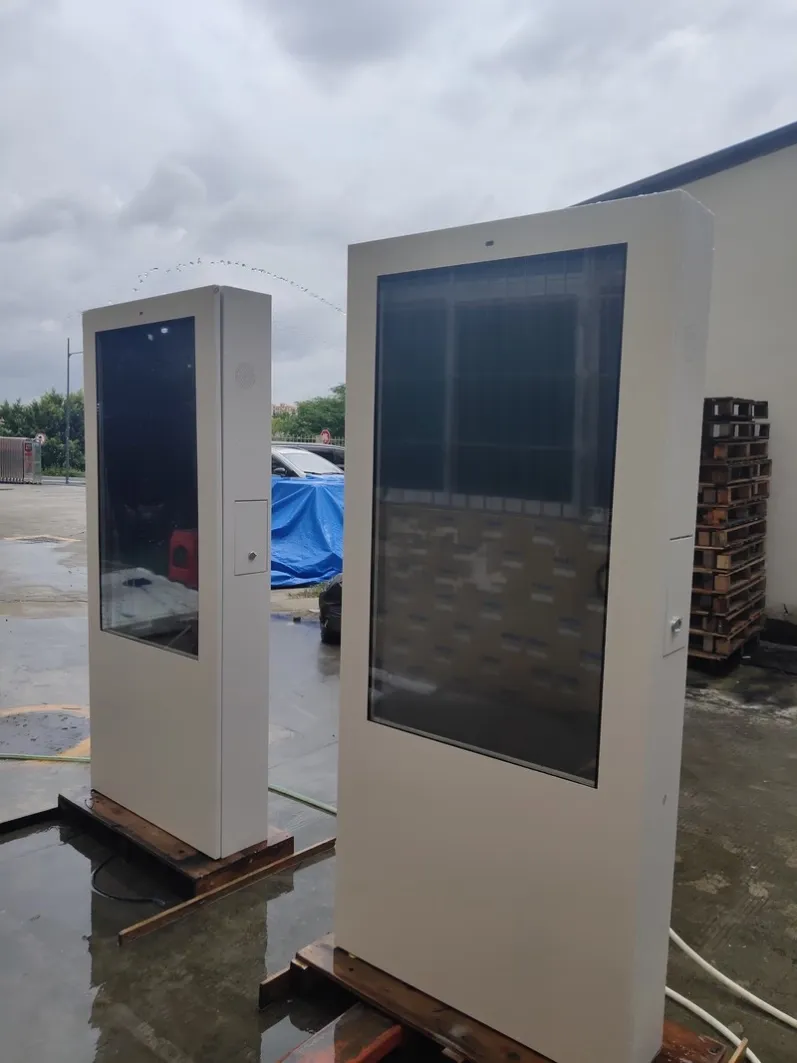
Window-Facing Displays: Indoor Equipment Still Faces Outdoor Light
A screen positioned indoors for an outdoor audience still faces sunlight and reflections from the storefront glass. Assess glass transmission, distance to the window, solar hours, trapped heat and viewing angle. A maximum brightness figure alone cannot solve double reflections or overheating inside an enclosed window bay.
Complete the site assessment before production because correcting light, structure or service-access problems after installation is more expensive. After the work described here, verify image, enclosure and related functions under normal conditions and leave a useful result for the next visit.
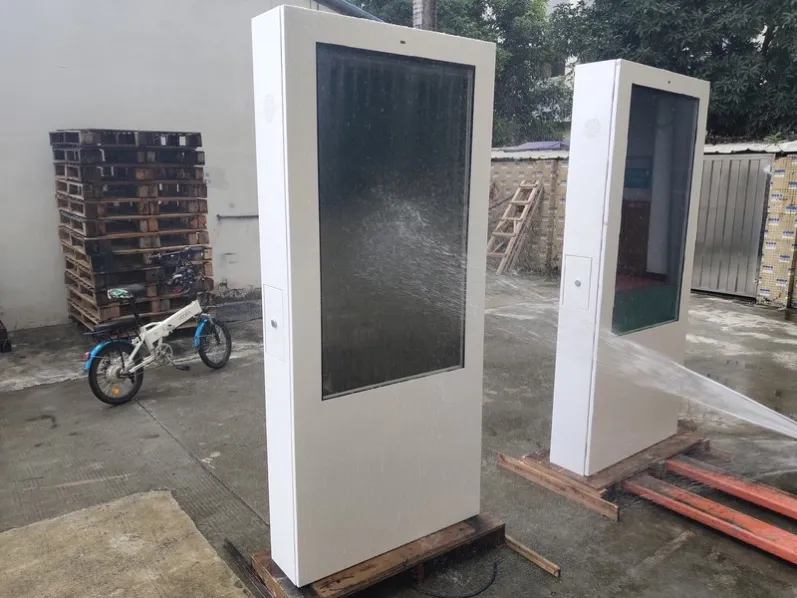
Transit Displays: Short Viewing Time Meets Long Operation
Transit viewers have limited time, so typography, contrast and information hierarchy matter. The installation also needs safe maintenance access, protection suited to dust and weather, thermal control and remote status visibility. Visual impact cannot replace reliability and fast comprehension in a transit application.
Complete the site assessment before production because correcting light, structure or service-access problems after installation is more expensive. After the work described here, verify image, enclosure and related functions under normal conditions and leave a useful result for the next visit.
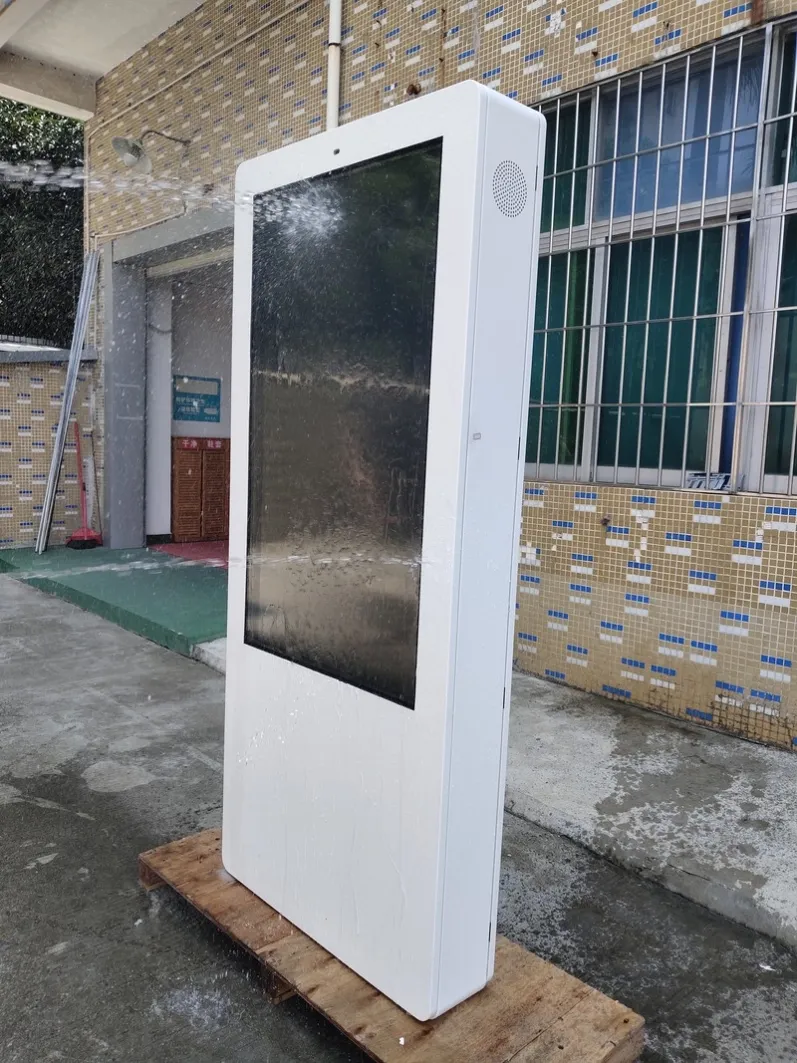
Decide Screen Size Last
Choose size using near and far viewing distances, type size, traffic speed, orientation and information density. Review site photographs, dimensions and sight lines before deciding between single-sided, double-sided, standing or wall-mounted construction. A correctly matched outdoor LCD display is easier to read, install and maintain than an oversized unit selected without spatial analysis.
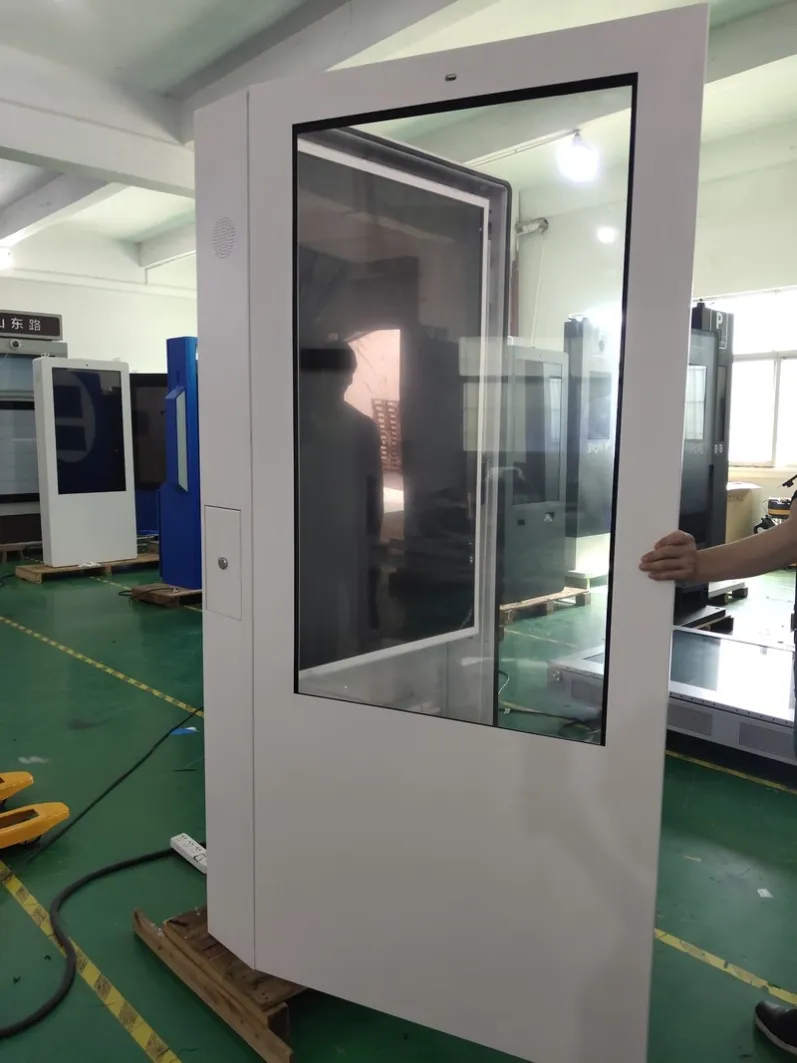
Complete the site assessment before production because correcting light, structure or service-access problems after installation is more expensive. After the work described here, verify image, enclosure and related functions under normal conditions and leave a useful result for the next visit.
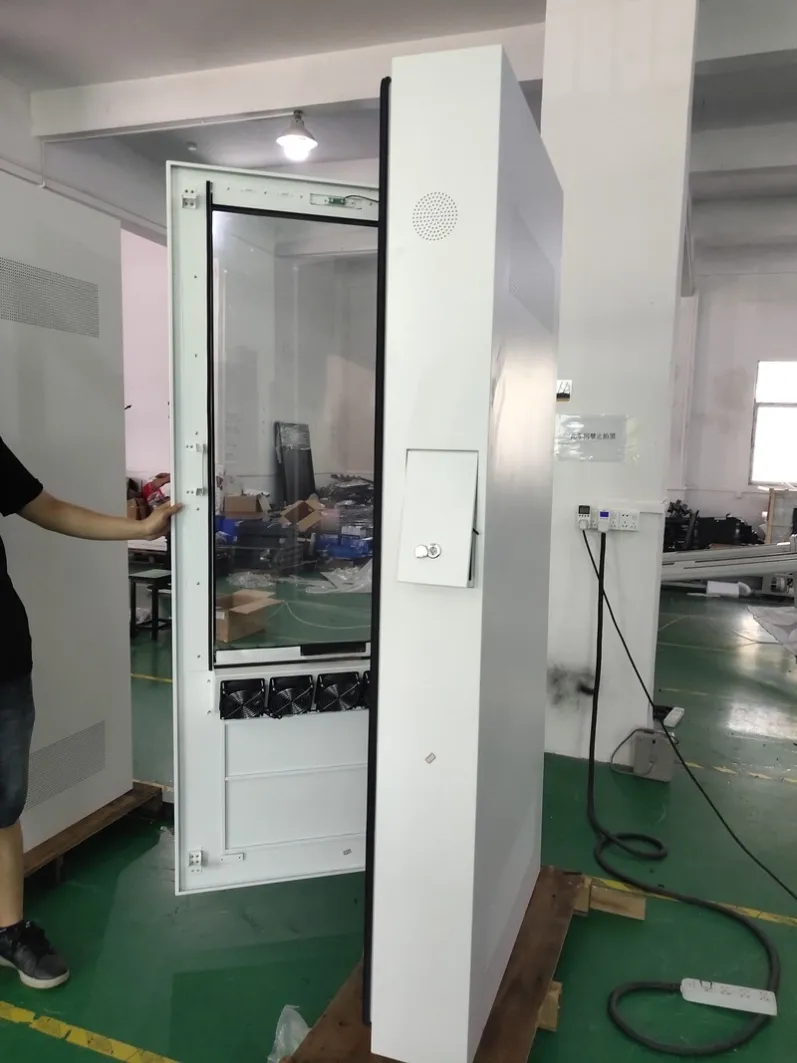
How to Make the Final Choice Across Four Locations
Choose size using near and far viewing distances, type size, traffic speed, orientation and information density. Review site photographs, dimensions and sight lines before deciding between single-sided, double-sided, standing or wall-mounted construction. A correctly matched outdoor LCD display is easier to read, install and maintain than an oversized unit selected without spatial analysis.
Complete the site assessment before production because correcting light, structure or service-access problems after installation is more expensive. After the work described here, verify image, enclosure and related functions under normal conditions and leave a useful result for the next visit.
A Site-First Decision
There is no universal configuration for every site. Confirm light, pedestrian flow, viewing distance, mounting conditions, service direction and operating hours before comparing construction and size. This prevents a technically impressive outdoor LCD display from being unsuitable for the place where it must work.
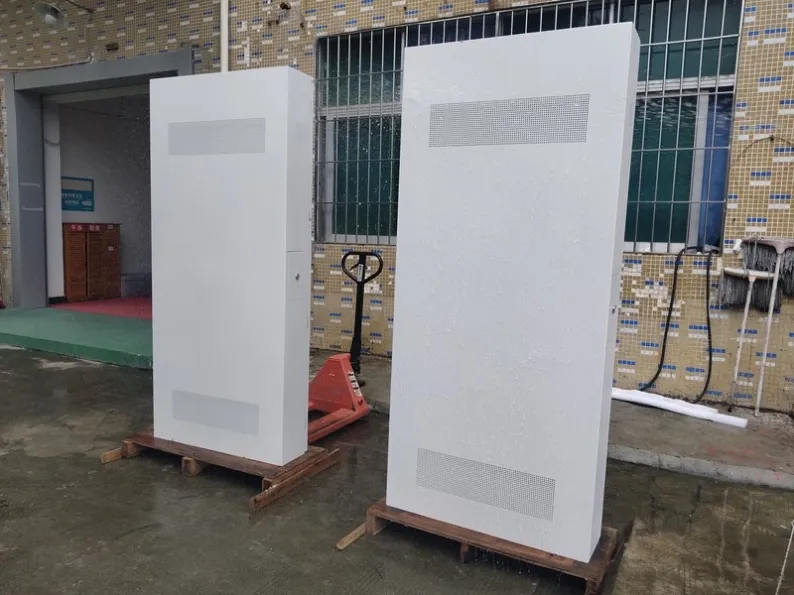
The service route belongs in the selection drawing. Floor-standing equipment offers an independent cabinet but needs foundation, wind and drainage review. Wall mounting preserves circulation space but requires wall capacity, corrosion-resistant supports and safe access. Window-facing equipment avoids direct rain while creating reflection, trapped-heat and night-brightness challenges. Transit equipment combines long operation, short reading time, public safety and rapid recovery. Decide size only after viewing distance, type size, traffic speed and available space. Where two-way coverage is needed, compare a double-sided unit with two independent cabinets, foundations, cables and service visits. Site photographs, orientation, dimensions, power location and maintenance movement should be reviewed together.
Document the assumptions behind the choice, including viewing direction, distance, solar period, operating hours and permitted service direction. If the building, road or pedestrian flow changes later, the team can decide whether brightness, content, intervals or position should change without restarting the analysis.
Before confirming a project, share installation photographs, orientation, operating hours, local power information, viewing distance and maintenance-access requirements. These details help coordinate construction, thermal management, mounting and control for the intended outdoor LCD display application.