Aug 28, 2026Material Notes
Choosing Thermal Management for an Outdoor LCD Screen
Compare airflow, fan cooling and air-conditioning decisions for an outdoor LCD screen using actual heat load and service conditions.
Choosing Thermal Management for an Outdoor LCD Screen
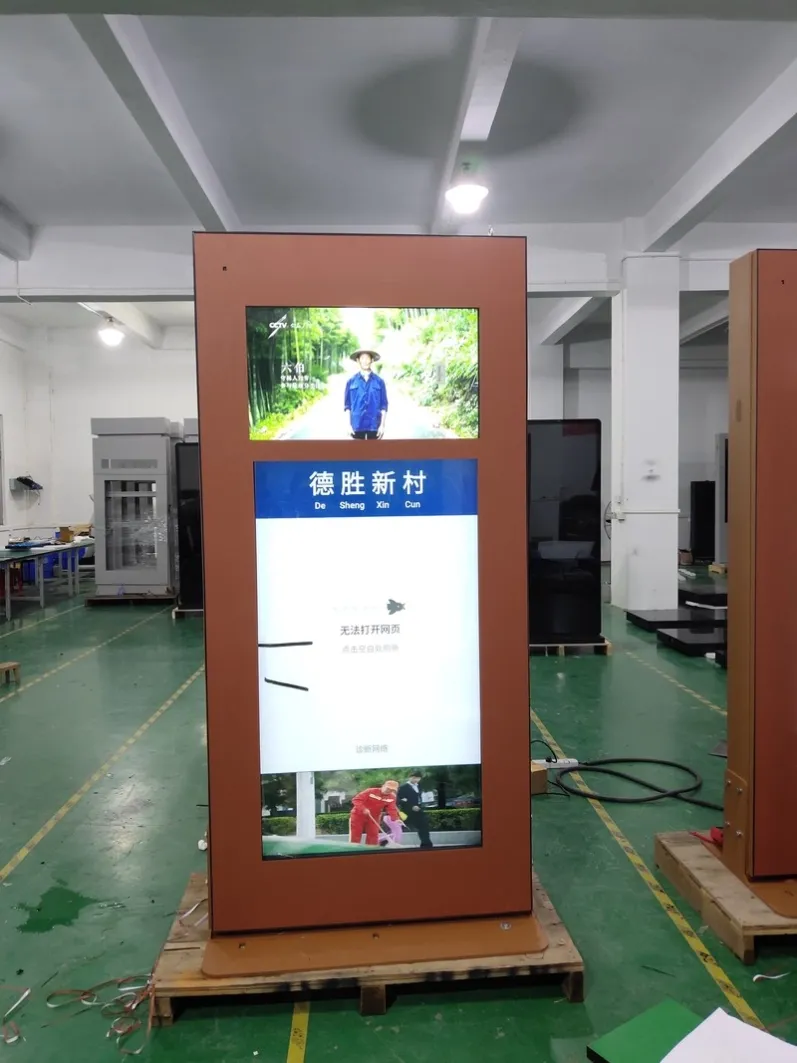
Thermal management for an outdoor LCD screen cannot be selected by panel size alone. Backlighting, power electronics, controllers, solar radiation, enclosure color, orientation and operating hours all affect internal heat load. Fan cooling, heat exchange, air conditioning or a combined arrangement each has a place. The decision depends on stability under worst-case conditions and practical cleaning, service and replacement afterward. The outdoor LCD screen plan should define a measurable starting condition.
List Internal and External Heat Sources First
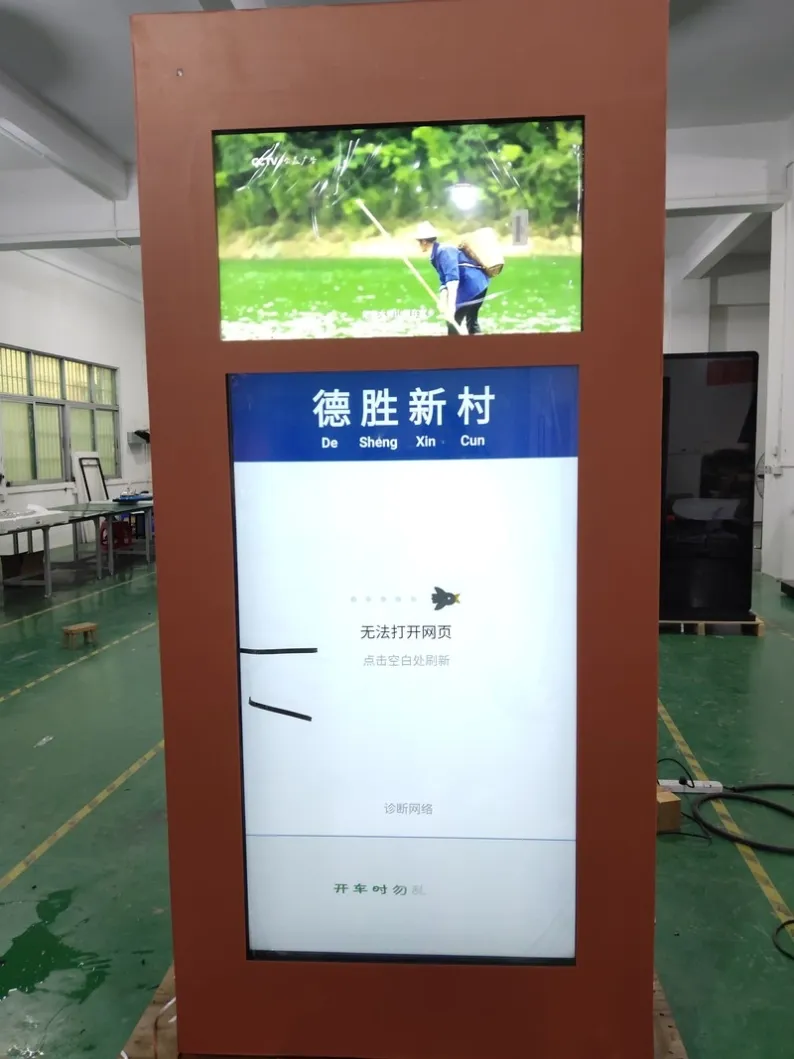
Internal heat comes from high-output backlighting, power conversion, playback control and other electronics. External heat comes from ambient temperature and solar radiation. A west-facing site can experience a much greater afternoon load than a shaded position in the same city. Use maximum conditions, solar hours, operating schedule and enclosure construction rather than annual average temperature.
Evaluate worst-case environment, continuous operating time and real service capability together instead of comparing one component value. Complete an actionable result for list internal and external heat sources first before changing several other conditions at once.
Sealing and Air Exchange Create a Design Constraint
Bringing outside air into the system can improve heat transfer but also introduces dust, humidity and pollutants, so filtration and service intervals must be designed together. A sealed arrangement isolates contamination but still needs heat exchange or refrigeration to remove internal load. Protection and cooling cannot be confirmed independently.
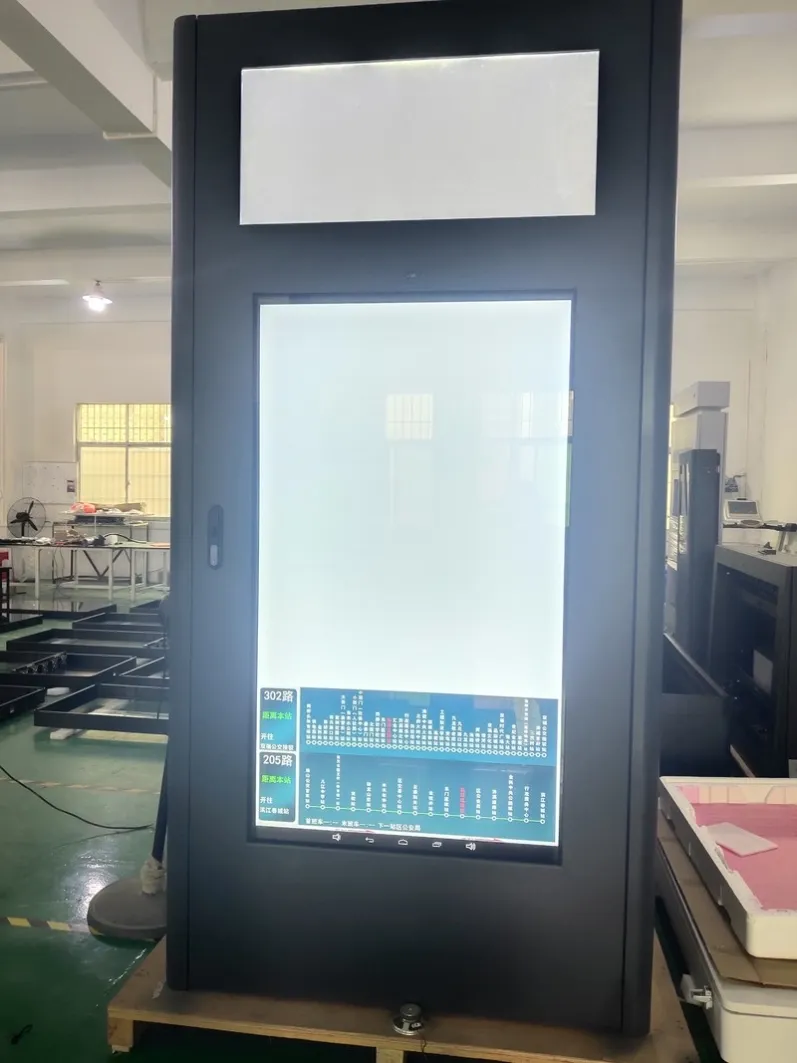
Evaluate worst-case environment, continuous operating time and real service capability together instead of comparing one component value. Complete an actionable result for sealing and air exchange create a design constraint before changing several other conditions at once.
When Fan Cooling Is Appropriate
Where ambient temperature, contamination and humidity are manageable and filters are accessible, a correctly designed fan system can be straightforward to maintain. The goal is not simply more fans; airflow must enter, pass the heat sources and leave without recirculating hot air inside the cabinet. Fan life, noise, redundancy and replacement space also require review.
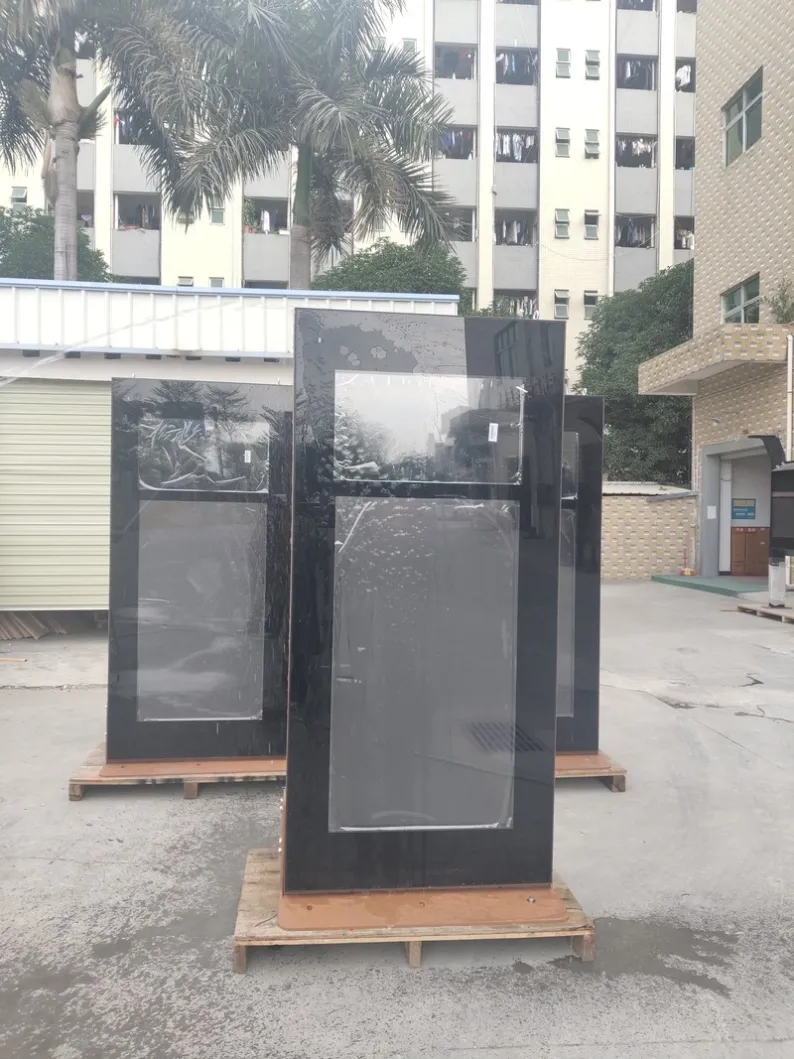
Evaluate worst-case environment, continuous operating time and real service capability together instead of comparing one component value. Complete an actionable result for when fan cooling is appropriate before changing several other conditions at once.
When Stronger Thermal Management Is Needed
High ambient temperature, strong sunlight, sealing requirements and long high-output operation can exceed the capacity of simple ventilation. Air conditioning, heat exchangers or combined systems may be needed. Capacity should follow calculated load: undersizing causes continuous full-load operation, while oversizing can increase cycling, energy use and condensation-management difficulty.
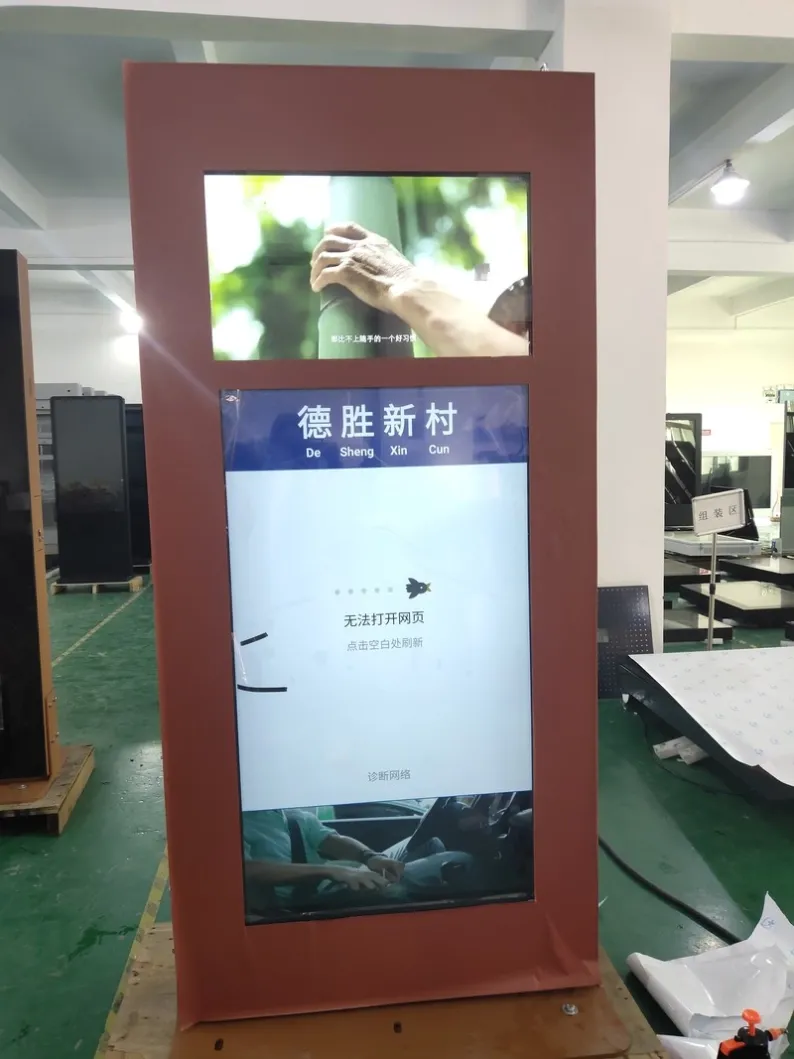
Evaluate worst-case environment, continuous operating time and real service capability together instead of comparing one component value. Complete an actionable result for when stronger thermal management is needed before changing several other conditions at once.
Sensors and Control Logic Determine the Response
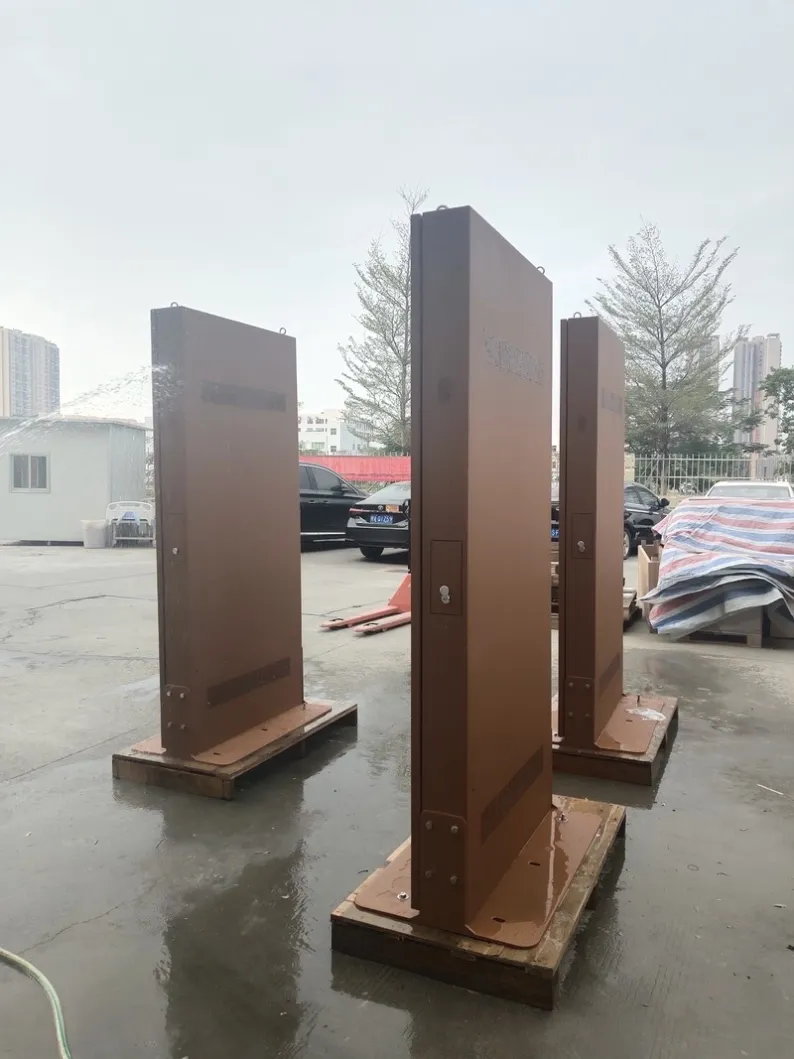
Sensor position, calibration and thresholds influence fans, refrigeration and brightness protection. A sensor beside a cold-air outlet may not represent conditions near the panel or power supply. Service should verify temperature behavior, start sequence and alarm history, not merely confirm that a fan is spinning. The outdoor LCD screen review should retain evidence for later comparison.
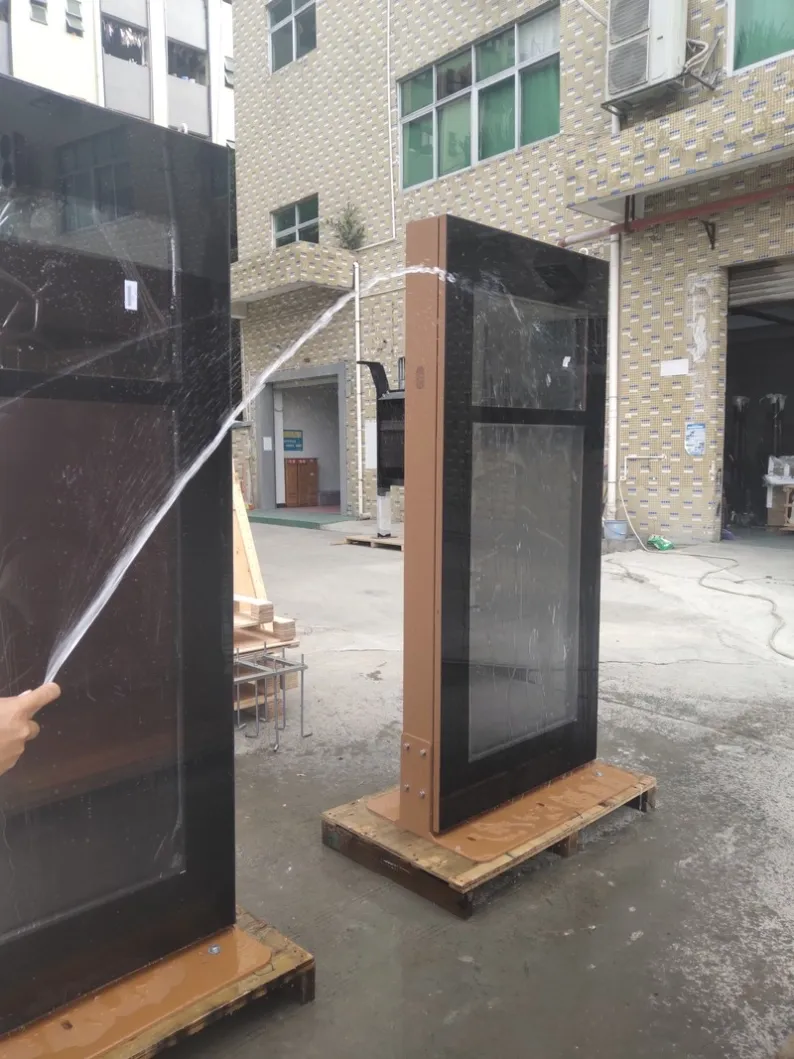
Evaluate worst-case environment, continuous operating time and real service capability together instead of comparing one component value. Complete an actionable result for sensors and control logic determine the response before changing several other conditions at once.
ZXTPH5ZXTPH
Service Access Must Be Solved During Design
Filters should be removable from a safe direction, fans and cooling parts need replacement clearance, and drains or condensate paths must remain inspectable. If a complete screen must be removed for routine filter cleaning, the planned interval will soon be ignored. Thermal management is suitable only when the site team can actually maintain it.
Evaluate worst-case environment, continuous operating time and real service capability together instead of comparing one component value. Complete an actionable result for service access must be solved during design before changing several other conditions at once.
Turn the Review into an Operating Plan
Place maximum temperature, solar orientation, brightness strategy, operating hours, protection, dust, humidity and service capability in one decision record. Prototype or first-unit testing should cover steady operation, temperature trends, alarms and recovery after power interruption. This selects a maintainable thermal system rather than an isolated fan or cooling specification.
Thermal acceptance should cover steady state and transitions. Review cold start, temperature rise as output increases, refrigeration cycling and control sequence after power recovery, not only the highest temperature. Conditions vary inside the cabinet, so measurements should represent the panel, power modules and major heat sources rather than only a cold-air outlet. Recalculate load when cameras, communication hardware or other modules are added so the original margin is not silently consumed.
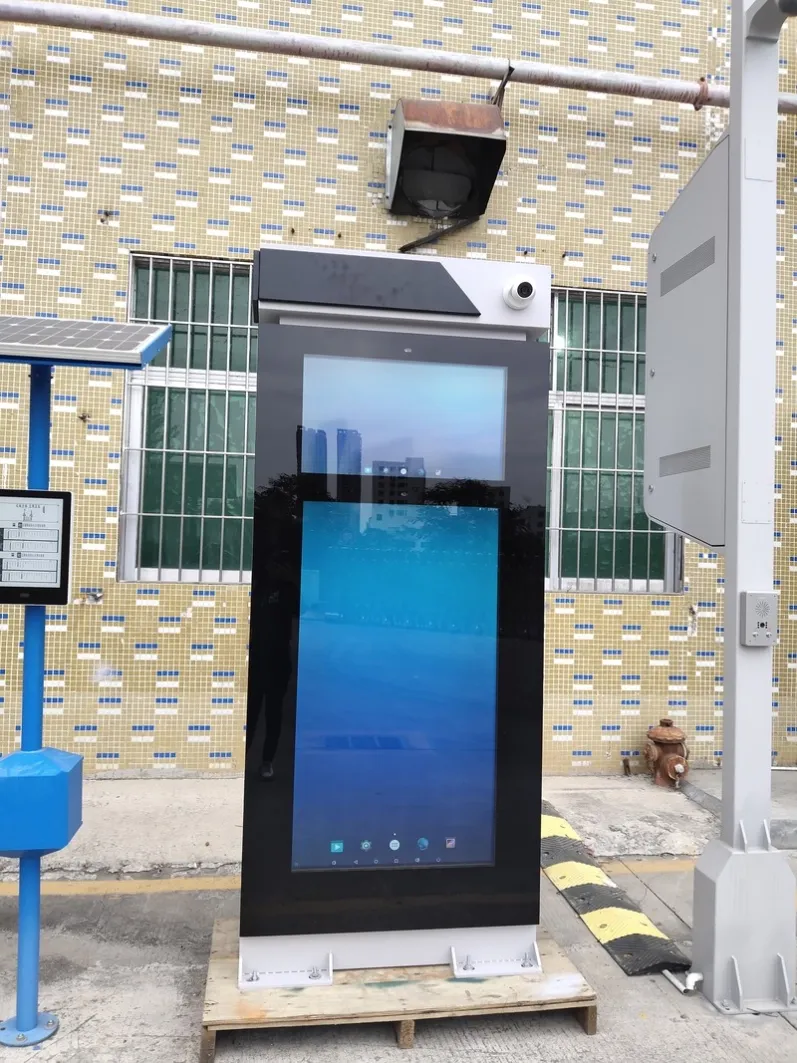
Create a delivered thermal baseline containing ambient temperature, key internal readings, fan or refrigeration states and time at high output. Repeating the same test later reveals performance decline. If an abnormal temperature appears only at one time, compare solar direction and content output before replacing parts. Measurements, alarms and site observation should support the same conclusion.
After thermal approval, document filter type, fan direction, temperature thresholds, condensate path and replacement steps against the unit identifier. Clear records reduce reversed parts, missing seals and incorrect settings during later service. The outdoor LCD screen result should be verified before the task is closed.
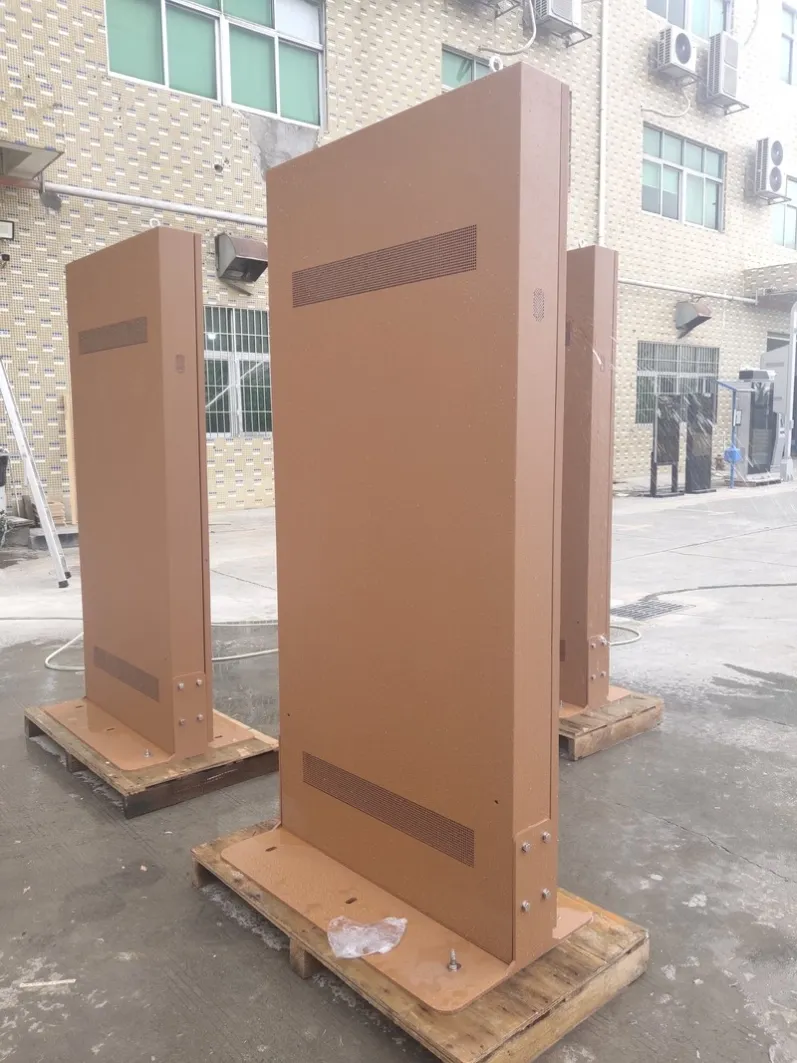
Before confirming this outdoor LCD screen project, document site photographs, orientation, operating hours, local power, viewing distance and maintenance access. Keep the same information with later inspection results so the original assumptions can be reviewed when conditions change.