Aug 27, 2026Material Notes
Correct Power and Operating Practices for Outdoor Digital Signage
A guide to stable power, controlled shutdowns, restart spacing and operating checks for dependable outdoor digital signage.
Correct Power and Operating Practices for Outdoor Digital Signage
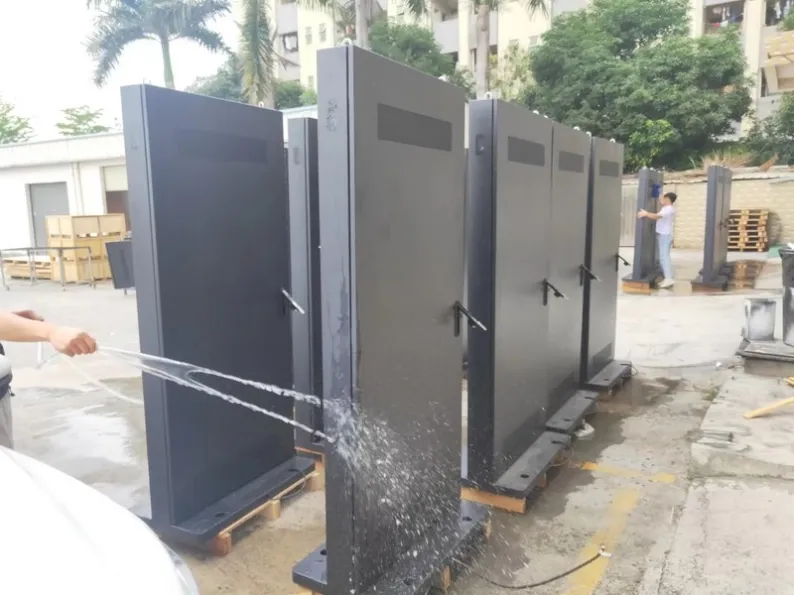
Outdoor digital signage combines a high-brightness panel, control electronics, thermal components and power modules in one continuously operating system. Sudden disconnection, repeated restarts and unstable voltage create avoidable stress. Correct operation therefore includes a suitable power circuit, controlled shutdowns, sensible restart intervals and useful fault observations instead of repeated power cycling.
Before Start-Up: Confirm the Environment and Supply
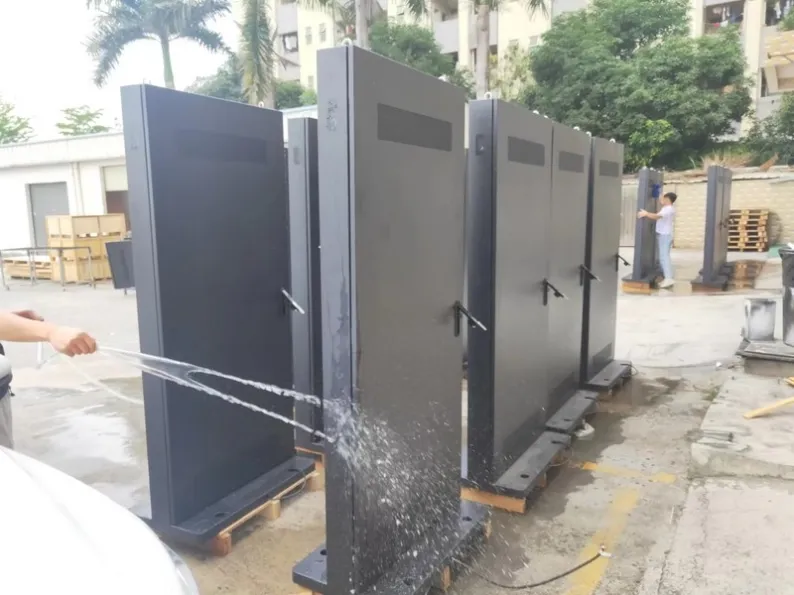
The supply must match the equipment rating and project electrical design, with a suitable circuit, protective devices and reliable grounding. Avoid casually sharing a line with lifts, motors or other high-load equipment that switches frequently. Where voltage disturbances are common, a qualified electrical professional should evaluate conditioning or backup power for the outdoor digital signage.
Write the sequence into the site procedure so every shift uses the same method and does not leave the equipment in an unknown state. After the work described here, verify image, enclosure and related functions under normal conditions and leave a useful result for the next visit.
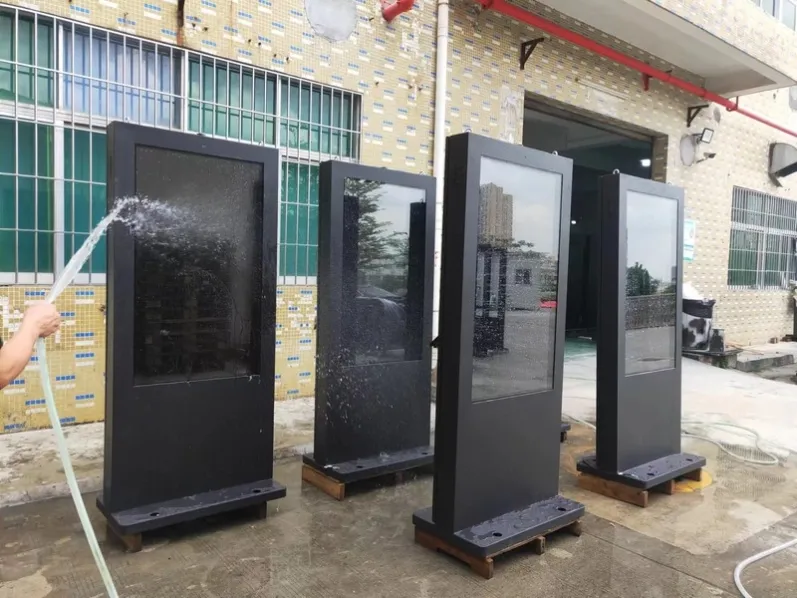
During Operation: Observe Image, Temperature and Sound
Stop playback and close the operating system before isolating the main supply. After an emergency power loss, do not repeatedly energize the unit until the cause has been checked and the required interval has passed. Rapid on-off cycling places unnecessary stress on power and storage components and can obscure the original fault.
Write the sequence into the site procedure so every shift uses the same method and does not leave the equipment in an unknown state. After the work described here, verify image, enclosure and related functions under normal conditions and leave a useful result for the next visit.
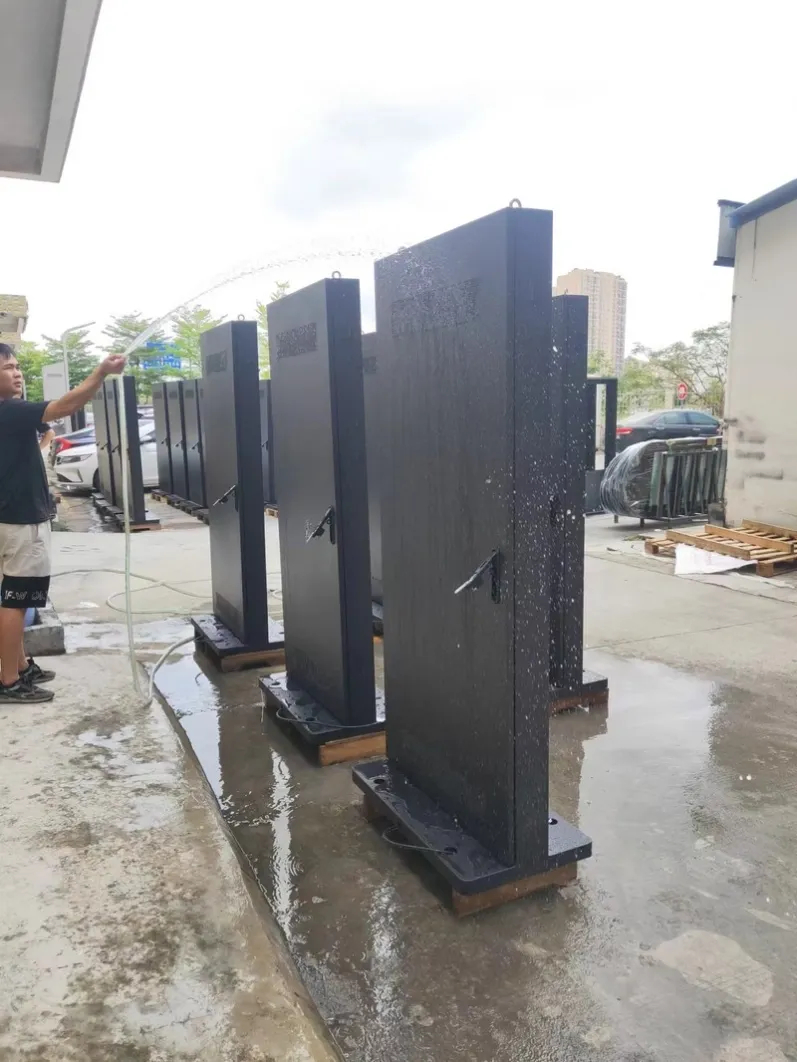
After Shutdown: Let the System Finish Its Tasks
When an image freezes, the screen goes dark or a temperature alarm appears, record the time, ambient conditions, displayed message and recent power events. Check supply, signal, network and cooling before deciding to restart. Repeated resets may temporarily hide an intermittent issue without correcting the cause.
Write the sequence into the site procedure so every shift uses the same method and does not leave the equipment in an unknown state. After the work described here, verify image, enclosure and related functions under normal conditions and leave a useful result for the next visit.
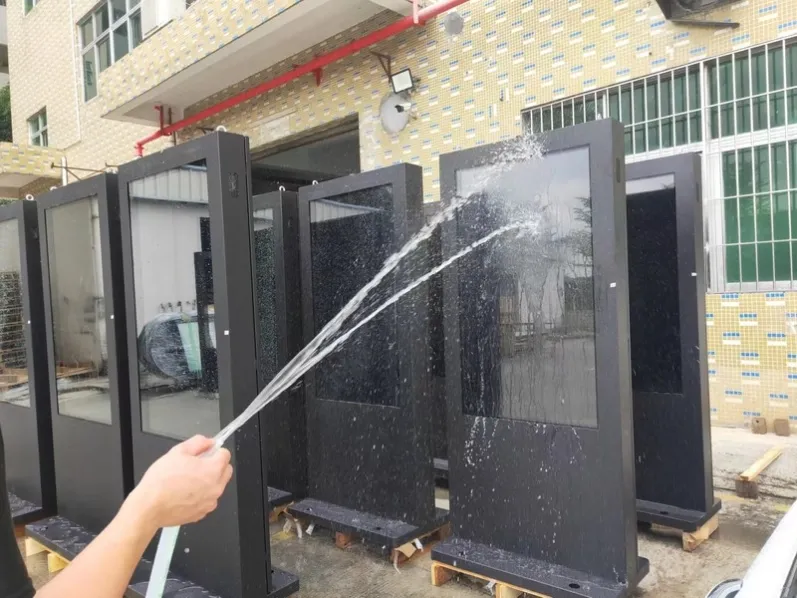
When Something Is Wrong: Preserve Information Before Action
Set playback hours, brightness behavior and scheduled start-up according to traffic and ambient light. A location that does not need continuous service can use a consistent operating window, while a long-hour installation benefits from remote status checks and more frequent preventive visits. Outdoor digital signage should never depend on daily hard power removal as its normal shutdown method.
Write the sequence into the site procedure so every shift uses the same method and does not leave the equipment in an unknown state. After the work described here, verify image, enclosure and related functions under normal conditions and leave a useful result for the next visit.
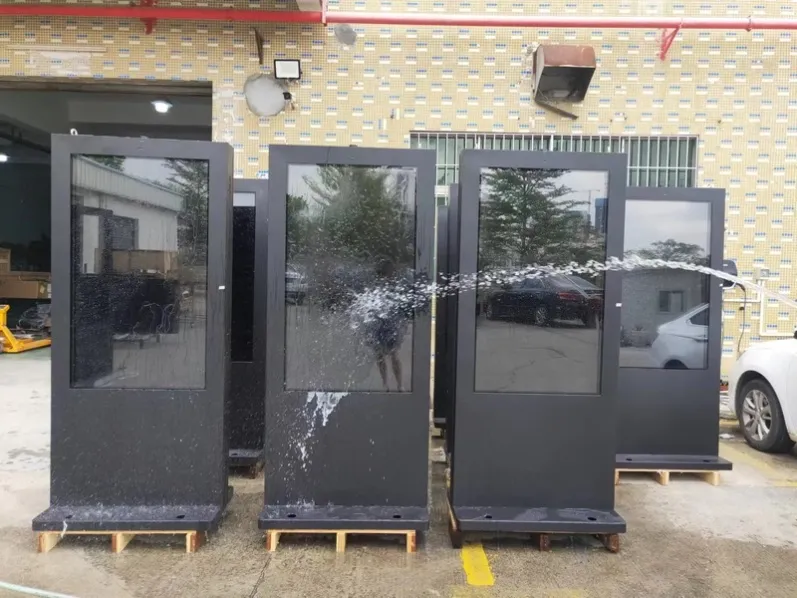
Closing the Maintenance Loop
Consistency is the core of correct operation. Every shift should follow the same start-up, observation, shutdown and fault-response sequence. Outdoor digital signage should not be managed through hard disconnection, repeated restarts or unplanned disassembly.
Before start-up, confirm that doors are closed, vents are clear, no construction cover surrounds the unit, and power and network conditions are normal. During operation, look beyond whether the panel is lit: check brightness behavior, playback, fan sound and unusual cabinet heat. For planned shutdown, stop content tasks, allow the controller to finish writing, close the system and then isolate supply as specified. During a fault, record the time, recent action, weather and alarms before checking power, controller, signal, network and cooling. Odor, water, smoke or protective-device operation requires immediate isolation and qualified service. A posted sequence prevents different operators from repeatedly masking faults through hard resets.
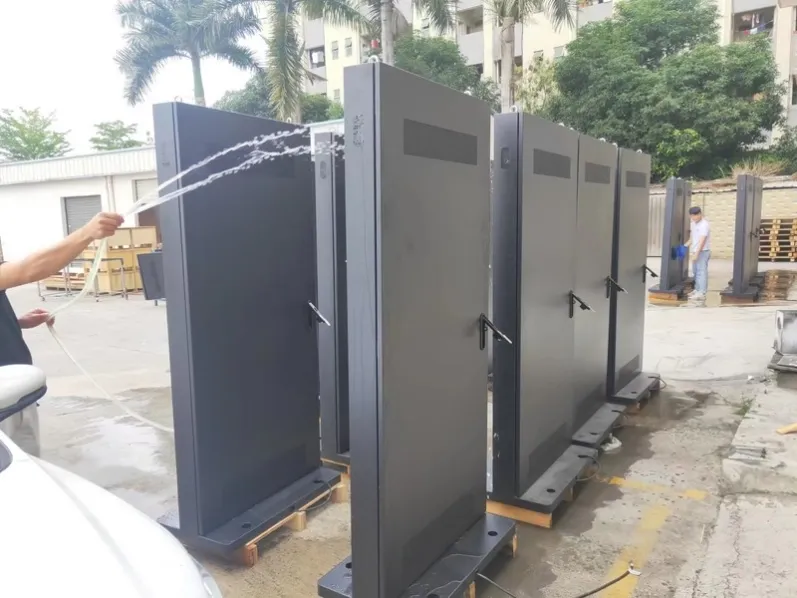
For scheduled operation, verify system time, start-up plans and publishing time zone so a healthy unit does not remain dark during operating hours. Record who performed restarts, configuration changes and updates. Reconstructing recent actions is usually safer and faster than resetting confirmed content and network settings. During the first weeks of operation, increase observation across different weather and time periods to establish normal temperature, brightness and network behavior for later comparison.
Before confirming a project, share installation photographs, orientation, operating hours, local power information, viewing distance and maintenance-access requirements. These details help coordinate construction, thermal management, mounting and control for the intended outdoor digital signage application.