Aug 27, 2026Material Notes
How to Maintain a Weatherproof Outdoor Display Without Damaging Its Protection
Learn how seals, drainage, doors, filters and cable entries affect the long-term protection of a weatherproof outdoor display.
How to Maintain a Weatherproof Outdoor Display Without Damaging Its Protection
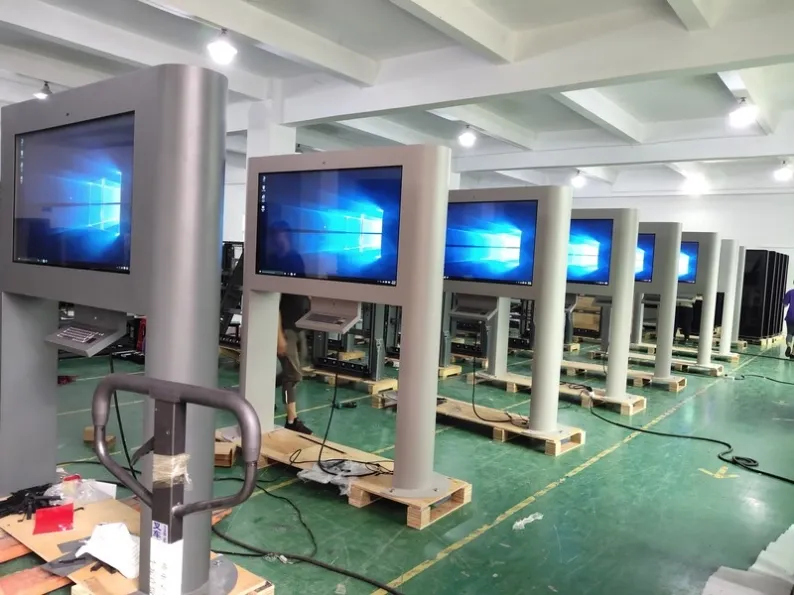
A weatherproof outdoor display relies on the complete enclosure system: gaskets, locks, glass edges, cable entries, ventilation paths and drainage details. Protection is not a permanent label that can be ignored after installation. Repeated service access, ultraviolet exposure, temperature cycling and unsuitable cleaning can change how the enclosure performs. Maintenance should preserve the original protection path and identify weak points early.
Water Does Not Always Enter from the Top
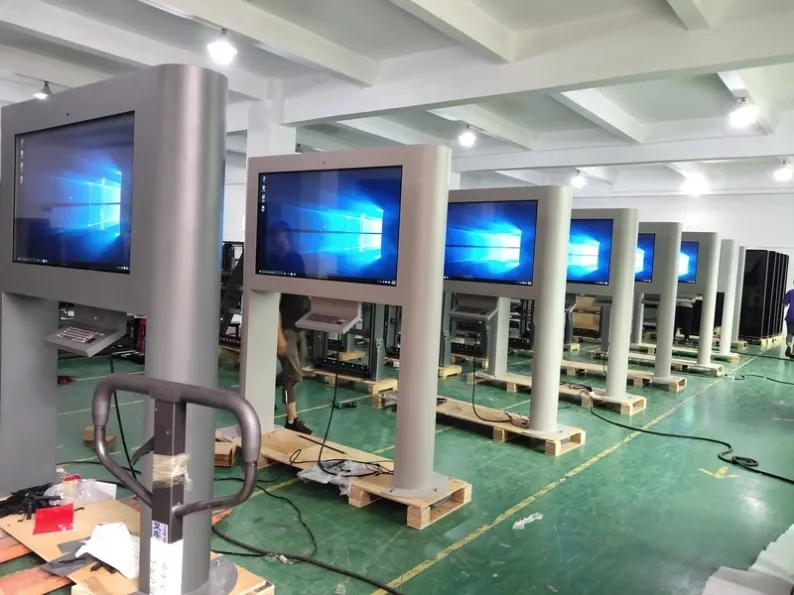
Durable cabinet material alone cannot stop ingress when a door is not locked, a gasket is deformed or a cable opening is unfinished. Inspect the glass perimeter, door seams, roof joints, lower cable area and every serviced opening. The front surface may look perfect while a hidden rear or lower entry becomes the actual risk to a weatherproof outdoor display.
Diagnosis should compare the location of moisture with weather, service-door history and cable routing because one symptom alone can be misleading. After the work described here, verify image, enclosure and related functions under normal conditions and leave a useful result for the next visit.
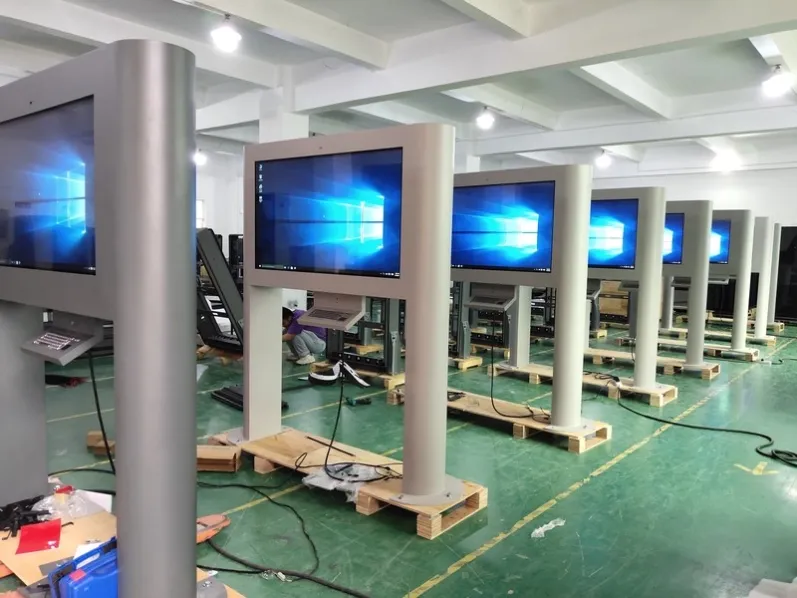
Ingress Route One: Service Doors and Aging Gaskets
Resistance to normal weather does not mean that concentrated high-pressure water can be directed at doors, vents or connectors. Isolate power before cleaning, remove surface dirt with a soft cloth and an approved method, and dry remaining water marks. Never force water toward a seam simply because the weatherproof outdoor display is designed for exterior use.
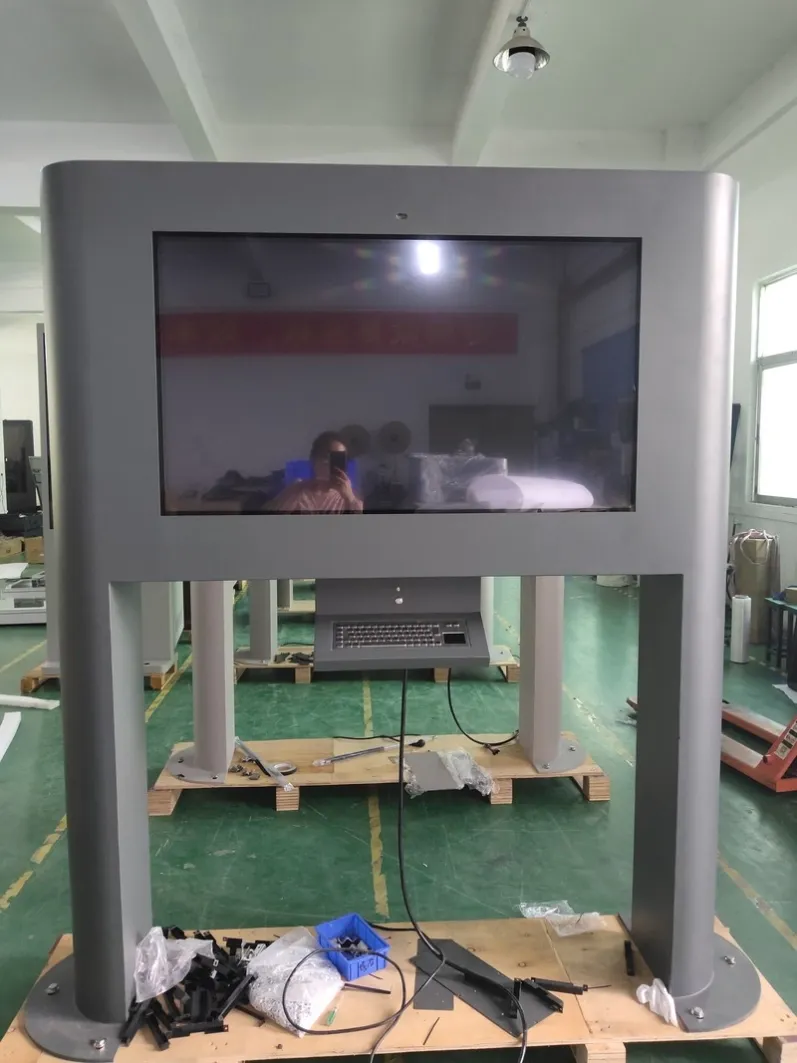
Diagnosis should compare the location of moisture with weather, service-door history and cable routing because one symptom alone can be misleading. After the work described here, verify image, enclosure and related functions under normal conditions and leave a useful result for the next visit.
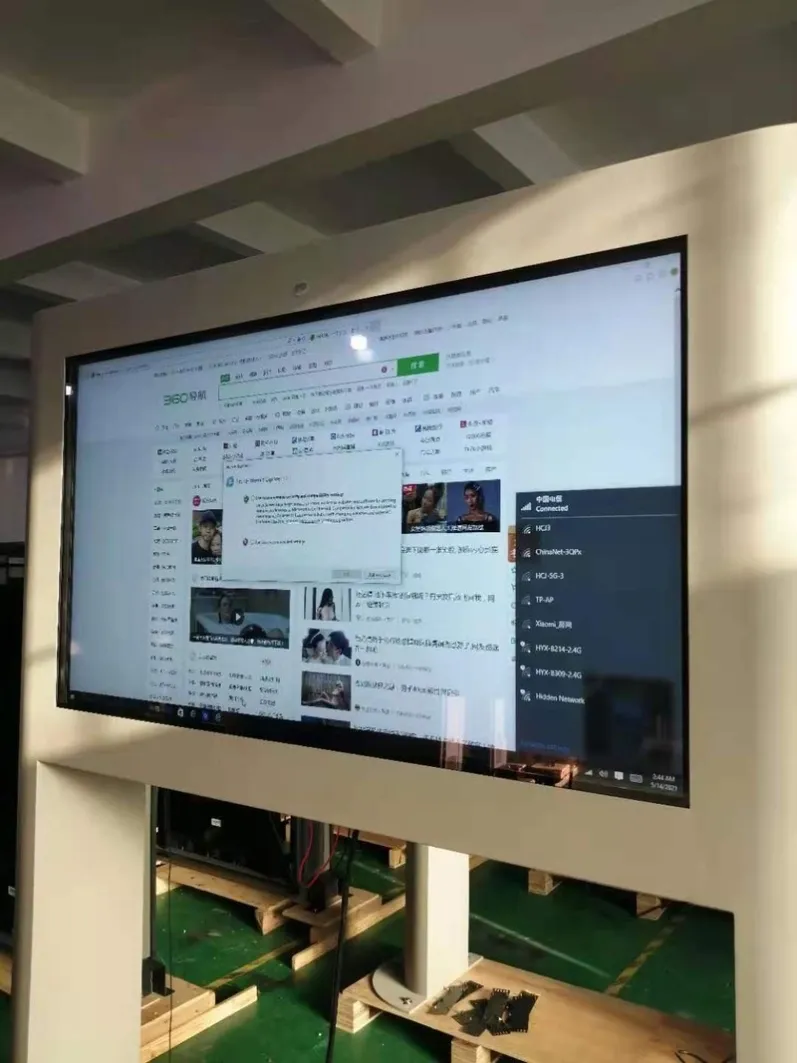
Ingress Route Two: Water Tracking Along Cables
After replacing a filter, fan or power component, reinstall every pressure strip, screw and seal in its intended position. Confirm that the cabinet surroundings drain freely and that a canopy or wall does not direct concentrated runoff onto the top. Maintenance is complete only when the enclosure has returned to its designed condition.
Diagnosis should compare the location of moisture with weather, service-door history and cable routing because one symptom alone can be misleading. After the work described here, verify image, enclosure and related functions under normal conditions and leave a useful result for the next visit.
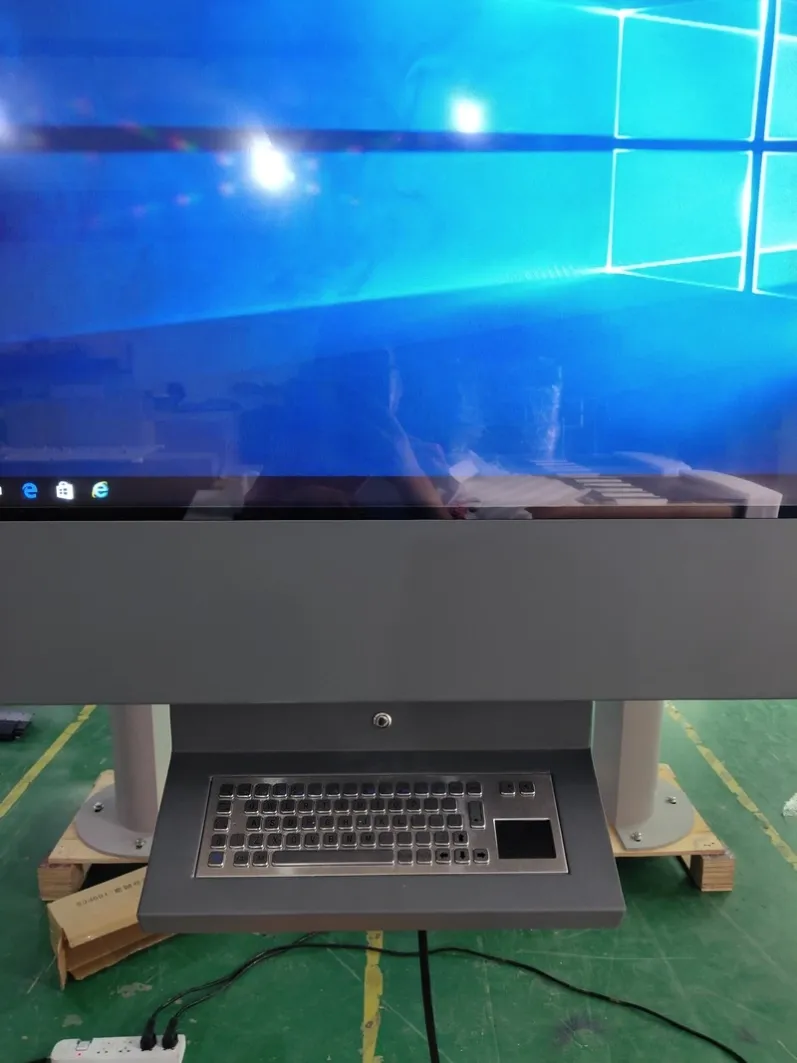
Ingress Route Three: Blocked Drainage and Standing Water
New paving, landscaping irrigation, nearby construction or added cladding can change water accumulation, dust and airflow. Recheck base fixing, cable protection, drainage and ventilation whenever the surroundings change. A weatherproof outdoor display remains reliable when its real installation environment—not only its original specification—is included in the service plan.
Diagnosis should compare the location of moisture with weather, service-door history and cable routing because one symptom alone can be misleading. After the work described here, verify image, enclosure and related functions under normal conditions and leave a useful result for the next visit.
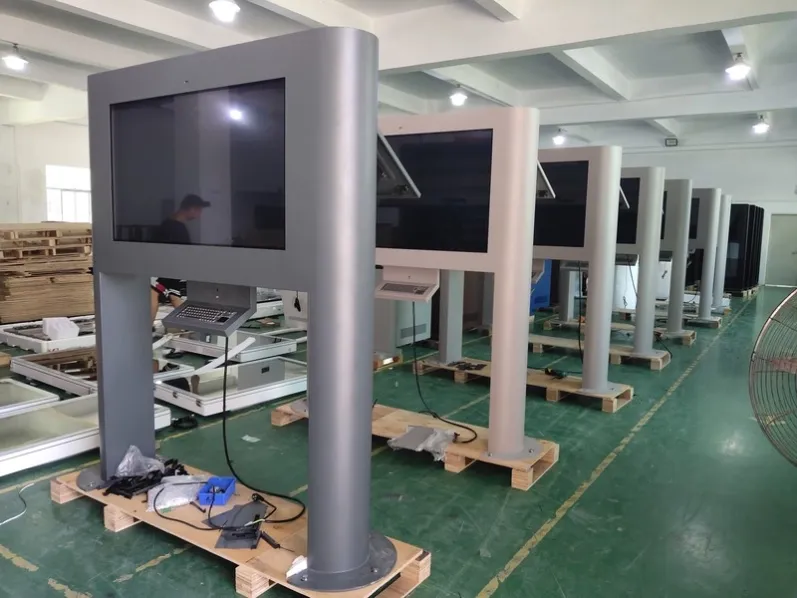
How to Diagnose Condensation or Water Marks
New paving, landscaping irrigation, nearby construction or added cladding can change water accumulation, dust and airflow. Recheck base fixing, cable protection, drainage and ventilation whenever the surroundings change. A weatherproof outdoor display remains reliable when its real installation environment—not only its original specification—is included in the service plan.
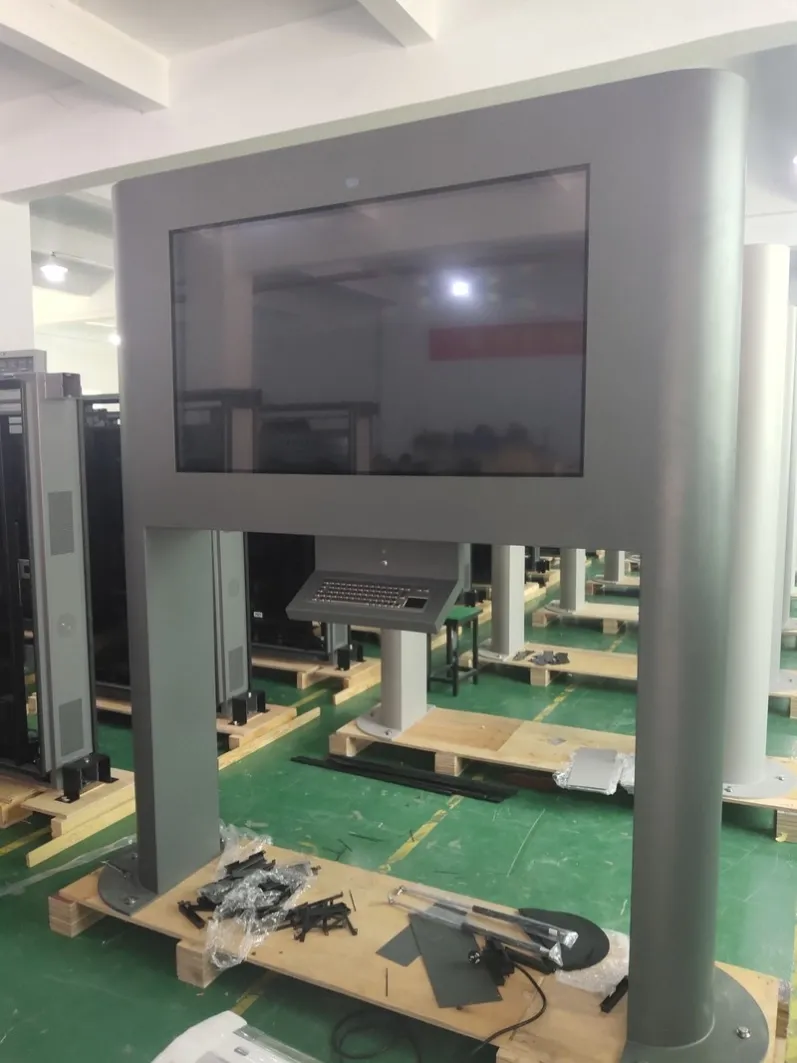
Diagnosis should compare the location of moisture with weather, service-door history and cable routing because one symptom alone can be misleading. After the work described here, verify image, enclosure and related functions under normal conditions and leave a useful result for the next visit.
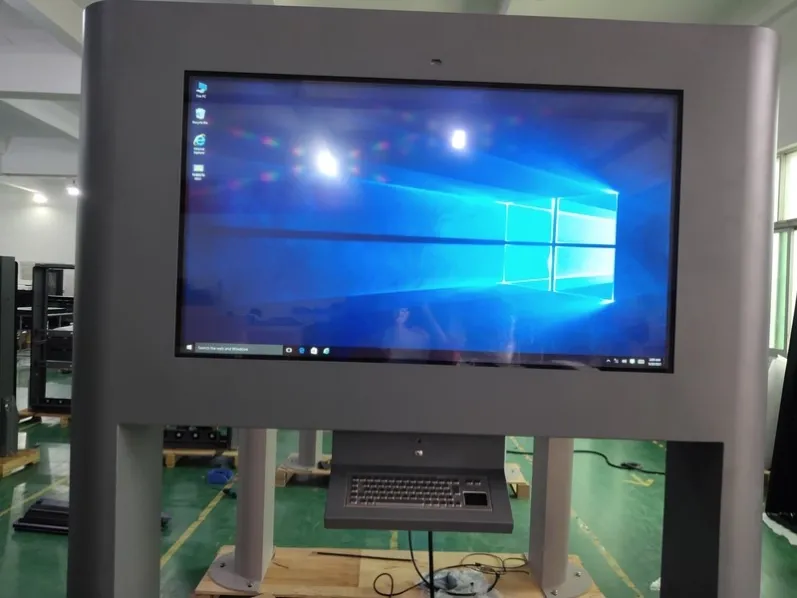
Closing the Maintenance Loop
Waterproof maintenance is not complete when a visible mark has been wiped away. The entry, condensation or drainage path must be identified, corrected and rechecked. Restore seals, fasteners and drainage before returning the weatherproof outdoor display to normal operation.
First distinguish rain ingress, condensation and cleaning residue. Moisture returning at one door corner points toward lock pressure or gasket continuity; wetness near a cable entry requires inspection of cable routing and glands; even fogging behind glass should be compared with temperature difference, humidity, cooling and service-door history. Never energize wet internal equipment or simply blow it dry and close the report. Isolate power, record the moisture location, remove standing water, inspect affected parts, correct the path and allow full drying. Verification should include comparable weather or a controlled follow-up before the enclosure is declared stable.
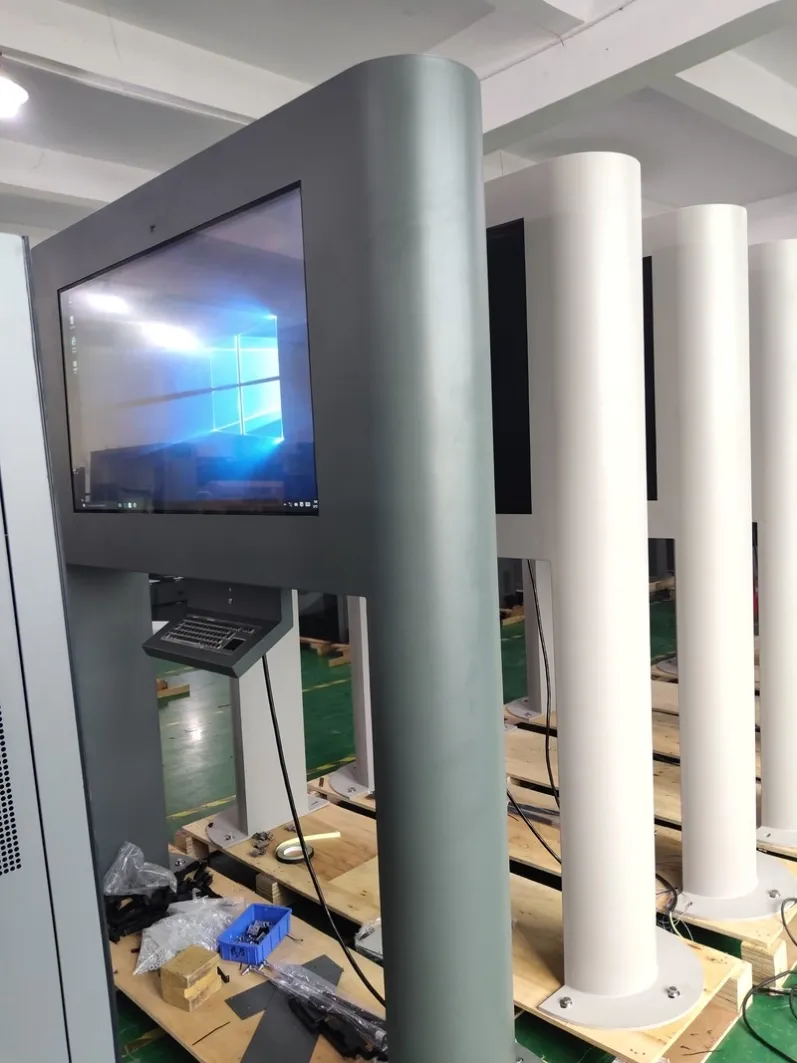
Check whether repair activity created a new weak point: cable direction may have changed, a gasket may be stretched, a fastener may be missing or a door may close unevenly. Reinspect from outside to inside along the original risk path and confirm drainage. Temporary tape or covering is not a permanent weatherproof solution.
Before confirming a project, share installation photographs, orientation, operating hours, local power information, viewing distance and maintenance-access requirements. These details help coordinate construction, thermal management, mounting and control for the intended exterior display application.