Oct 14, 2026Buying Guides
5 Compelling Outdoor Digital Advertising Kiosk Benefits and Critical Engineering Mandates
Top 5 outdoor digital advertising kiosk benefits: high-impact visual exposure, 24/7 continuous operation, weatherproofing, and remote CMS control.
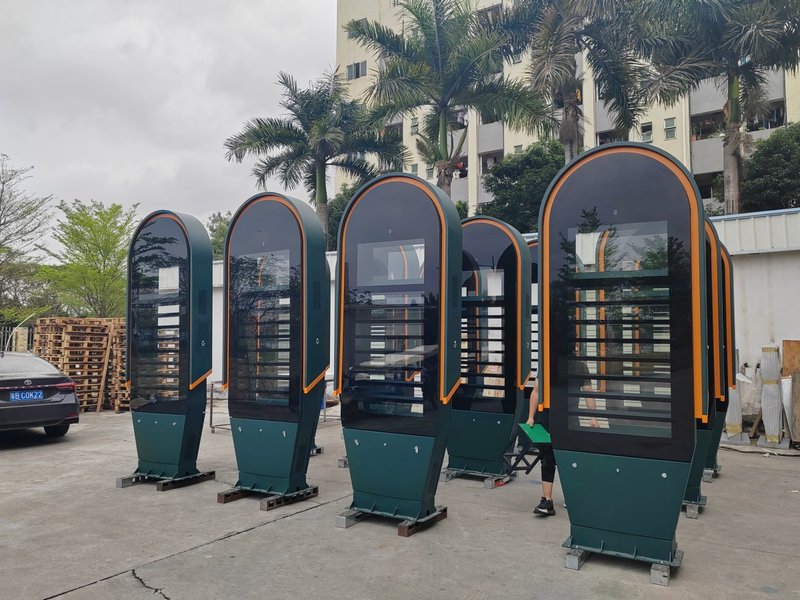
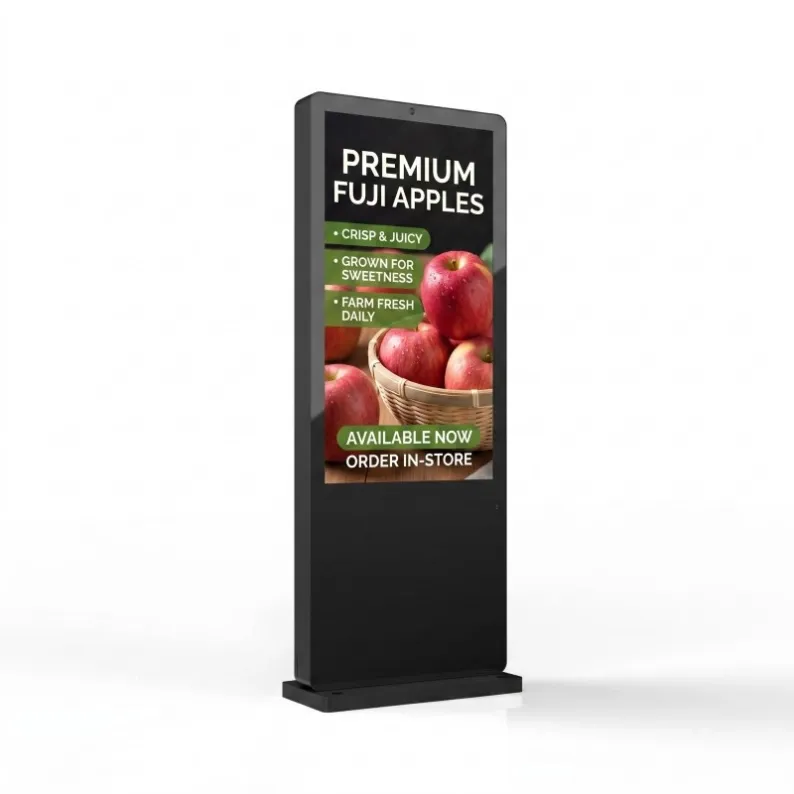
Deploying a high-performance Outdoor Digital Advertising Kiosk Benefits provides commercial spaces and public venues with an all-weather digital display solution. With the ever-growing demand for dynamic digital information display, outdoor advertising kiosks have become indispensable assets for commercial promotion, public messaging, and corporate brand showcases.
Compared to conventional static billboards, outdoor advertising kiosks not only display rich dynamic video and graphic media, but also empower operators to update content in real time via centralized digital management, dramatically enhancing advertising agility.
However, outdoor environments are significantly harsher and more volatile than indoor spaces. An ideal outdoor advertising kiosk must deliver exceptional visual performance while satisfying stringent engineering requirements for continuous, all-weather reliability.
Five Major Advantages of Outdoor Advertising Kiosks with a Outdoor Digital Advertising Kiosk Benefits
Exceptional Content Scheduling and Real-Time Flexibility
Traditional static billboards rely primarily on printed posters and physical vinyl banners. Whenever a marketing campaign, promotional message, or brand theme changes, posters must be reprinted and manually re-installed.
Outdoor advertising kiosks utilize digital commercial display panels, enabling instant content updates through content management software (CMS).
Enterprises can adjust display schedules on the fly based on specific hours of the day, seasonal holidays, or target audience demographics. This delivers unparalleled agility and boosts the velocity and relevance of marketing communications.
In pedestrian zones and commercial retail malls, diverse and refreshed content keeps audiences engaged and drives foot traffic.
Dynamic Visuals That Maximize Audience Engagement
Compared to static graphics, dynamic media—such as high-definition video, fluid motion graphics, and rich animation—naturally captures the attention of passersby.
Outdoor advertising kiosks can present product demonstrations, brand storytelling commercials, and interactive event promotions across various engaging formats.
Particularly in high-density pedestrian corridors, high-contrast dynamic visuals maximize brand recall and elevate commercial conversion rates.
Centralized Remote Network Management
As outdoor digital signage networks expand across multiple locations, manually dispatching personnel to update content via USB drives becomes inefficient and cost-prohibitive.
Through cloud-based or local-area network CMS platforms, administrators can remotely control an entire fleet of kiosks—scheduling broadcasts, monitoring operating status, and adjusting settings from a centralized console.
For enterprises managing multi-site digital signage networks, remote management drastically cuts operational overhead and streamlines day-to-day workflow.
Versatile Application Across Diverse Environments
Outdoor advertising kiosks accommodate a broad spectrum of commercial and civic applications.
Common deployment environments include:
- Pedestrian shopping streets for retail promotions;
- Shopping mall perimeters for commercial sales campaigns;
- Hotel and resort entrances for guest welcomes and event listings;
- Scenic tourist destinations for wayfinding and tour guidance;
- Transportation hubs for schedules, travel alerts, and public advisories;
- Corporate and industrial business parks for company culture and corporate announcements.
With various screen sizes and mounting configurations available, kiosks can be tailored precisely to specific project requirements.
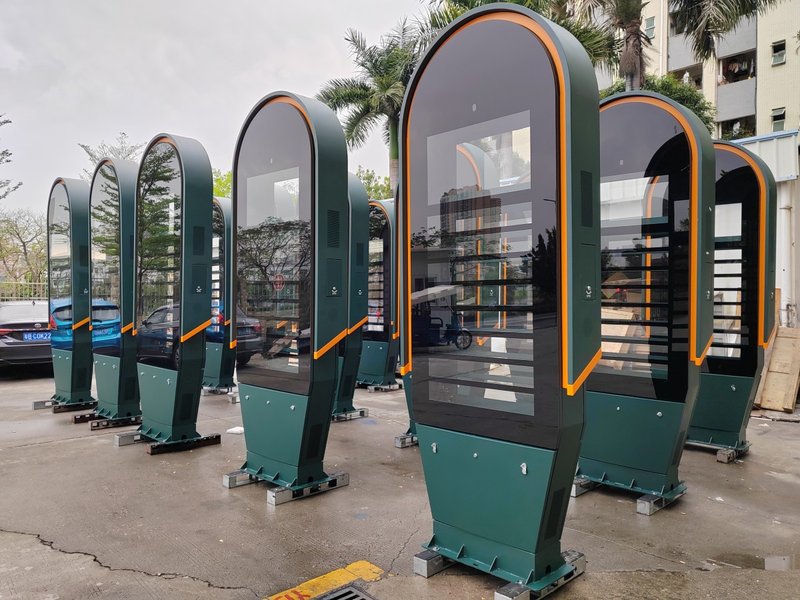
Elevating Urban Smart Digitization and Aesthetic Value
Beyond their core role as marketing platforms, outdoor advertising kiosks have evolved into integral components of modern urban communication infrastructure.
In smart city development, digital commercial displays serve as civic touchpoints for commercial notices, public service advisories, weather updates, and emergency alerts, making urban information flow vastly more efficient and accessible.
Essential Requirements Outdoor Advertising Kiosks Must Meet
Because outdoor conditions pose severe environmental challenges, several key technical aspects must be evaluated when specifying an outdoor digital kiosk.
Superior Ingress Protection (IP Rating)
Outdoor equipment must endure continuous exposure to rain, airborne dust, corrosive moisture, and direct solar radiation.
Consequently, outdoor advertising kiosks must feature industrial-grade enclosure protection (typically IP55 or IP65), safeguarding internal display panels, power distribution units, and media players.
Cabinet structural sealing, waterproof cable glands, and weather-resistant anti-corrosion exterior coatings are vital for long-term field endurance.
Sunlight Readability and Optical Performance
Outdoor ambient illumination varies drastically between overcast conditions and intense midday direct sunlight. Standard indoor screens appear dark and unreadable when placed outdoors.
Therefore, outdoor digital kiosks must offer high brightness (typically 1,500 to 2,500+ nits) along with anti-glare (AG) tempered protective glass and intelligent ambient light sensors, ensuring crisp legibility under any lighting conditions while conserving energy at night.
Optimized Thermal Management
Outdoor advertising kiosks operate continuously for long hours, while their high-brightness backlights and internal electronics generate substantial heat.
In high-temperature summer environments, effective thermal engineering is critical.
An intelligent cooling architecture—whether high-efficiency forced-air cooling or industrial closed-loop air conditioning—ensures that internal temperatures remain within safe operating limits, preventing screen blackening (isotropic failure) or component breakdown.
Rugged and Stable Structural Engineering
Outdoor kiosks are typically deployed in public plazas or open spaces with heavy pedestrian traffic, making structural safety paramount.
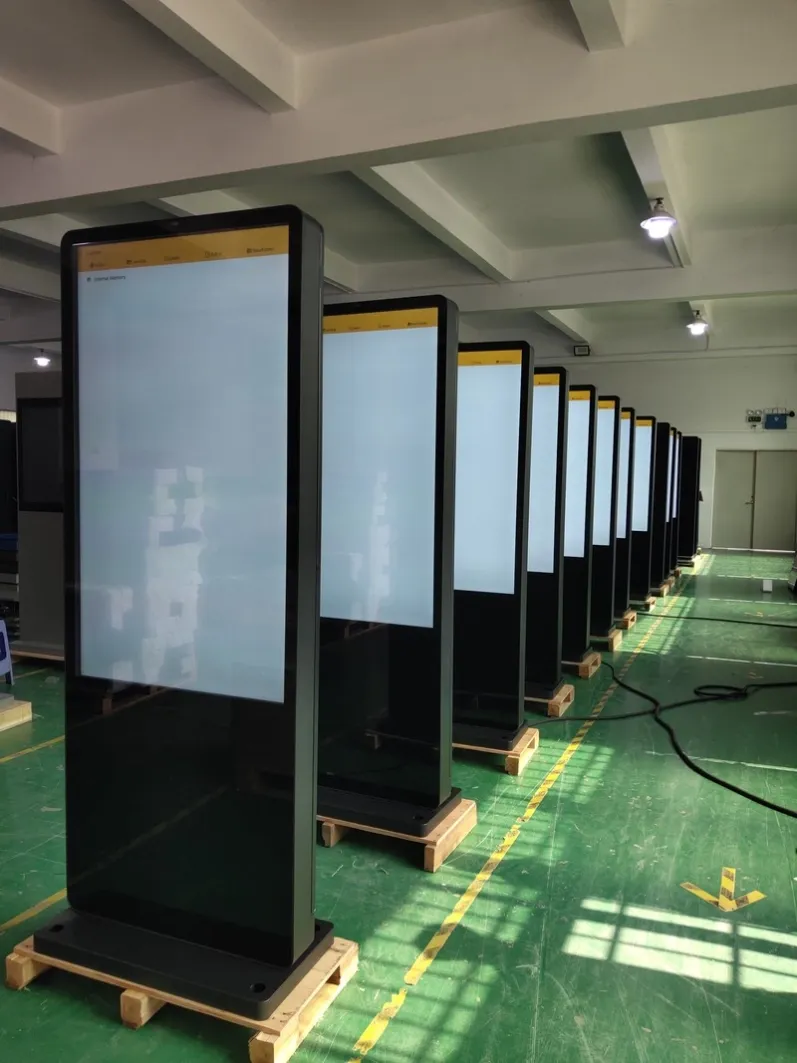
Freestanding kiosks require reinforced base plates and robust wind-load resistance;
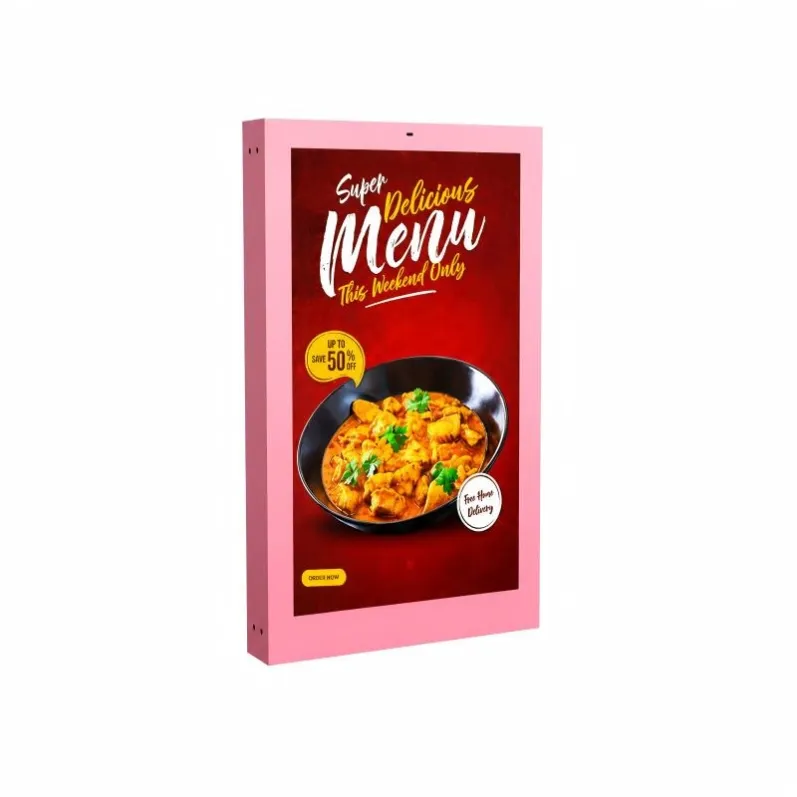
Wall-mounted units require certified wall load-bearing capacity and heavy-duty brackets;
Large-scale projects require pre-engineered reinforced concrete foundations.
A structurally rigid design guarantees public safety and prevents structural damage during high winds or severe weather.
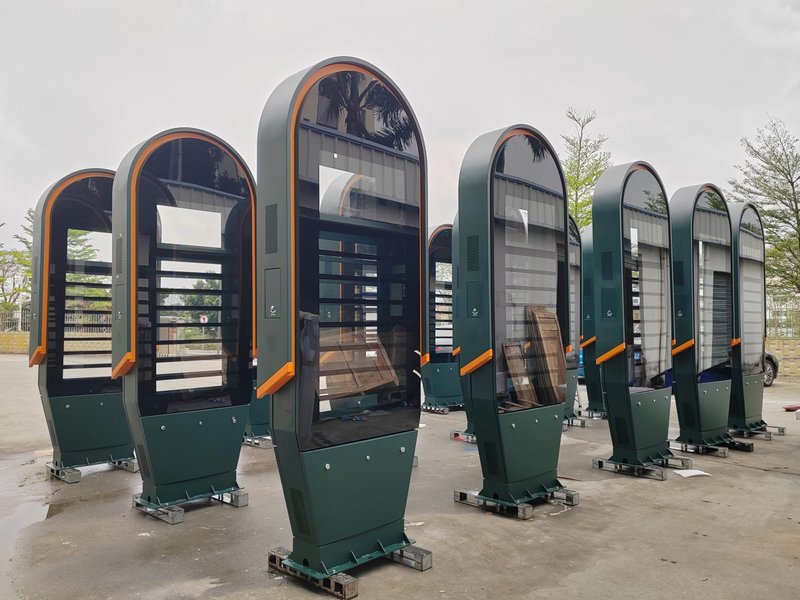
Convenient Field Maintenance and Accessibility
Outdoor kiosks represent long-term commercial assets, making maintainability a crucial consideration.
The mechanical chassis design should incorporate accessible service doors, modular component layouts, and organized cable management to simplify routine inspections and component swaps.
Simultaneously, remote monitoring capabilities enable administrators to detect playback anomalies, network drops, or thermal warnings without requiring immediate on-site dispatch.
How to Select the Right Outdoor Advertising Kiosk
When selecting an outdoor advertising kiosk, decision-makers must look beyond screen size and exterior styling.
A comprehensive evaluation must consider optical clarity, ingress protection, thermal management, structural mounting, and serviceability tailored to the specific deployment site.
An exceptional outdoor advertising kiosk not only commands viewer attention with vibrant visuals, but also maintains rock-solid, all-weather performance over years of continuous outdoor service.
FAQ
Q1: What are the primary differences between outdoor and indoor advertising kiosks?
Outdoor kiosks are specifically engineered for exterior environments, featuring substantially higher brightness (sunlight readable), rugged waterproof/dustproof enclosures (IP55/IP65), active cooling systems, and reinforced wind-resistant structures.
Q2: What media formats can an outdoor advertising kiosk support?
They support high-definition video, still imagery, scrolling text tickers, dynamic web pages, interactive HTML5 apps, brand commercials, and live public information feeds.
Q3: Does an outdoor advertising kiosk need to operate 24/7?
Operating schedules can be customized via software timers according to project needs. For continuous 24/7 commercial deployments, industrial-grade components designed for non-stop operation must be selected.
Q4: What are the most critical factors to consider when choosing an outdoor kiosk?
Priority should be given to display sunlight readability, enclosure IP rating, cooling system efficiency, structural safety, and maintenance accessibility. In conclusion, selecting a professional Outdoor Digital Advertising Kiosk Benefits guarantees long-term operational stability, superior sunlight readability, and maximum commercial impact.
Looking for customized Outdoor Digital Advertising Kiosk Benefits solutions, high-brightness outdoor digital signage kiosks, or weatherproof commercial displays? Feel free to contact the ZXTLCD engineering team for detailed technical specifications, mounting drawings, and volume pricing.