Aug 28, 2026Material Notes
Remote Digital Signage Monitoring: Which Alerts Actually Prevent Downtime
Build useful remote monitoring around power, temperature, playback, network and alert ownership instead of collecting noisy data.
Remote Digital Signage Monitoring: Which Alerts Actually Prevent Downtime
The value of remote monitoring is not more charts. It is actionable information reaching the responsible person before an issue affects the site. An online player does not prove that content is moving, and a powered panel may be dimming because of temperature. Monitoring should cover power, temperature, playback, network and critical components, with a named response owner for each alert. The remote digital signage monitoring plan should define a measurable starting condition.
Layer One: Confirm Real Operation
Combine online state with heartbeat time, power state, player process, current content and screen output. A network response alone can hide a black screen, freeze or error page. Where practical, use display feedback, playback captures or content verification so online status reflects the visible result more closely.
Verify recovery inside the same event after response; disappearance of a notification alone does not prove the root cause is corrected. Complete an actionable result for layer one: confirm real operation before changing several other conditions at once.
Layer Two: Track Thermal Change
Temperature monitoring should retain trends, peaks and duration rather than alert only after one threshold. A weekly rise under similar weather can indicate filter loading or fan decline. Combine fan, cooling, door and sensor status to distinguish ambient heat, thermal failure and a faulty reading.
Verify recovery inside the same event after response; disappearance of a notification alone does not prove the root cause is corrected. Complete an actionable result for layer two: track thermal change before changing several other conditions at once.
Alerts Need Severity and Delay Rules
A brief network fluctuation, persistent outage, elevated temperature and protective shutdown have different impact. Use advisory, warning and critical levels with suitable delay and escalation. Base thresholds on normal equipment behavior and site needs so excessive noise does not train people to ignore alerts and loose limits do not miss early signals.
Verify recovery inside the same event after response; disappearance of a notification alone does not prove the root cause is corrected. Complete an actionable result for alerts need severity and delay rules before changing several other conditions at once.
Alerts Must Include Response Context
A useful alert includes the unit, location, time, current value, duration, recent change and suggested inspection direction. A generic equipment error forces staff to search several systems for context. Repeated alerts should show prior actions so the team can judge whether the same root cause is returning.
Verify recovery inside the same event after response; disappearance of a notification alone does not prove the root cause is corrected. Complete an actionable result for alerts must include response context before changing several other conditions at once. The remote digital signage monitoring review should retain evidence for later comparison.
Remote Monitoring Does Not Replace Site Inspection
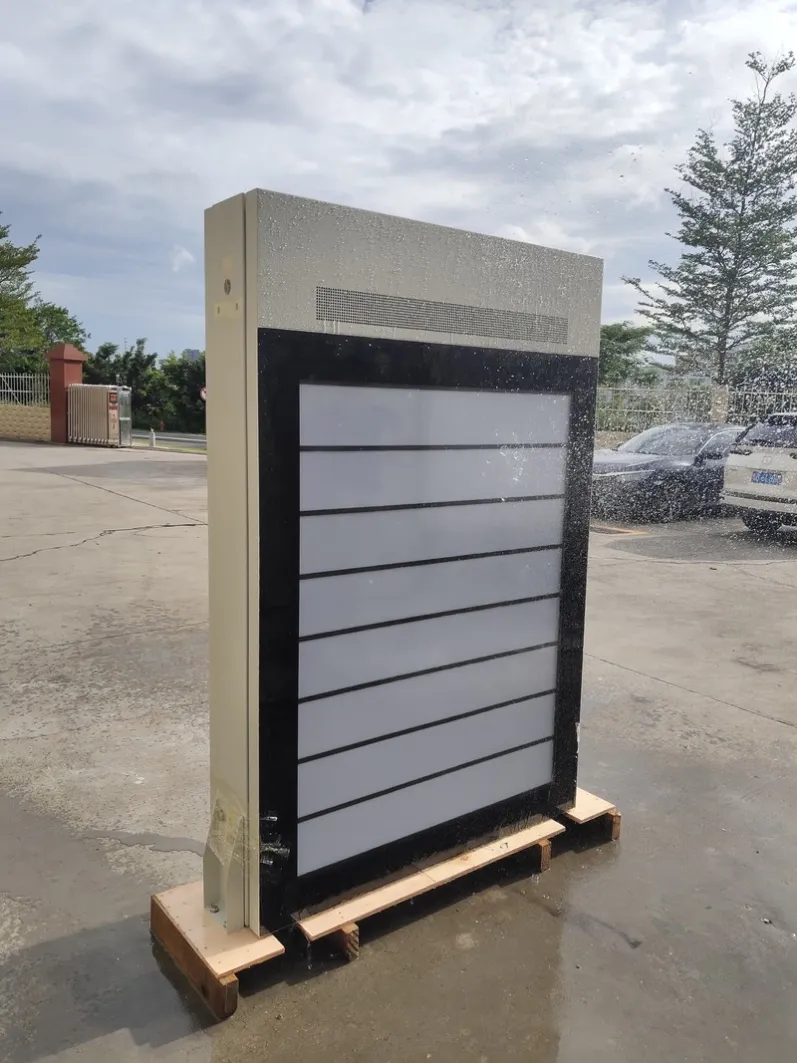
Cameras, sensors and logs cannot fully identify dirty glass, loose foundations, aged seals, standing water or cable wear. Monitoring helps prioritize visits, shorten discovery time and verify recovery. Combine remote data with periodic site photographs, cleaning and mechanical inspection.
Verify recovery inside the same event after response; disappearance of a notification alone does not prove the root cause is corrected. Complete an actionable result for remote monitoring does not replace site inspection before changing several other conditions at once.
Turn the Review into an Operating Plan
Define alert recipients, coverage hours, escalation paths and closure criteria. After service, record the cause, action and verification in the same event; repeated alerts should move into root-cause analysis. Remote digital signage monitoring reduces downtime only when data triggers clear action and connects to verified site maintenance.
Before launch, simulate network loss, elevated temperature, player stoppage, expired content and restart. Confirm that alerts appear with suitable delay, reach the correct person and include the needed context. Test recovery so resolved issues do not remain open indefinitely. For a fleet, prioritize by site importance and fault impact instead of displaying every notification equally. The dashboard should foreground equipment that needs action while retaining raw data for technical analysis.
Manage remote permissions as carefully as alerts. Accounts able to restart, change brightness, publish content or modify network settings need role-based access and an action history. Shared passwords and unmanaged access increase operational and security risk. Review recent remote actions during diagnosis, remove temporary permission afterward and verify restored configuration.
Set a retention period for monitoring data and protect location, network and action history. Reports should expose only necessary information to authorized roles. With integrity and access control, historical trends can safely support maintenance decisions. The remote digital signage monitoring result should be verified before the task is closed.
Before confirming this remote digital signage monitoring project, document site photographs, orientation, operating hours, local power, viewing distance and maintenance access. Keep the same information with later inspection results so the original assumptions can be reviewed when conditions change.