Aug 28, 2026Material Notes
A Seasonal Maintenance Calendar for an Outdoor Digital Display
Plan spring, summer, autumn and winter inspections for an outdoor digital display without relying on one fixed maintenance interval.
A Seasonal Maintenance Calendar for an Outdoor Digital Display
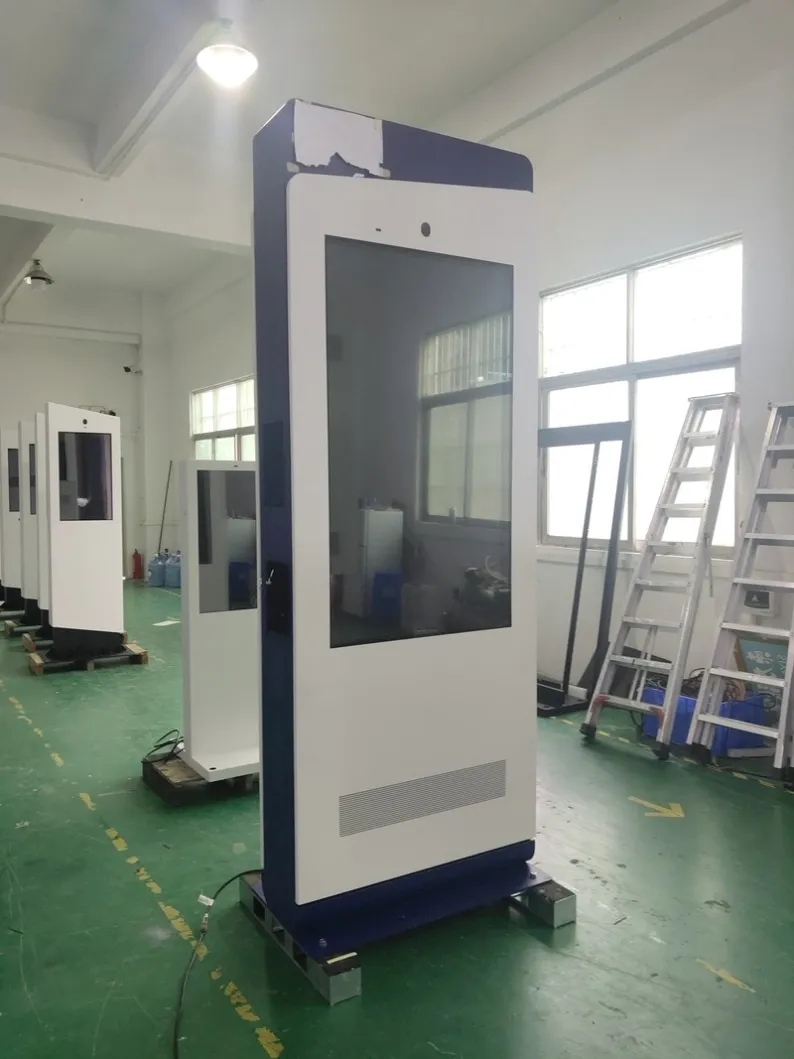
The dominant risk around an outdoor digital display changes throughout the year. Spring can bring persistent rain and rising humidity, summer adds solar load and heat, autumn can block airflow with dust and leaves, and winter introduces low temperature, ice and repeated temperature cycling. A single instruction to clean every three months cannot represent these changes. A seasonal calendar should be combined with extra inspection after extreme weather. The outdoor digital display plan should define a measurable starting condition.
Spring: Start with Water Paths and Seals
Inspect glass edges, service doors, locks, roof joints and cable entries for moisture. Confirm that winter temperature cycling has not hardened, displaced or deformed gaskets. Review drainage around the base because settlement, irrigation and roof runoff can turn a previously safe location into a collection point. If condensation or moisture appears inside, isolate power and diagnose the source before energizing the equipment.
After each seasonal task, record date, weather, abnormal findings and action, carrying open items into the next review. Complete an actionable result for spring: start with water paths and seals before changing several other conditions at once.
Summer: Verify Cooling During the Hottest Period
Do not evaluate summer cooling only in the morning. Observe airflow, fan sound, filter loading, internal temperature and brightness during the strongest sunlight or highest ambient temperature. Repeated dimming or restarting calls for thermal-path inspection, not a casual increase in fan speed or removal of temperature protection. Reassess solar load whenever nearby shading or construction changes.
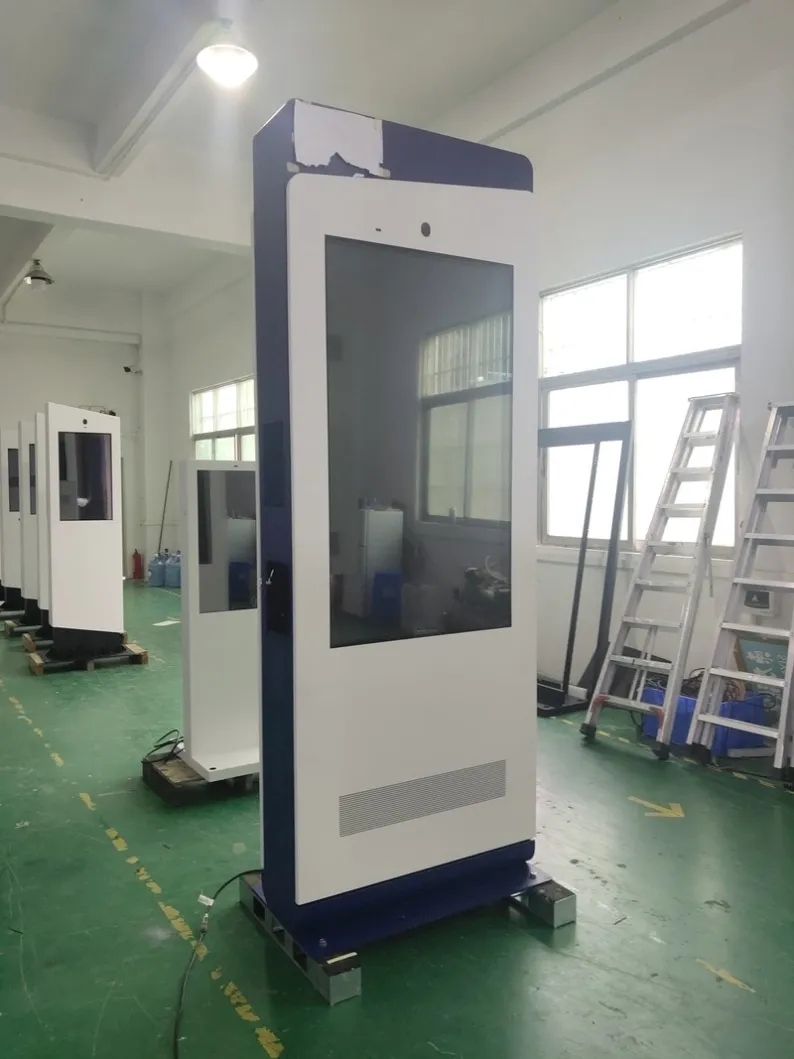
After each seasonal task, record date, weather, abnormal findings and action, carrying open items into the next review. Complete an actionable result for summer: verify cooling during the hottest period before changing several other conditions at once.
Follow-Up After Heat Is More Valuable Than One Cleaning
Cleaning can improve airflow, but it does not prove stability through a prolonged hot period. Retain temperature trends and alarm history after service, confirming that fans, air conditioning or other thermal components remain effective for a complete operating cycle. Long-hour equipment should also be observed through night cooling and the following daytime rise.
After each seasonal task, record date, weather, abnormal findings and action, carrying open items into the next review. Complete an actionable result for follow-up after heat is more valuable than one cleaning before changing several other conditions at once.
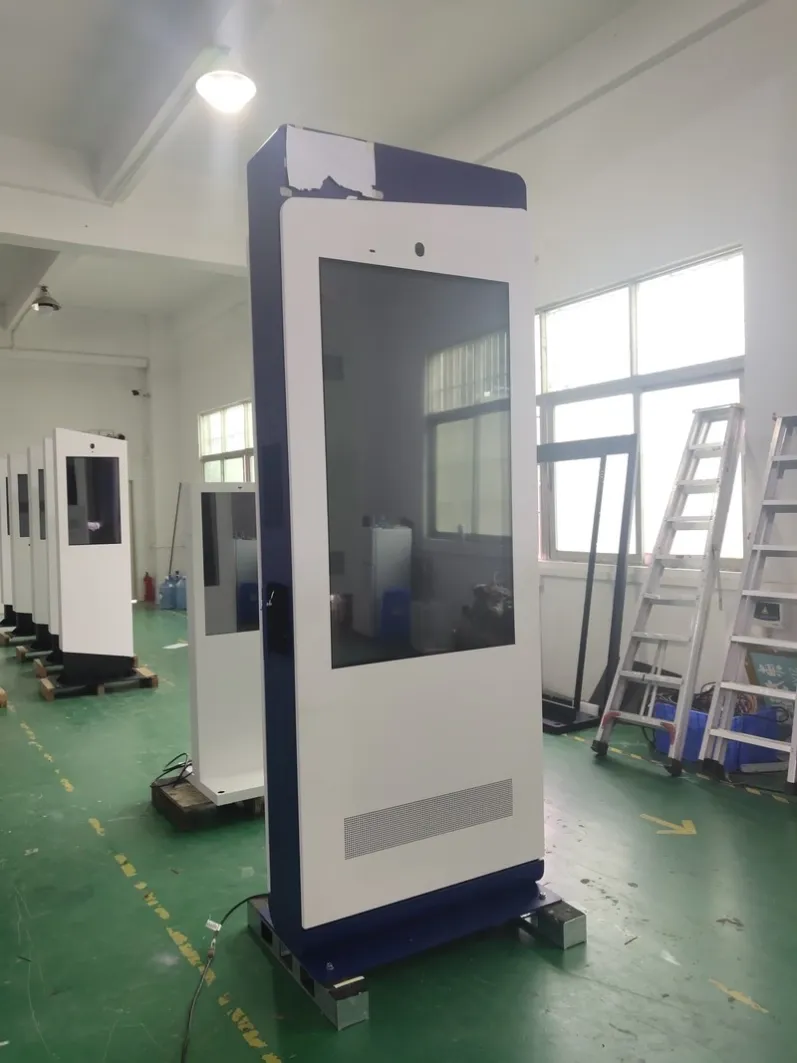
Autumn: Stop Leaves, Dust and Pests from Changing Airflow
Inspect inlets, outlets, lower gaps and nearby planting. Leaves and debris can collect on grilles, while pests may use an unfinished cable opening or damaged seal. Cleaning must not force contamination deeper into the cabinet. Reinstall filters, pressure strips and fasteners in their original positions and confirm even door-lock pressure.
After each seasonal task, record date, weather, abnormal findings and action, carrying open items into the next review. Complete an actionable result for autumn: stop leaves, dust and pests from changing airflow before changing several other conditions at once. The outdoor digital display review should retain evidence for later comparison.
Winter: Review Cold Start, Ice and Thermal Movement
Confirm that the configuration matches the local minimum temperature and observe cold start time, image response, fan condition and any heating components. Snow, ice and meltwater must not block airflow or drainage. Freeze-thaw cycles affect seals, fasteners and joints, so inspect door closure, base movement and surrounding cracks after a cold event.
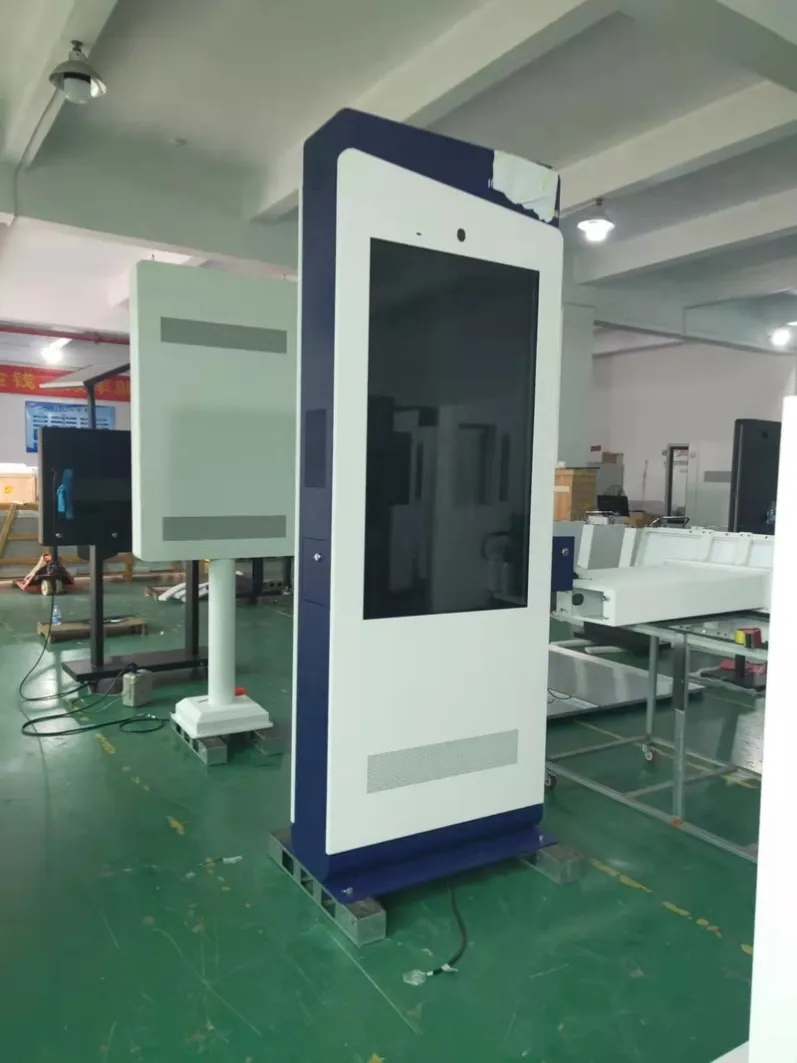
After each seasonal task, record date, weather, abnormal findings and action, carrying open items into the next review. Complete an actionable result for winter: review cold start, ice and thermal movement before changing several other conditions at once.
Turn the Review into an Operating Plan
A seasonal plan should not repeat the same task every quarter. Put the local rainy season, hottest period, leaf fall, cold events and busy operating periods into the annual calendar, then add trigger-based checks after storms, power loss, construction or temperature alarms. This reduces unnecessary cabinet access while directing attention to the periods of greatest risk.
The annual calendar should also identify likely tools and parts. Prepare sealing and cable-entry materials before the rainy season, filter and fan checks before summer, and cold-start or heating verification before winter. Preparation does not mean replacing parts blindly; it prevents an avoidable delay after a defect is found. Where several units are installed, rank locations by exposure, giving earlier attention to west-facing, roadside, low-lying or high-traffic sites. Update the calendar after every seasonal cycle so it becomes closer to real risk each year.
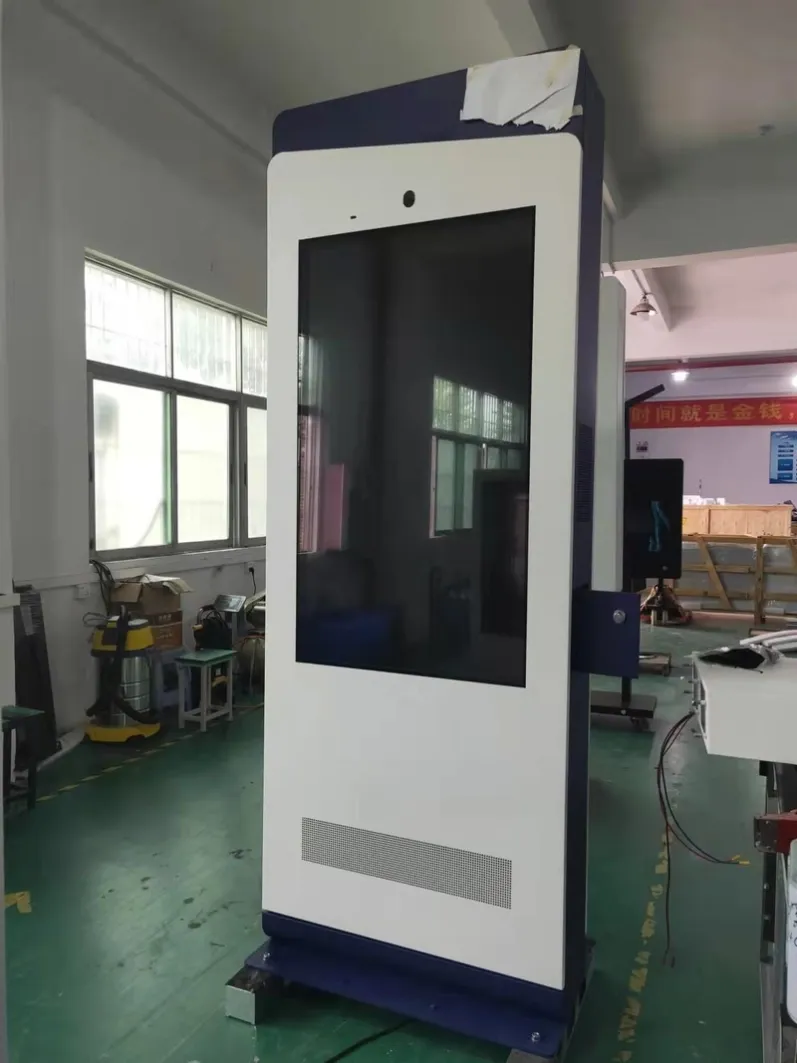
Give every unit a stable identifier and repeat photographs from the same angles across the year, including the image, cabinet sides, locks, cable entries and base. After maintenance, run representative content and verify image, network and audio behavior. Open items need an owner and due date; continued playback is not a reason to ignore deteriorating seals, cooling or structure.
Do not copy one city’s seasonal dates directly to another. Rainfall, temperature range, dust, coastal exposure and solar direction change the calendar. Keep common inspection items where useful, but let the site determine timing and frequency. The outdoor digital display result should be verified before the task is closed.
Before confirming this outdoor digital display project, document site photographs, orientation, operating hours, local power, viewing distance and maintenance access. Keep the same information with later inspection results so the original assumptions can be reviewed when conditions change.