Sep 1, 2026Material Notes
Why Ultra-Thin Outdoor Digital Signage Needs Better Cooling
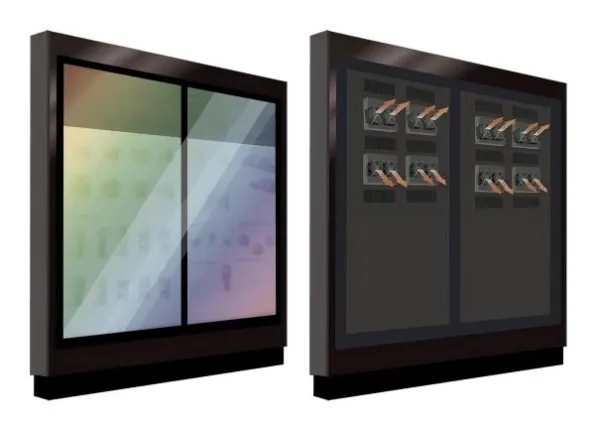
Thinner enclosures increase thermal density, making airflow, component layout and maintenance access more important.
Why Ultra-Thin Outdoor Digital Signage Needs Better Cooling
Why Ultra-Thin Outdoor Digital Signage Is Becoming More Demanding
Walking in shopping malls, subways, scenic spots or on the roadside in the past few years, you will notice an obvious change. Outdoor advertising screens are becoming thinner and lighter, bus shelter screens are closer to the wall, the appearance of digital signage is becoming more and more "minimalist", and device borders are getting narrower. From a visual point of view, this is an obvious "upgrade".
More modern, more advanced, more technological. But in actual operation, the opposite phenomenon is also occurring: equipment failures are more frequent than before. Ultra-thin outdoor digital signage places more heat-producing components into a smaller internal volume.
A confusing question: Why is it that the more advanced you are, the more likely it is to have problems?
The first reaction of many people is usually. Has the screen quality deteriorated? Is the manufacturer cutting corners? Is the power supply unstable?. But maintenance personnel often have different experiences: Airflow design becomes critical as ultra-thin outdoor digital signage uses a shallower cabinet.
Within the same batch of devices, "thinner models" are often more prone to problems. This brings up a natural question: Why are "more advanced designs" more likely to break?
How Ultra-Thin Outdoor Digital Signage Changes Internal Airflow
We can use a more understandable example. Mobile phones have become thinner, but they generate heat more easily. Laptops have become lighter, but they rely more on fans. TVs have become thinner, but have less space for heat dissipation. The reason is actually very simple: becoming smaller does not reduce heat, but only compresses the space for heat dissipation.
Digital signage has the same logic, but it’s more “extreme”. The problems of outdoor digital signage is more complex than those of consumer electronics. Because it is doing three things at the same time:
Higher brightness (brighter = more heat), longer operation (7×24 hours), harsher environment (high temperature + exposure + airtight). At the same time, the structure is changing. Devices become thinner, internal space becomes smaller, heat dissipation paths become shorter and more crowded
Airflow Constraints Inside Ultra-Thin Outdoor Digital Signage
Many people think that heat dissipation is "a question of how much heat there is.". But in engineering, the more critical thing is. The heat energy cannot be discharged smoothly. When a device becomes thinner, three things happen:
① The air channel narrows
There is not enough room for the hot air to move.
② Heat accumulates more easily
The interior is like a "stifled box".
③ Heat exchange efficiency decreases
The heat cannot escape and can only circulate inside. An easily overlooked fact: equipment has not become "cooler", but has become "more hot and concentrated". Many people mistakenly believe that: new equipment = more energy-saving = lower temperature. But the reality is: the screen is brighter, the power is higher, and the integration is higher. The result is: the heat source is more concentrated, but the heat dissipation conditions are worse.
Where the problems really start to arise: The cooling system is not upgraded at the same time
Here is the most critical turning point. When upgrading the appearance of many devices. It has become thinner, lighter and more beautiful, but the internal heat dissipation method has not undergone the same changes. In other words: the appearance has been upgraded, but the "thermal management method" has not.
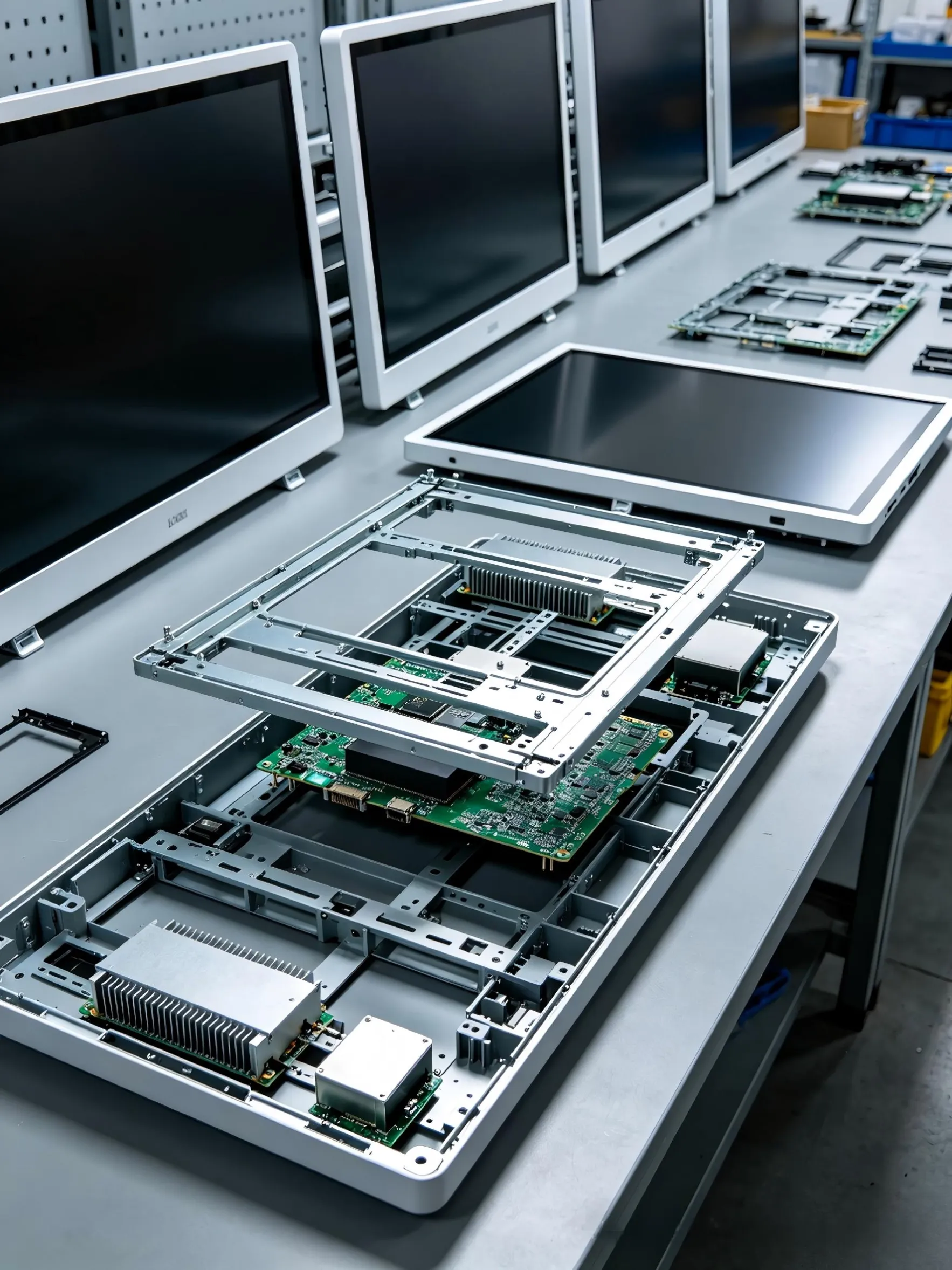
What happens when the heat dissipation capacity cannot keep up?
You may not see the problem at first. The screen can still light up, the system can still run, and content can still be played. But as the temperature gradually accumulates, there will be:
The screen darkens, the system freezes, automatically restarts, the performance decreases, and eventually the screen goes black or shuts down.
Why are these issues so often misdiagnosed?
Because it's less like "hardware damage" and more like "random failure". It's normal today, black screen tomorrow, and then restored after restarting. But the essence is: long-term high temperature operation causes the system to enter a protection state.
The real problem is not "thinning", but "thermal management is compressed"
When outdoor digital signage comes in. Thinness and lightness High brightness 7×24 operation Outdoor high temperature environment After that, one fact becomes very important: the device structure can become thinner, but the heat will not decrease.
One final word of conclusion: Outdoor digital signage is becoming thinner and thinner, which is not essentially reducing the difficulty, but increasing the requirements for the heat dissipation system.